

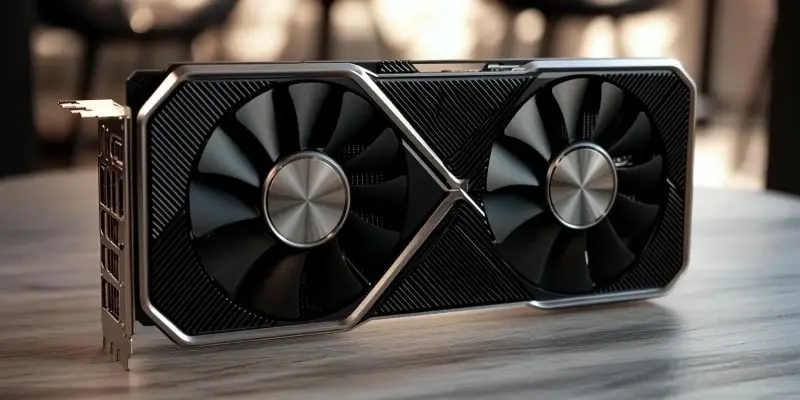
Introducing the latest marvel in the world of graphics processing units, GALAX has officially unveiled its high-end GeForce RTX 5080 HOF (Hall of Fame) GPU series. Known for its exceptional overclocking abilities and robust power delivery, this series is designed to set new benchmarks in the graphics card domain. With GALAX’s commitment to pushing the boundaries of performance, it raises the question: “Is this the ultimate overclocking GPU?” Let’s delve deeper into what makes these GPUs stand out and examine whether they truly live up to this lofty claim.
Groundbreaking Overclocking Capabilities
The new RTX 5080 HOF series from GALAX includes two distinct variants: the RTX 5080 HOF OC LAB Plus and the RTX 5080 HOF OC LAB Plus X. Both variants are engineered to achieve phenomenal performance levels, boasting boost clocks reaching up to 2730 MHz. One of the most critical elements of any overclocking GPU is its power phase configuration, and GALAX leaves no stone unturned in this aspect. The HOF series features an impressive configuration of 14+6+6, equating to a total of 26 power phases. This setup, combined with the 70A DrMOS, ensures that the GPUs deliver high stability and unparalleled power efficiency, crucial for maintaining performance under demanding conditions.
Designed for extreme overclocking, the HOF editions are highly favored by enthusiasts and professionals aiming to set world records. The superior VRM (Voltage Regulator Module) and clock speeds compare favorably even against other high-end models like MSI’s RTX 5080 Vanguard, which features 19 power phases. The additional power phases in GALAX’s offerings provide a substantial edge in performance, making these models highly coveted items among overclocking aficionados. Whether for gaming or high-intensity computational tasks, the GALAX RTX 5080 HOF series promises to deliver exceptional results.
Aesthetic and Functional Design
Beyond the raw power and capabilities, the design and aesthetic features of the GALAX RTX 5080 HOF series make it a noteworthy addition to any build. Both versions maintain a 360W TGP (Total Graphics Power), with peaks reaching 400W under default settings. However, these numbers can be exceeded through manual overclocking, thanks to their advanced thermal management and power delivery systems. The GPUs utilize a single 12V-2×6 power connector, consistent with previous high-end models such as the RTX 4080 HOF, ensuring seamless integration into existing setups.
Aesthetically, the GPUs are crafted with a striking white shroud, highlighted by RGB lighting that can be customized to match any gaming rig’s theme. Cooling is another area where the HOF series shines, featuring two 102mm and one 92mm Frost Ring fans. These are engineered to provide optimal airflow, ensuring the GPU remains cool even under the most strenuous tasks. An additional feature is the Error Detection LED system, which provides real-time feedback on the GPU’s status, adding another layer of reliability and ease of use for the user. All these design choices reflect GALAX’s commitment to delivering both performance and style.
Market Presence and Future Prospects
The GeForce RTX 5080 HOF series aims to redefine expectations in gaming and professional graphics work. Equipped with advanced cooling solutions and built with premium components, these GPUs are engineered for those who demand the highest levels of performance. The GPUs feature cutting-edge technologies that enhance graphical processing power, ensuring smoother, faster, and more stunning visuals.
In addition to its technical prowess, GALAX provides enthusiasts with the tools and software needed to fine-tune and optimize their systems. Let’s explore the distinct features that set these GPUs apart and determine if they truly meet the lofty claims of being the pinnacle of overclocking technology.