
Is Finland the Next Hub for Hyperscale Data Centers?

Article Highlights
Off On

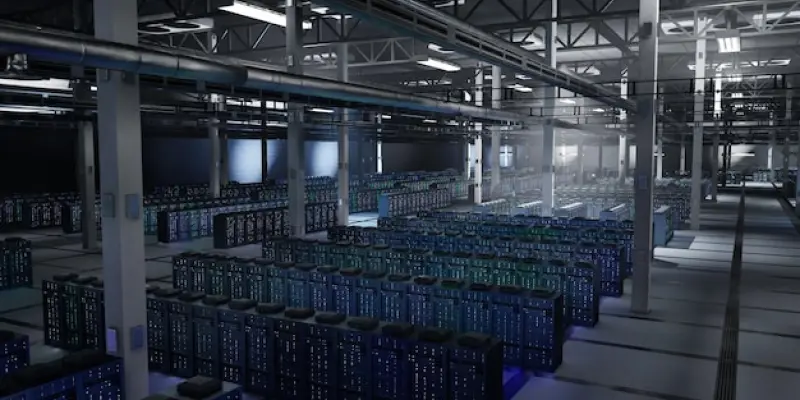
In a bold move that could redefine the digital infrastructure landscape in Northern Europe, APL Group has launched plans to develop a hyperscale data center campus in Varkaus, Finland. This ambitious initiative marks a significant milestone for APL as it ventures into the Nordic market, aiming to establish a foothold in a region renowned for its technological readiness and sustainability. The proposed facility will have a capacity of up to 100MW, with the first phase providing 60MW and the option for an additional 40MW. This endeavor is a strategic collaboration with local firm Scale42, with plans for construction to begin in 2026, and the inaugural phase anticipated to be operational by 2027. Founded in 1994, APL has traditionally focused on real estate, digital infrastructure, renewable energy, and private equity. Their entry into the Nordic data center market follows earlier successes in Japan and highlights the area’s potential as a future digital hub.

A New Era for Finland’s Digital Economy

The selection of Varkaus for the new data center is strategically favorable due to its ample energy resources, digital preparedness, and commitment to sustainability. Mayor Joonas Hänninen has enthusiastically endorsed the project, highlighting its capacity to fuel economic growth and boost the city’s appeal for future technology investments. This initiative is part of a larger regional strategy to foster environments conducive to tech developments, aligning with socio-economic goals locally and nationally. Finland, by hosting such transformative projects, is cementing its role in the European digital economy. The investment highlights the area’s critical strategic importance in the global expansion of digital infrastructure. As APL Group progresses with this initiative, Finland’s potential as a major hub for hyperscale data centers grows. Emphasizing sustainable and innovative solutions could significantly shape the future global digital landscape.

Explore more

Trend Analysis: AI Infrastructure Security Vulnerabilities

The unprecedented speed of the current global transition toward autonomous systems has left a trail of structural oversights that now threaten to undermine the very intelligence we seek to deploy. As organizations rush to integrate Large Language Models into every facet of business, a critical oversight in underlying web frameworks is exposing advanced AI systems to simple yet devastating exploits.

BTMOB Android Malware Enables Full Remote Device Hijacking

Dominic Jainy is a distinguished IT professional with deep-rooted expertise in artificial intelligence, machine learning, and blockchain technology. Throughout his career, he has focused on how these transformative technologies intersect with cybersecurity, often exploring how automated systems can both protect and threaten modern digital infrastructure. Today, he shares his insights into the rise of BTMOB, a sophisticated Android remote access

Equinix Opens Sustainable AI-Ready Data Center in Madrid

Introduction Madrid has rapidly transformed into the cornerstone of Southern European digital infrastructure, driven by a massive surge in connectivity demands and a strategic pivot toward advanced artificial intelligence capabilities. The inauguration of the MD5 facility marks a pivotal moment for the regional economy, as this new data center serves as the centerpiece of a substantial 460 million euro investment.

Trend Analysis: Meme Coin Utility Platforms

The search for the best crypto to invest in just got a fresh signal after Trump announced a peace agreement with Iran that includes reopening the Strait of Hormuz, and Bitcoin jumped from $74,300 to above $76,000 within hours. While legacy assets typically dominate the headlines, a quiet revolution is currently transforming meme coins from speculative jokes into sophisticated utility-driven

How Is DeFi Hash Shaping the Future of AI Infrastructure?

Introduction: The Shift Toward Intelligent Systems The convergence of decentralized financial protocols and sophisticated artificial intelligence infrastructure has fundamentally redefined how value is generated within the global digital economy. As traditional cryptocurrency markets face increasing saturation and volatility, a significant transition is occurring where participants prioritize platforms that offer tangible technological utility over speculative assets. This evolution marks a departure