

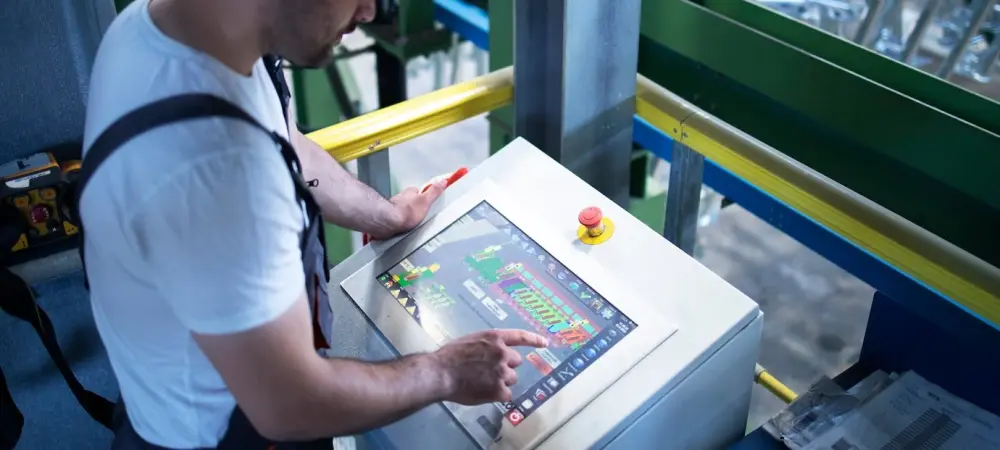
In the modern manufacturing landscape, businesses face unprecedented challenges amidst a rapidly changing environment. Traditional warehousing systems struggle to keep pace with the demands for efficiency, real-time processing, and seamless integration with production activities. Microsoft Dynamics 365 has emerged as a pivotal tool in addressing these challenges by offering advanced warehousing features that are redefining the future of manufacturing operations. The platform is designed to streamline processes, reduce operational inefficiencies, and enhance visibility, offering a competitive edge crucial for success. As companies seek solutions that cater to varied manufacturing needs—be it discrete, process, or lean models—Dynamics 365 promises capabilities that integrate warehousing operations with the broader manufacturing ecosystem, ensuring that stakeholders reap the benefits of a more connected and responsive setup.
Flexibility and Integration in Dynamics 365’s Architecture
Dynamics 365 is designed with flexibility at its core, aiming to provide a tailored solution for varying manufacturing processes, whether they operate on discrete, process-based, or lean manufacturing models. The platform integrates advanced warehousing options, allowing businesses to scale from basic setups for simpler operations to more comprehensive systems with real-time capabilities. This flexibility is especially vital for managing manufacturing and warehouse activities cohesively, bridging the gap between separate management systems. Recent enhancements include a robust Manufacturing Execution System (MES) framework that capitalizes on cloud-based infrastructure, enabling precise real-time synchronization between shop floors and warehouse functions. This integration facilitates smooth operations, reduces latency in feedback loops, and promotes effective coordination across different teams within the organization. One of the standout features of Dynamics 365 is its ability to offer real-time control and adaptability. This is imperative in today’s fast-paced environments, where changes need to be implemented almost instantaneously to avoid disruptions. The MES framework plays a critical role here by providing enhanced control, allowing manufacturers to adjust operations dynamically as required. Such tight integration not only minimizes potential production downtime but also ensures that production schedules are adhered to without unforeseen hiccups. For businesses seeking to enhance operational outcomes, the combination of flexibility and real-time integration presents a formidable solution to challenges that modern manufacturers face.
Streamlining Operations with Advanced Features
The advanced warehousing features of Dynamics 365 cater to the intricate needs of modern manufacturing operations, bringing with them a slew of optimizations aimed at improving efficiency. One significant enhancement is the ability to define input and output locations for each resource, whether it’s a machine or a workstation. This facilitates improved material flow, making it easier for stakeholders to track raw material consumption and finished goods production. The user experience has been significantly refined, with simplified setup processes and guided instructions that ensure seamless configuration at the outset, thereby minimizing reliance on recalls or external documentation. Work policies represent another critical component of Dynamics 365’s warehousing innovations. They provide fine-grained control over how items are managed post-production, substantially reducing unnecessary handling and transportation activities. Such policies can be finely configured based on particular items, warehouse zones, or specific production needs. Enhanced mobile application capabilities further augment this by giving warehouse workers precise, step-by-step guidance for each operation, thereby reducing errors and increasing process velocity. This transformation significantly enhances worker productivity, aligning the flow of materials more closely with production processes and objectives.
Intelligent Replenishment and Cross-Docking Capabilities
Optimizing the flow of materials within warehouses is vital to maintaining uninterrupted production processes, and Dynamics 365 excels here by introducing intelligent replenishment tactics. Its automated min/max replenishment logic ensures that materials are continuously in supply as needed, precluding delays that arise from material shortages. Replenishment settings are fine-tuned with Planning Optimization, replacing traditional Material Requirements Planning (MRP) methods. This provides faster, more efficient responses to fluctuating production demands, allowing manufacturers to remain agile and responsive without compromising productivity. Cross-docking presents another innovative feature that routes inbound materials directly to production lines or dispatch areas, bypassing storage. This process accelerates the completion of urgent orders while minimizing storage costs. Key improvements include barcode scanning enhancements that streamline cross-docking processes. These upgrades reduce manual input requirements and provide real-time updates for efficient resource localization. As materials arrive, the system efficiently reallocates them to requisite areas, optimizing the use of resources and reducing idle time—a transformative step for dynamic manufacturing environments.
Enhanced Implementation and Insights
The initial phase of implementing advanced warehousing features can be daunting, yet Dynamics 365 ameliorates this with a range of out-of-the-box templates and guided setup tools. These pre-designed tools help businesses align their configuration with best practices, significantly reducing the likelihood of setup errors and expediting the go-live timeline. Whether a company chooses to work with partners or handles the setup autonomously, these user-friendly tools facilitate the transition without incurring unnecessary stress or downtime. On the analytics front, Dynamics 365’s integration with Power BI and AI brings a profound transformation by delivering real-time insights and actionable intelligence. Built-in dashboards showcase critical warehouse metrics, offering a comprehensive view of operations as they unfold. The AI-driven component further amplifies decision-making capabilities by highlighting underlying trends, pinpointing inefficiencies, and guiding strategic planning. For instance, the system might identify over-exploited pick locations, suggesting an optimized layout that promotes efficient circulation. This data-driven approach empowers manufacturers to engage in continuous improvement, fostering relentless efficiency and productivity gains over time.
Towards an Evolved Manufacturing Landscape
Dynamics 365 is crafted to offer flexibility, providing custom solutions for diverse manufacturing processes, be they discrete, process-oriented, or lean. This platform merges advanced warehousing capabilities, letting businesses expand from basic configurations to intricate systems with real-time features. Such adaptability is crucial for holistic management of manufacturing and warehousing activities, effectively connecting disparate systems. Recent updates feature a robust Manufacturing Execution System (MES) built on a cloud infrastructure, facilitating precise real-time synchronization between shop floors and warehouses. This integration ensures seamless operations, reduces feedback latency, and enhances team coordination across the organization. A highlight of Dynamics 365 is its real-time control and adaptability, crucial in the fast-paced world where changes must happen instantly to prevent disruptions. The MES framework is pivotal in offering improved control, allowing manufacturers to tweak operations as needed. This integration cuts potential downtime and ensures production schedules are met. For businesses aiming to improve operations, the fusion of flexibility with real-time capabilities is a strong answer to challenges faced by modern manufacturers.