

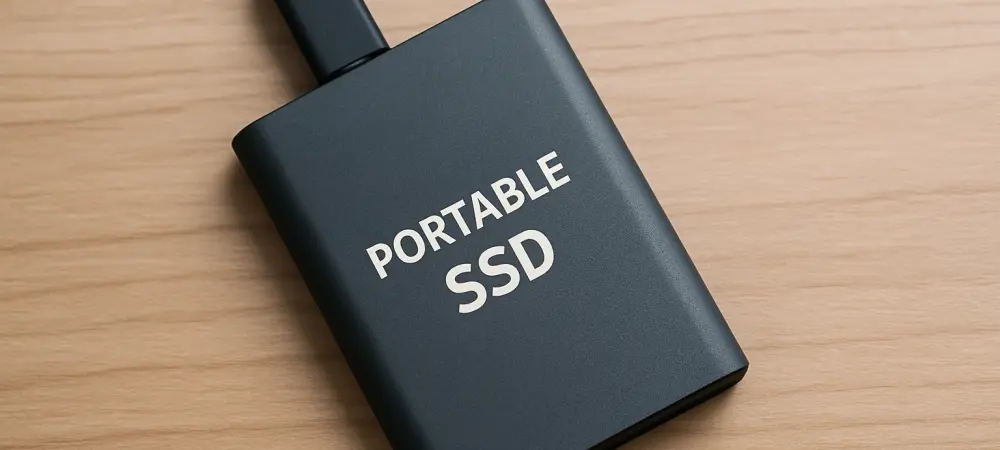
Struggling with slow storage and limited capacity on the go? In an age where digital content is proliferating at breakneck speed and large files are becoming the norm, having a fast and ample storage solution is indispensable. Whether it is the seamless transfer of high-resolution graphics, a robust backup during remote work, or managing extensive video libraries, the demand for reliable, portable storage is greater than ever.
The Digital Demands for Portable Storage
The sudden rise in digital media creation, alongside increasing trends in remote work, has amplified the need for substantial and efficient portable storage solutions. High-definition videos and intricate design projects demand substantial space and rapid access speeds. Simultaneously, remote professionals and creators find themselves needing to manage vast data volumes on the go, necessitating portable drives with both solid capacity and high-speed data transfer capabilities. As a result, the market for such devices is expanding rapidly, catering to the tech-savvy user’s insatiable appetite for speed and capacity.
Unveiling the Crucial X10
Enter the Crucial X10, a portable storage marvel that promises to transform the way data is managed and stored. Boasting an impressive 8TB capacity and driven by the swift USB 3.2 Gen 2 interface, the X10 is engineered for speed with read rates hitting up to 2100MB/s. This external solid-state drive (SSD) stands out not only for its storage space but also for its compatibility with a broad range of platforms—from PCs to consoles. Unlike its predecessors, such as the Crucial X9, the X10 delivers unmatched performance, proving ideal for professionals and creators requiring high-speed storage solutions.
Alongside its technical merits, the X10 is equipped for durability and convenience. It supports versatility through USB-C connectivity and features robust construction with an IP65 rating, signifying its resistance to dust and water. This durability is enhanced by its shock resistance, making it viable for rugged scenarios where conventional storage might falter.
Expert Endorsements and Real-World Application
Feedback from industry experts and satisfied users further underscores the capacity of the Crucial X10 to enhance productivity. Professional filmmakers and photographers commend the SSD for its role in streamlining workflow by storing and transferring large files seamlessly. It has also been praised across sectors, from broadcasting operations to graphic design houses, where quick access to extensive libraries of data is crucial.
User stories illustrate the drive’s effectiveness: a tech entrepreneur credits the X10 for safeguarding critical project files, enabling uninterrupted productivity during travel. In a similar vein, a digital artist highlights the X10 as an integral part of their toolkit, facilitating swift backups and expansive storage for myriad creative projects.
Seamless Integration into Your Digital Workflow
Understanding how to incorporate the Crucial X10 efficiently into one’s digital setup can further enhance its utility. To optimize use, consider employing file management strategies that make the most out of the 8TB space. Regular backups and archiving of seldom-used files can maintain performance levels. Users should prioritize keeping essential data easy to access and organizing files systematically to enhance efficiency.
Moreover, safeguarding data integrity is paramount. Employing robust encryption software and regular integrity checks will ensure data protection. Users can also extend the device’s longevity through best practices, such as avoiding exposure to extreme temperatures and ensuring secure connectivity.
Embracing High-Performance Storage Solutions
The Crucial X10 has redefined the essence of external storage for today’s digital environment. While its impact on productivity and data management is apparent, future adoption of such devices lies in addressing the evolving demands of digital professions. As technology progresses, staying informed about upcoming storage innovations and potential upgrades can offer considerable benefits. Evaluating storage needs continuously, alongside being proactive in adapting new technologies, ensures that data handling remains efficient and cutting-edge. End-users embraced the shift towards portable and robust SSDs, leveraging their potential for enhanced storage capabilities—in turn driving professional and creative endeavors toward greater heights.