

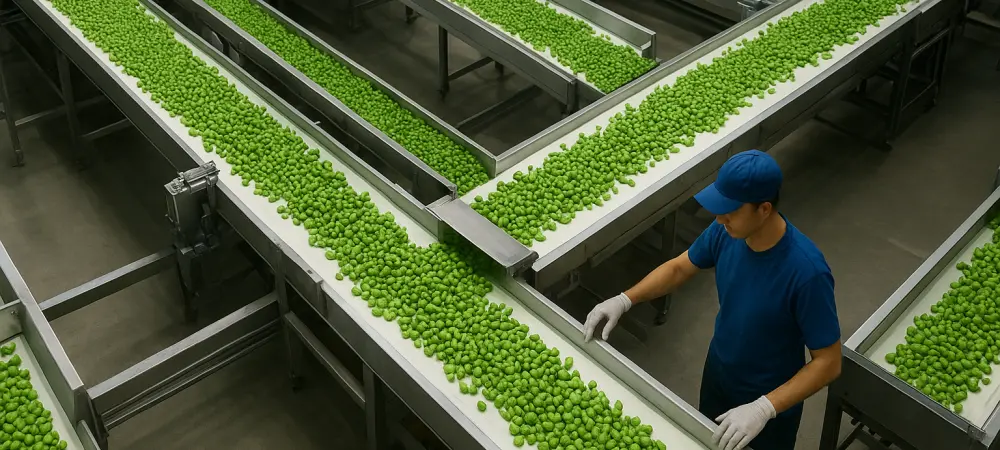
The chaotic rhythm of a high-stakes harvest season often exposes the fragile digital underpinnings of many agribusinesses that still struggle with manual data entry and fragmented record-keeping systems. While generic technology solutions promise efficiency, the actual demands of the primary food producer are far removed from the standardized world of retail or general manufacturing. The “first mile” of food production is characterized by unpredictability, where the raw materials are non-uniform and the supply chain begins in a dirt field rather than a sterile warehouse. Consequently, the search for a comprehensive enterprise resource planning system becomes a quest for a platform that can bridge the gap between financial rigor and the biological reality of farming.
The fundamental disconnect between traditional business software and the agrifood sector stems from the nature of the inventory itself. In a typical manufacturing environment, a purchase order represents a known quantity of identical parts, but in the world of primary processing, a delivery might consist of thousands of pounds of produce with varying moisture levels, sugar content, or foreign material. This complexity requires a system that does more than just track costs; it must account for the physical transformation and degradation of live products. Organizations that fail to recognize this distinction often find themselves buried under a mountain of spreadsheets, attempting to manually reconcile the differences between what was received at the gate and what was ultimately packed for sale.
Beyond the Ledger: Why the First Mile of Food Production Demands More from Technology
While many ERP solutions claim to support the food industry, most were designed for the “middle mile”—the bakeries and bottling plants that deal with uniform ingredients and predictable quantities. For these downstream processors, an ingredient is simply a line item with a fixed cost and a standard unit of measure. However, for the growers, hullers, and primary processors working at the very start of the supply chain, the reality is far more chaotic and requires a much higher degree of technical flexibility. A standard ledger simply cannot capture the nuance of a crop that loses weight through evaporation or a delivery that must be discounted because of the presence of pebbles or twigs from the field.
The intensity of the agricultural cycle adds another layer of stress that generic software often fails to withstand. During a typical harvest, a primary processor may handle a full year’s worth of volume compressed into a frantic three-month window, requiring a system that is both exceptionally fast and highly reliable. If the ERP cannot handle the rapid intake of loads or the immediate grading of product, the resulting bottleneck can lead to spoilage and significant financial loss. Furthermore, the legal complexities of paying a grower based on fluctuating quality metrics require a specialized engine that can automate calculations that would otherwise take a team of accountants weeks to finalize.
Primary processors also face the unique challenge of maintaining a digital link to the earth itself. While a standard manufacturing lot begins with a purchase order from a vendor, an agricultural lot begins at a specific ranch and a specific block of land. This field-level genealogy is no longer a luxury; it is a requirement for modern market access and food safety. Without a platform that can track these biological origins, firms are unable to provide the level of transparency that global retailers and regulatory bodies now demand. The choice of technology, therefore, becomes a matter of whether a system can handle the messy, variable, and high-speed reality of the first mile of production.
The Growing Pressure on Agribusiness Infrastructure
The agrifood sector is currently caught between two powerful forces: a tightening regulatory environment and the digital sunset of legacy systems. With the FDA’s FSMA 204 Rule looming, firms must now be able to provide granular, digital traceability records within 24 hours—a feat impossible for those still relying on spreadsheets or outdated paper trails. This regulatory mandate requires the tracking of Key Data Elements for every Critical Tracking Event in the supply chain, from initial harvesting to final distribution. For many processors, the period from 2026 to 2028 represents a critical window for overhauling their data architecture to ensure they are compliant before federal enforcement begins in earnest.
Simultaneously, many food companies are facing a forced migration as Microsoft prepares to end support for Dynamics GP, a long-time favorite of the industry. This shift has turned the evaluation of Business Central from a “someday” project into a strategic necessity for maintaining market access and operational continuity. The transition away from legacy on-premises systems toward cloud-based environments is no longer just about modernization; it is about survival in a landscape where cyber threats are increasing and the demand for real-time data is non-negotiable. Organizations that postpone this migration risk being left with unsupported software that cannot integrate with the modern tools required for today’s logistics and sales.
The pressure is further intensified by the rising expectations of consumers who demand to know exactly where their food comes from and how it was treated. Digital transparency has become a competitive advantage, allowing firms to command premium prices for products with verified origins. In contrast, those stuck with fragmented systems struggle to prove their sustainability claims or provide the rapid response needed during a quality dispute. This environment has created a clear divide between “digital leaders” who use their infrastructure as a tool for growth and “digital laggards” who see technology as a burdensome cost center.
Evaluating the Native Strengths of Business Central
Business Central provides a robust foundation for food safety through its Item Tracking Codes, which are designed to ensure total transparency across the supply chain. It mandates lot tracking at every touchpoint—from receipt and internal transfers to final shipment—enabling both “forward” and “backward” tracing that is essential for mitigating the impact of a recall. This means that if a contamination issue is identified at the retail level, a processor can immediately trace the product back to the specific intake lot and identify all other shipments that shared the same source material. Such precision protects both the consumer and the financial health of the company by preventing unnecessary inventory destruction.
To prevent waste in fresh produce, the platform natively supports “First Expired, First Out” logic, which is a critical feature for any business dealing with perishable goods. By utilizing strict expiration posting, the system ensures that inventory with the shortest remaining life is prioritized during the picking and shipping process. This automated prioritization reduces the risk of shipping products that will be rejected by the customer due to insufficient shelf life, thereby protecting the bottom line. Moreover, the integration of these dates into the core inventory management system allows for more accurate forecasting and a significant reduction in the volume of expired goods that must be written off.
Microsoft continues to expand the platform’s utility with the recent release of a native Quality Management module in version 28, which arrived in April 2026. This module allows for the creation of standardized inspection templates and the automatic blocking of lots that fail to meet specific quality thresholds during receiving or production. For packhouses and primary processors, this ensures that quality control is no longer a separate, manual process but is instead an integrated part of the inventory workflow. However, it is important for users to recognize that while these standard features are powerful, they often require specific configurations to handle the formula-driven grading typical of raw agricultural products.
Bridging the “Agriculture Gaps” with Specialized Expertise
Despite its significant strengths, standard ERP logic often fails when it meets the unique nuances of the field, particularly regarding how inventory is identified and valued. Industry experts point out that while a standard ERP lot begins with a Purchase Order, an agricultural lot begins at a specific ranch and block. Bridging this gap requires specialized extensions to maintain field-level genealogy throughout the entire processing and packing lifecycle. Without this connection, the link between the final packaged product and the growing conditions of the crop is lost, making it difficult to satisfy the increasingly stringent requirements of export markets and high-end retailers.
The industry’s reliance on “Catch Weight”—where product weight changes due to moisture loss or tare deductions—frequently conflicts with the native fixed-conversion logic found in most general business software. In many agrifood scenarios, a load of nuts or fruit might lose significant weight between the time it is weighed at the gate and the time it is actually processed. Standard systems struggle to account for these fluctuations without manual adjustments that compromise financial accuracy and data integrity. Without a vertical-specific layer that understands variable weights, staff are often forced into manual workarounds that become highly prone to error during the high-pressure harvest window.
Furthermore, the relationship between a processor and a grower is fundamentally different from a standard vendor-buyer transaction, necessitating a complex grower settlement process. Standard ERPs are built for simple invoicing, but agrifood operations require the calculation of payments based on complex pools, advances, and quality-based price adjustments. Integrating these grading results directly into the financial settlement process is essential for maintaining trust with growers and ensuring that payments are both accurate and timely. Bridging these “agriculture gaps” is the difference between a system that merely tracks numbers and one that truly manages the business of food production.
Strategies for a Successful Agrifood Implementation
The most critical strategy for any agribusiness modernizing its technology stack was avoiding the trap of “upgrade debt” by prioritizing maintained vertical extensions over custom code. Rather than building bespoke features that would inevitably break during Microsoft’s bi-annual updates, successful firms utilized specialized solutions like AgriERP that ran natively inside Business Central. This approach ensured that the core financial system remained standard while providing the deep agricultural functionality required for field-to-fork traceability. By choosing a modular architecture, these organizations protected their long-term investment and maintained the ability to adopt new features as they were released by the platform provider.
Leadership teams also focused on the automation of the grower settlement process to eliminate the risks associated with manual data entry. They moved away from re-keying grading results by integrating intake data directly into the financial settlement engine, ensuring that contract-based payments were calculated with absolute precision. This integration not only improved the speed of payments but also provided growers with transparent reports that detailed exactly how their quality scores influenced their final checks. Such transparency was vital for maintaining strong supplier relationships in a competitive market where growers had multiple options for where to send their crops.
Preparation for regulatory compliance, specifically the FSMA 204 mandate, became a top priority for forward-thinking processors as they approached the 2028 deadline. Because the FDA required specific Key Data Elements for every Critical Tracking Event, firms began structuring their data early to ensure their systems could export “FDA-ready” reports on demand. They also implemented allergen sequencing to manage shared production lines more effectively, using the ERP to automate the order of operations to prevent cross-contamination. By tagging product attributes and automating production sequencing, these processors ensured label accuracy and mitigated the risk of a costly recall related to undeclared allergens. Ultimately, the transition toward a unified digital ecosystem required a fundamental reassessment of how data moved from the field to the boardroom. Successful organizations realized that the complexities of the agrifood sector necessitated more than just a ledger; they demanded a system that spoke the language of the grower. By prioritizing vertical extensions and automating critical financial settlements, these firms managed to reduce their operational overhead while ensuring total compliance with federal safety rules. It was this proactive stance that separated market leaders from those who remained tethered to the limitations of their legacy infrastructure. Looking ahead, the focus remained on refining these digital tools to further enhance the transparency and resilience of the entire food supply chain. High-performing teams investigated the potential of real-time sensor integration and expanded their use of advanced analytics to gain deeper insights into crop yields. They also looked toward establishing stronger data-sharing protocols with export partners to facilitate faster border crossings and more reliable logistics. These initiatives formed the cornerstone of a strategy aimed at long-term sustainable growth in an increasingly digital world.