

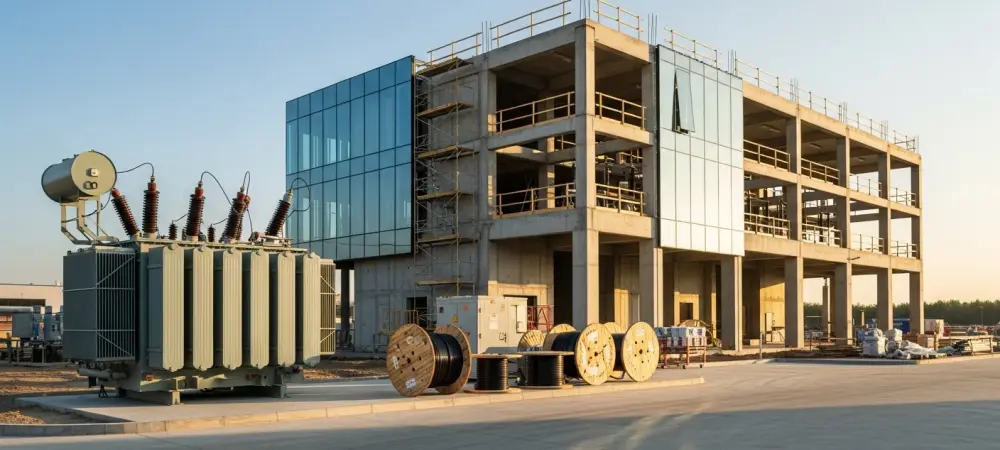
Exploring Budimex’s Strategic Shift into Digital Infrastructure
The traditional landscape of European construction is witnessing a seismic shift as industry giants move beyond the era of simply pouring concrete to embrace the complexities of the silicon age. Budimex, a name long associated with the massive logistical feats of Poland’s road and rail networks, is currently executing a transformation that signals a departure from its role as a mere contractor. The company is actively positioning itself to become an owner and operator of high-tech digital hubs, marking a definitive transition toward a full-scale infrastructure provider model. By analyzing their current trajectory, it becomes clear that this move is designed to capture the explosive growth of the digital economy across Eastern Europe and potentially the Mediterranean.
From Contractor to Operator: The Evolution of a Construction Giant
The historical identity of Budimex is deeply rooted in the physical development of Poland, having spent decades delivering essential transport and utility projects. In the past, their involvement in the data sector was largely confined to specialized, project-specific contracts for government entities, such as infrastructure for the Ministry of Finance. However, the modern construction market is increasingly characterized by firms seeking to escape the low-margin traps of general contracting. For Budimex, a background in managing massive, high-stakes developments provides the necessary technical pedigree to handle the rigorous demands of server facilities. This evolution is a logical progression for a firm that understands how to navigate complex regulatory environments and large-scale site logistics.
Orchestrating a Turnkey Solution for the Digital Age
The Integrated Model of Ownership and Operation
A central pillar of the new strategy involves a commitment to providing a “turnkey” solution that spans the entire lifecycle of the asset. Rather than simply building a shell for a third party, Budimex intends to manage everything from site acquisition and technical construction to long-term facility operation. This vertical integration directly addresses a significant pain point in the tech industry: the frequent disconnect between physical delivery and operational readiness. By maintaining control over the whole process, the company can mitigate technical risks and ensure the 24/7 uptime required by modern enterprises. This shift effectively turns a one-time service provider into an asset manager with reliable, recurring revenue streams.
Strategic Alliances with Global Hyperscalers
To achieve the scale necessary for global competition, Budimex is currently engaging in high-level dialogues with “hyperscalers” like Microsoft and Google. These technology titans provide the cloud demand and distribution frameworks that make large-scale data hubs financially viable. While these early discussions are focused on assessing market potential rather than immediate blueprints, the collaboration is vital for aligning physical infrastructure with future cloud capacity requirements. For Budimex, these relationships offer more than just a potential client base; they provide a sophisticated roadmap for the technical and security protocols that define the highest tier of data facilities.
Overcoming the Power Supply and Real Estate Hurdle
The path to becoming a data powerhouse is obstructed by significant logistical hurdles, particularly regarding power procurement and geography. Modern facilities require immense, stable electrical supplies, which are becoming increasingly difficult to secure in saturated markets. Budimex is leveraging its localized expertise to scout strategic locations across Poland—and notably Spain—that offer the ideal combination of fiber connectivity and energy access. By proactively securing these sites and managing the utility logistics, the company removes a massive barrier to entry for its tech partners. This focus on “power-to-site” solutions is a strategic differentiator that separates them from competitors who only offer construction services.
The Future Landscape of High-Growth Technical Sectors
The trajectory for the coming years is defined by a surging demand for data sovereignty and localized processing power. As regulatory environments tighten and more businesses migrate their core operations to the cloud, the necessity for regional data hubs will only intensify. We can expect Budimex to integrate renewable energy solutions directly into these centers to meet global sustainability standards. Furthermore, the company’s interest in the Spanish market suggests a vision for a pan-European digital footprint that transcends its traditional borders. Technological advancements, particularly in the realm of artificial intelligence, will necessitate higher density cooling and power solutions, offering Budimex a niche for specialized innovation.
Strategic Takeaways for an Evolving Infrastructure Market
This pivot offers several critical lessons for the broader business community regarding the necessity of diversification. Entering high-growth technical sectors serves as an effective hedge against the cyclical downturns often found in traditional public works construction. The “as-a-service” model—where a firm builds, owns, and operates—is rapidly becoming the gold standard for infrastructure companies seeking long-term financial stability. It is also evident that Budimex’s ability to fund this transition was supported by a robust operating profit, proving that financial health is a prerequisite for entering capital-intensive markets. For industry professionals, the takeaway remains that the future of engineering is found at the intersection of physical assets and digital utility.
Conclusion: Redefining the Pillars of Future Growth
The strategy to establish a presence in the data center market represented a fundamental reimagining of what a construction company could achieve. Industry leaders recognized that by bridging the gap between heavy industry and high technology, they were no longer just building structures but were instead creating the essential framework for modern connectivity. Organizations looking to follow this path prioritized the acquisition of specialized talent and moved toward securing green energy partnerships to power their future assets. This proactive approach ensured that the infrastructure delivered was both technologically relevant and environmentally sustainable for the next generation of digital needs. Final investments targeted the integration of edge computing capabilities to stay ahead of the evolving demands of the global tech economy.