

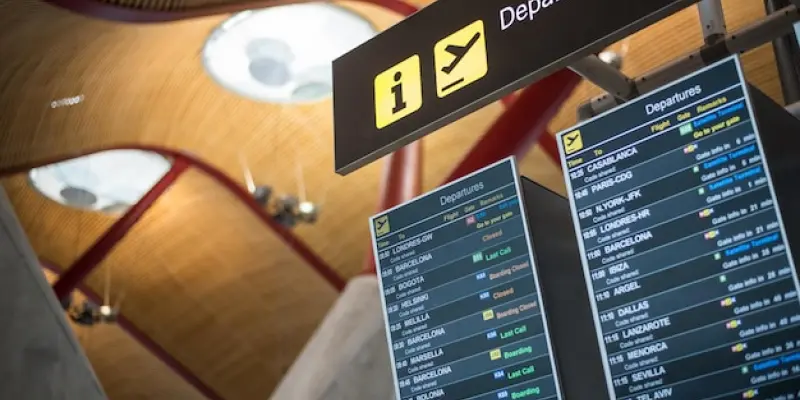
The escalating cyber risks faced by the aviation sector due to outdated software and technology have never been more apparent. A recent report from the Foundation for Defense of Democracies has emphasized the necessity for federal authorities to conduct thorough risk assessments and upgrade the air traffic control system to enhance cyber resilience. These updates in methodology aim to mitigate vulnerabilities that arise from aging technology and the sophistication of cyber threats targeting the aviation industry. Today, the aviation sector stands at a critical juncture where proactive measures are essential to safeguard against malicious actors.
Modernizing Air Traffic Control Systems
The Role of the Federal Aviation Administration (FAA)
The Federal Aviation Administration (FAA) has been urged to modernize the air traffic control system with a primary focus on cyber resilience. The call for action comes from the substantial pressures on the current system, which struggles to keep up with increasing threats as commercial airlines operate at full capacity. With airlines needing to accommodate an ever-growing number of passengers, system instability due to cyber threats poses considerable risks to both safety and efficiency. One of the pressing recommendations is a collaborative effort between the FAA, the Transportation Security Administration (TSA), and the Cybersecurity and Infrastructure Security Agency (CISA) to carry out extensive cyber vulnerability and risk assessments at major hub airports. This collaboration is vital for identifying and mitigating cyber vulnerabilities before they can be exploited. Additionally, implementing updated technologies and protocols across the network can significantly reduce the risk of disruptions due to cybersecurity breaches.
Implementing Comprehensive Cybersecurity Solutions
Although the government and private sectors have implemented measures to address cybersecurity gaps, the current system’s stresses exceed the ability to counteract the growing threats. The aviation sector’s reliance on outdated technology and fragile logistics can lead to significant disruptions even without cyberattacks, as evidenced by incidents like Southwest’s issues in 2022 and the CrowdStrike software update mishap in July 2024. These examples highlight the potential for outdated or poorly executed technology solutions to cause massive operational disruptions.
Despite these challenges, the FAA has emphasized its commitment to safeguarding the National Airspace System from cyber threats. An FAA spokesperson highlighted the comprehensive approach, noting collaborations with intelligence and security experts from both the federal government and the private sector. This approach is crucial for ensuring that technological advancements are both effective and secure, preventing catastrophic interruptions in aviation operations.
Addressing Cybersecurity in the Private Sector
Vulnerabilities Due to Aging Technology
The aviation sector’s critical supply chains and sophisticated attacks targeting aged technology are increasingly becoming a focal point. The substantial challenge lies in upgrading systems that have long been in use, adapting them to current cybersecurity standards, and doing so without causing significant disruptions to daily operations. Modernizing these systems is essential for reducing the risk of cyberattacks that exploit these dated vulnerabilities.
For instance, a faulty software update by CrowdStrike in July 2024 led to the malfunction of millions of Microsoft Windows computers, forcing Delta Air Lines to cancel thousands of flights. This incident underscored how interconnected and vulnerable modern aviation systems are to technological mishaps. Furthermore, the ensuing $500 million lawsuit against CrowdStrike highlights the financial ramifications of failing to address cybersecurity adequately.
Ongoing Efforts and Challenges
Despite TSA’s efforts in 2023 to bolster aviation security under the Biden administration’s national cybersecurity strategy, cybersecurity remains a critical concern. The actions taken, while significant, must be continuously advanced to keep pace with the rapidly evolving threat landscape. Other incidents, such as a Rhysida ransomware attack on the Port of Seattle in August 2024, disrupted services at Seattle Tacoma International Airport, compromising the data of 90,000 individuals, illustrating the ongoing challenges faced by the industry.
Attacks on key industry players like Boeing, which faced cyberattacks in both the previous and current years, further illuminate the urgency of prioritizing cybersecurity. The LockBit attack, alongside another targeting its unit, Jeppesen, demonstrates how even leading companies with sophisticated defenses are vulnerable to persistent threats. These circumstances call for an industry-wide consensus on the adoption of state-of-the-art security measures and consistent collaboration between private and public sectors.
Future Directions for Aviation Cybersecurity
Enhancing Collaboration and Preparedness
The report from the Foundation for Defense of Democracies underscores the multifaceted nature of the aviation sector’s cybersecurity threats. To effectively mitigate these risks, a comprehensive and collaborative effort from federal authorities and the private sector is imperative. This collaboration should focus on strengthening cyber resilience to ensure that the aviation sector can handle high-demand travel without significant disruptions. Achieving this will require a concerted effort to modernize outdated systems, implement robust risk assessments, and invest in innovative cybersecurity solutions. Ensuring the aviation sector’s cyber resilience also involves fostering a culture of continuous improvement and vigilance. As cyber threats evolve, so too must the defense mechanisms deployed to counter them. This means staying abreast of the latest developments in cybersecurity technologies and best practices, and ensuring that all stakeholders, from government agencies to private companies, are aligned in their strategies and priorities.
Fostering Innovation and Technology Integration
The aviation sector is increasingly vulnerable to cyber risks as a result of outdated software and technology, a problem that has become more evident than ever before. A recent report by the Foundation for Defense of Democracies has highlighted the urgent need for federal authorities to perform comprehensive risk assessments and modernize the air traffic control system to improve cybersecurity. These updates are intended to address the weaknesses arising from outdated technology and the growing sophistication of cyber threats targeting the aviation industry. Currently, the aviation sector stands at a pivotal moment where taking proactive steps is crucial to protect against cyber-attacks. Enhancing the protection of data transmission, upgrading legacy systems, and implementing robust cybersecurity measures are vital to maintaining the integrity of aviation operations. The critical importance of this issue cannot be overstated, as the safety and security of air travel depend on these needed upgrades and assessments to defend against malicious actors looking to exploit these vulnerabilities.