

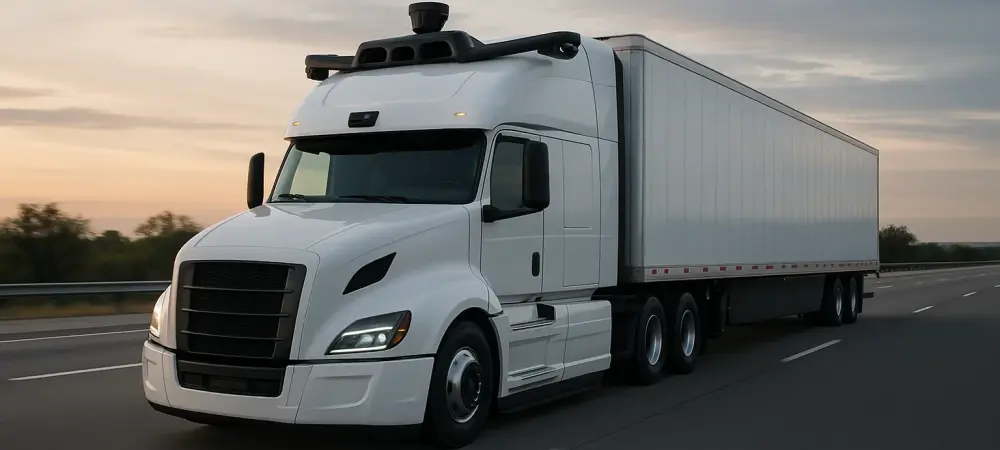
The field of logistics is experiencing a seismic shift with the burgeoning adoption of autonomous trucking technologies. As transformative advancements continue to redefine this industry, partnerships between technology developers and manufacturing experts are playing an instrumental role. The collaboration between Kodiak Robotics, an emergent player in self-driving truck technology, and Roush Industries, known for its prowess in mobility solutions, is a case in point. This strategic alliance is set to revolutionize how autonomous systems are produced and deployed across various trucking configurations, aiming to bolster efficiency and meet the evolving demands of logistics. By integrating cutting-edge autonomous technology with scalable manufacturing capabilities, these companies are setting the stage for a new era in transportation.
Strategic Partnerships for Scalable Solutions
Leveraging Expertise for Autonomous Advancements
Kodiak Robotics has taken a significant leap in its journey through its partnership with Roush Industries, an established entity with half a century of experience in development and integration within the mobility sector. Roush’s expertise is centered around a robust array of upfitting services, which are pivotal in enhancing Kodiak’s autonomous trucking offerings. By dedicating a specialized production line to integrate Kodiak’s modular hardware, including sensor pods and artificial intelligence-driven technology, Roush ensures that diverse truck configurations adhere to high-quality standards without sacrificing flexibility or scalability. This partnership emerges at a critical juncture for Kodiak, with plans underway to transition from limited production to comprehensive deployment. Leveraging innovative manufacturing processes tailored specifically for Kodiak’s technology, Roush aims to fulfill an order of 100 trucks for Atlas Energy Solutions, reflecting a commitment to delivering customized solutions for varied industry demands. Such collaborative efforts not only signify a major advancement in autonomous driving technology but also align with prevailing trends of adaptive, efficient logistics solutions crucial for the industry’s growth.
Kodiak’s Strategic Public Market Endeavor
In tandem with its technological advancements, Kodiak Robotics is making strides in the financial domain by proceeding with plans to go public through a merger with Ares Acquisition Corp II. This strategic move underscores the company’s expanding influence within the autonomous vehicle sector, highlighting its adaptability and pursuit of broader market opportunities. Public offerings are instrumental for companies like Kodiak, providing essential capital for research, development, and scaling operations. Kodiak’s intent to transition into the public market serves as a testament to its transformative strategy aimed at embedding AI-powered autonomous systems into mainstream logistics and transportation solutions. This move is indicative of the company’s ambition to strengthen its market presence and drive further innovation in the autonomous trucking domain, where emerging technologies promise to redefine operational paradigms in logistics.
Future Perspectives in Autonomous Trucking
Trends in Technology Integration
The landscape of logistics is rapidly evolving, and autonomous trucking is positioning itself as a cornerstone of these developments. The strategic alignment witnessed in the Kodiak-Roush partnership exemplifies the integration of technology with flexible manufacturing processes, which are vital to the industry’s adaptation of innovative solutions. By fostering partnerships and embracing advanced manufacturing techniques, the logistics sector is poised to experience enhanced operational efficiency, cost-effectiveness, and environmental sustainability.
As companies continue to explore the potential of autonomous systems, there is a growing focus on technological platforms that allow seamless integration with existing transport networks. These platforms promise significant benefits, including reduced human error, optimized routing, and minimized downtime, which are crucial for an industry driven by punctuality and precision. With these advancements, logistics has the potential to reach unparalleled levels of effectiveness.
The Broader Impact of Autonomous Solutions
The surge in autonomous trucking is not merely a technological trend; it reflects a fundamental shift towards smarter, agile logistics solutions. As more companies recognize the value of integrating AI-powered systems into their operations, the resultant impact is expected to transcend efficiencies, reshaping market dynamics and competitive landscapes. Collaboration between technology developers and seasoned manufacturers is central to this transformation, ensuring that the advancement of autonomous trucking continues to align with the sector’s diverse requirements. Furthermore, the importance of customizable solutions cannot be overstated as each logistics operation presents unique challenges. The industry’s responsiveness to these challenges through adaptive technology holds the promise of sustained growth and innovation. As Kodiak Robotics and Roush Industries exemplify through their joint endeavors, the future of autonomous trucking is geared towards meaningful partnerships and scalable solutions that empower logistics entities to thrive in a rapidly changing global environment.
Embracing Change and Innovation
Kodiak Robotics is making significant strides through its collaboration with Roush Industries, a seasoned player with 50 years in the mobility sector. Roush specializes in upfitting services, crucial for advancing Kodiak’s autonomous trucking operations. By setting up a dedicated production line to integrate Kodiak’s modular technology, such as sensor pods and AI-driven systems, Roush maintains high-quality standards across various truck setups without compromising flexibility or scalability.
This alliance is occurring at a pivotal moment for Kodiak, as it aims to move from limited production to widespread deployment. Roush’s innovative manufacturing methods, tailored for Kodiak’s tech, are poised to fulfill an order for 100 trucks for Atlas Energy Solutions. This represents a commitment to bespoke solutions meeting diverse industry needs. These joint efforts mark a significant breakthrough in autonomous driving technology and mirror the industry’s trend towards adaptive and efficient logistics solutions, essential for growth.