
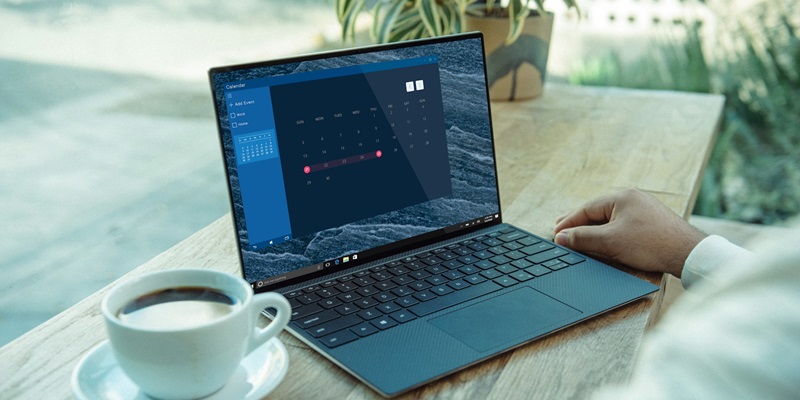
Is ASUS’s AI-Driven Vivobook S5507 the Future of Laptops?

In an era where artificial intelligence is swiftly becoming a central feature of our daily tech experience, ASUS has thrown down the gauntlet with its latest creation, the Vivobook S5507. This isn’t just another entrant in the overcrowded laptop marketplace; it is a statement of intent from ASUS, heralding a new dawn for personal computing with AI at its core. The integration of Qualcomm’s Snapdragon X series processors and a unique collaboration with industry heavyweights Microsoft and Qualcomm raise the bar not just for performance, but for personalized user experiences as well.

The AI capabilities promised in the Vivobook S5507 are designed to learn from and adapt to individual user behaviors, offering an unparalleled level of personalized computing. This could range from optimizing power consumption based on usage patterns to predictive text and cognitive understanding that fundamentally change how we interact with our devices. For professionals and creatives alike, the potential for enhanced workflows and smarter, more intuitive technology is tantalizing.

A Pivotal Moment in Laptop Evolution

ASUS is redefining personal computing with the launch of its innovative Vivobook S5507. By harnessing the power of AI, this laptop offers a customized user experience that’s second to none. It takes advantage of the Qualcomm Snapdragon X series processors and stands as a product of a groundbreaking partnership with giants like Microsoft and Qualcomm.

This AI functionality is not just about raw performance—it’s about smart adaptation to the user’s habits. This means the Vivobook S5507 can manage power efficiently, anticipate typing needs, and offer cognitive interaction that could revolutionize device use. It’s not just a leap forward for ASUS but a game-changer for professionals and creative minds who look for tech that keeps up with their pace. The Vivobook S5507 isn’t just a new laptop; it represents the dawn of a smarter era in personal computing, where the technology we use understands us like never before.

Explore more

Jenacie AI Debuts Automated Trading With 80% Returns

We’re joined by Nikolai Braiden, a distinguished FinTech expert and an early advocate for blockchain technology. With a deep understanding of how technology is reshaping digital finance, he provides invaluable insight into the innovations driving the industry forward. Today, our conversation will explore the profound shift from manual labor to full automation in financial trading. We’ll delve into the mechanics

Chronic Care Management Retains Your Best Talent

With decades of experience helping organizations navigate change through technology, HRTech expert Ling-yi Tsai offers a crucial perspective on one of today’s most pressing workplace challenges: the hidden costs of chronic illness. As companies grapple with retention and productivity, Tsai’s insights reveal how integrated health benefits are no longer a perk, but a strategic imperative. In our conversation, we explore

DianaHR Launches Autonomous AI for Employee Onboarding

With decades of experience helping organizations navigate change through technology, HRTech expert Ling-Yi Tsai is at the forefront of the AI revolution in human resources. Today, she joins us to discuss a groundbreaking development from DianaHR: a production-grade AI agent that automates the entire employee onboarding process. We’ll explore how this agent “thinks,” the synergy between AI and human specialists,

Is Your Agency Ready for AI and Global SEO?

Today we’re speaking with Aisha Amaira, a leading MarTech expert who specializes in the intricate dance between technology, marketing, and global strategy. With a deep background in CRM technology and customer data platforms, she has a unique vantage point on how innovation shapes customer insights. We’ll be exploring a significant recent acquisition in the SEO world, dissecting what it means

Trend Analysis: BNPL for Essential Spending

The persistent mismatch between rigid bill due dates and the often-variable cadence of personal income has long been a source of financial stress for households, creating a gap that innovative financial tools are now rushing to fill. Among the most prominent of these is Buy Now, Pay Later (BNPL), a payment model once synonymous with discretionary purchases like electronics and