
Is ASRock’s New BIOS Update the Fix for Ryzen 7 9800X3D Issues?

Article Highlights
Off On

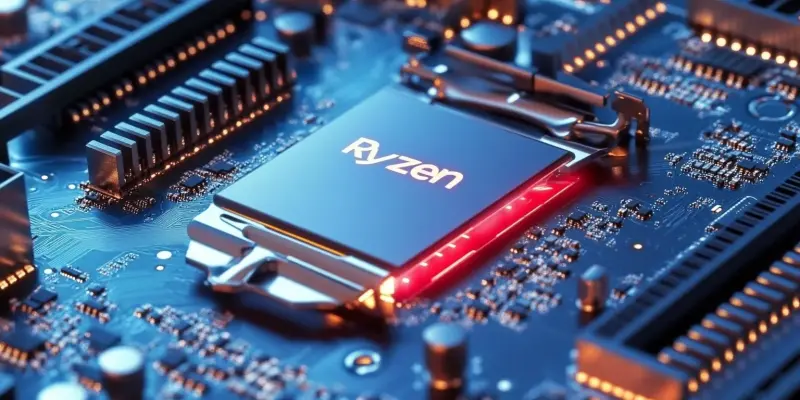
ASRock has released a new BIOS update to address persistent issues related to the AMD Ryzen 7 9800X3D CPUs, providing a potential solution to unexpected boot problems and cryptic error codes that users have been encountering. Reports have emerged on various tech forums, including Reddit, detailing sudden and often unexplainable crashes and system failures with these high-performance CPUs. These issues can appear at any time, from the initial boot-up of the computer to several weeks after usage, causing significant frustration for users. Importantly, the problems are not confined to a single motherboard manufacturer, although ASRock’s models appear to be affected to a considerable extent.

ASRock’s Swift Response

In response to the growing number of complaints and reports, ASRock expedited the release of the 3.20 Beta BIOS update specifically targeted at its AM5 series motherboards. The update aims to enhance user experience by addressing the boot issues frequently encountered with the AMD Ryzen 9000 series processors. However, it is worth noting that the update does not explicitly mention resolving CPU failures, which suggests that ASRock may not consider itself responsible for dead-on-arrival (DOA) incidents. This distinction is significant and may imply that there are underlying issues that the BIOS update alone cannot resolve.

Interestingly, statements from ASRock Japan have suggested that the CPU failures could be linked to memory issues rather than an inherent flaw in the CPU’s architecture. This revelation adds another layer of complexity to the problem. Despite these insights, AMD has yet to issue an official statement, leaving users in a state of ongoing uncertainty. For now, users are advised to adhere closely to their motherboard vendor’s guidelines when dealing with these issues. This approach aims to mitigate the problems while waiting for a more definitive resolution from AMD or further updates from motherboard manufacturers.

The Bigger Picture and User Experience

Enthusiastic tech users have voiced growing concerns as they experience unpredictable system behavior, especially considering the investment in high-performance CPUs like the AMD Ryzen 7 9800X3D. This BIOS update aims to enhance stability and ensure smoother, more reliable operation. Users are encouraged to install the update promptly to circumvent these problematic scenarios, ensuring their systems run more smoothly and efficiently.

Explore more

Resilience Becomes the New Velocity for DevOps in 2026

With extensive expertise in artificial intelligence, machine learning, and blockchain, Dominic Jainy has a unique perspective on the forces reshaping modern software delivery. As AI-driven development accelerates release cycles to unprecedented speeds, he argues that the industry is at a critical inflection point. The conversation has shifted from a singular focus on velocity to a more nuanced understanding of system

Can a Failed ERP Implementation Be Saved?

The ripple effect of a malfunctioning Enterprise Resource Planning system can bring a thriving organization to its knees, silently eroding operational efficiency, financial integrity, and employee morale. An ERP platform is meant to be the central nervous system of a business, unifying data and processes from finance to the supply chain. When it fails, the consequences are immediate and severe.

When Should You Upgrade to Business Central?

Introduction The operational rhythm of a growing business is often dictated by the efficiency of its core systems, yet many organizations find themselves tethered to outdated enterprise resource planning platforms that silently erode productivity and obscure critical insights. These legacy systems, once the backbone of operations, can become significant barriers to scalability, forcing teams into cycles of manual data entry,

Is Your ERP Ready for Secure, Actionable AI?

Today, we’re speaking with Dominic Jainy, an IT professional whose expertise lies at the intersection of artificial intelligence, machine learning, and enterprise systems. We’ll be exploring one of the most critical challenges facing modern businesses: securely and effectively connecting AI to the core of their operations, the ERP. Our conversation will focus on three key pillars for a successful integration:

Trend Analysis: Next-Generation ERP Automation

The long-standing relationship between users and their enterprise resource planning systems is being fundamentally rewritten, moving beyond passive data entry toward an active partnership with intelligent, autonomous agents. From digital assistants to these new autonomous entities, the nature of enterprise automation is undergoing a radical transformation. This analysis explores the leap from AI-powered suggestions to true, autonomous execution within ERP