

The rapid integration of sophisticated artificial intelligence into the core of personal computing has created a paradox where users demand both high-performance inference and total data sovereignty. As generative models grow in complexity, the hardware limitations of a smartphone or tablet often necessitate the offloading of tasks to remote servers, traditionally introducing a significant privacy risk. Apple addressed this dilemma through the introduction of Private Cloud Compute, an architecture designed to extend the rigorous security standards of the iPhone directly into the cloud environment. This system represents a fundamental shift in how remote data processing is handled, aiming to provide a verifiable guarantee that personal information is never stored or accessible by anyone outside the user’s local device. By utilizing custom-built silicon and a streamlined operating system, the company has attempted to bridge the gap between convenience and confidentiality, setting a new benchmark for the tech industry at large.
Hardware Hardening: Implementing Silicon-Level Security
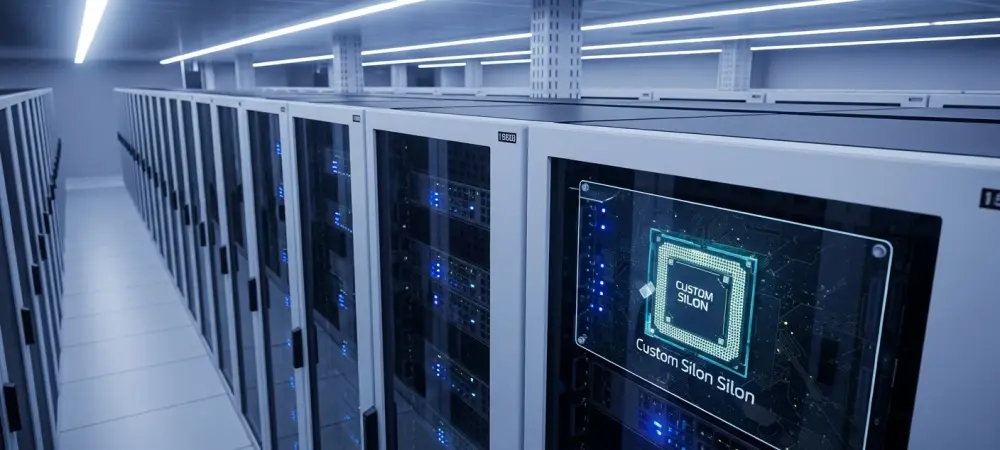
The physical foundation of this cloud security model relied heavily on the deployment of custom Apple silicon specifically engineered for data center environments. Unlike traditional server hardware that utilized generic components, these specialized chips incorporated a dedicated Secure Enclave and a Secure Boot process, ensuring that only cryptographically signed software could execute on the hardware. This tight integration of hardware and software allowed for a level of control that was previously unavailable in public cloud configurations, where multi-tenancy and shared resources often created potential vectors for data leakage. By isolating every inference request within its own secure execution environment, the system effectively neutralized many common types of hypervisor-based attacks. This hardware-centric approach ensured that the fundamental root of trust remained with the user, rather than with the cloud provider, providing a robust layer of protection that mirrored the security found on local hardware.
Beyond the physical chips, the software stack running on these servers was stripped of all non-essential components to minimize the attack surface. Traditional operating systems often included diagnostic tools, shell access, and logging mechanisms that, while useful for maintenance, could be exploited by malicious actors or used for unauthorized data collection. Private Cloud Compute removed these elements entirely, replacing them with a purpose-built operating system written in memory-safe languages like Swift. This stateless environment ensured that once a specific AI task was completed, the data associated with that request was immediately purged from memory, leaving no persistent footprint for forensic analysis. Furthermore, the absence of persistent storage meant that even if a server were physically compromised, there would be no long-term user data stored on the drives. This design philosophy prioritized security over administrative convenience, demonstrating a commitment to a truly ephemeral processing model.
Transparency Protocols: Public Auditing and Code Verification
To address the skepticism surrounding proprietary cloud systems, a framework for independent verification was established to allow external researchers to audit the software. The manufacturer took the unprecedented step of publishing the binary images of the software running on the Private Cloud Compute nodes, enabling security experts to inspect the code for vulnerabilities or hidden backdoors. By providing a Virtual Research Environment, the company allowed these auditors to run the same software on their own machines, facilitating deep-dive analyses without compromising the live production environment. This level of transparency was essential for building trust, as it moved the security claims from a black box model to a verifiable public record. The initiative invited constant scrutiny, which served as a powerful deterrent against the introduction of intentional weaknesses. This shift toward open auditing represented a significant departure from standard industry practices where cloud infrastructure details are often guarded as trade secrets.
The broad implementation of Private Cloud Compute successfully redefined the standards for secure artificial intelligence by demonstrating that cloud-based inference could adhere to rigorous privacy requirements. Decision-makers throughout the technology sector evaluated these robust security frameworks and integrated similar methodologies into their own infrastructures to ensure long-term data protection for their users. Developers prioritized the adoption of cryptographically signed bootloaders and systematically eliminated persistent storage in remote processing environments to mitigate the inherent risks of unauthorized data access. The industry as a whole moved toward a more transparent model where hardware-level attestation became a necessary prerequisite for any cloud-based service handling sensitive personal information. These proactive steps ensured that the global digital ecosystem remained resilient against emerging threats while continuing to deliver powerful AI experiences. The collective focus on verifiable software images and memory-safe code paved the way for a new era of trust in cloud computing.