

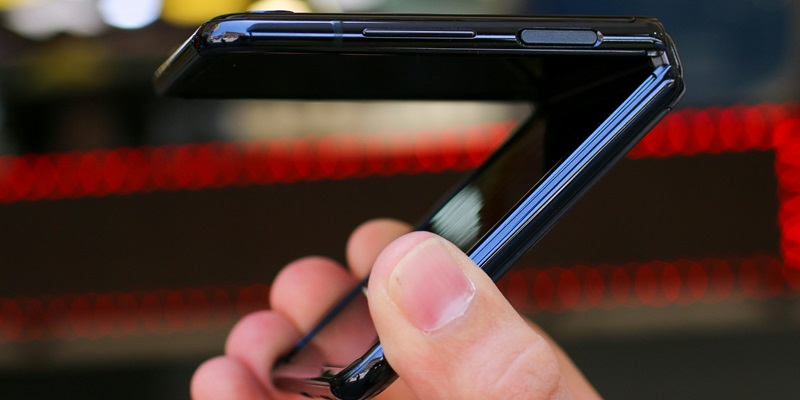
Rumours have been swirling about Apple entering the foldable phone game, a frontier initially staked out by Samsung with its Galaxy Fold. This market innovation is poised to go through another seismic shift with the potential arrival of a foldable iPhone. Given Apple’s track record for disrupting tech markets and its loyal consumer base, the introduction of a foldable device could redefine the contours of smartphone design and functionality. Projected to capture a remarkable 20% of the market share initially, the Apple foldable iPhone is looking at not just entering but dominating the scene—with analysts seeing this number almost doubling by the subsequent year.
A Strategic Shift for Apple
Apple, traditionally cautious in releasing new products, is making waves in the tech world with its move toward foldable device technology. While the buzz initially revolved around the possibility of foldable iPads, current rumours indicate that Apple is diving deeper, crafting a foldable iPhone. This strategic shift by Apple highlights the company’s recognition of the significant impact foldable tech could have on the market. Estimates suggest that this venture could propel Apple’s revenues by a colossal $100 billion within two years of the product’s release. By taking this step, Apple isn’t merely expanding its product line; it’s potentially reshaping the smartphone industry’s future, showcasing a vision that could redefine the genre of mobile devices. The development of a foldable iPhone showcases Apple’s readiness to pioneer a new era in smartphone technology.
The Innovation Wave Spurred by Apple
When Apple joins a new product category, it seldom just participates—it often leads. The possibility of an Apple foldable iPhone by 2026 can redefine the industry’s standards for innovation and quality. Acknowledged challenges like durability, battery life, and seamless software integration are areas where Apple’s engineering and design ethos could excel, perhaps setting a new benchmark for the foldable phone market. Additionally, Apple’s entry could inspire waves of competitive enhancements from other tech giants, which fundamentally benefits consumers through more robust options and, potentially, better pricing.
Market Implications of an Apple Foldable iPhone
Anticipation is mounting over the potential release of an Apple foldable iPhone. If Apple does enter the foldable phone arena, its renowned design savvy and intuitive tech are expected to dominate the market, sparking a surge in smartphone innovation and user experience. Although Apple has yet to confirm such a development, the buzz it’s generating underscores Apple’s knack for shaping tech trends. A foldable iPhone would not just offer new options for consumers, it might set off a wave of advancements in the phone industry. Given Apple’s strong following, its version of a foldable device could lead to more competitive pricing and an invigorated foldable phone sector. The tech community eagerly awaits, knowing that Apple’s influence could launch a transformative phase in mobile technology.