
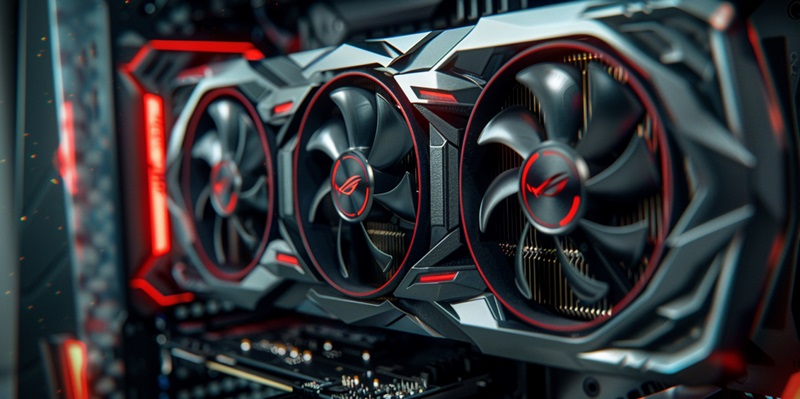
Is AMD’s RDNA 4 Update a Game Changer for GPUs?

In a bold move preceding the anticipated Computex event, AMD has integrated a substantial update into their software repertoire for the forthcoming RDNA 4 graphics cards. An astoundingly large submission of 24,000 lines of source code signals a profound shift towards enhancing efficiency and functionality. Within this software behemoth lie 23 patches focused on optimizing video decoding and encoding processes while bolstering support for Vulkan—a high-efficiency, cross-platform API. This meticulous preparation not only underscores AMD’s commitment to the technical refinement of their future products but also appears to suggest a readiness to address and correct the drawbacks noted in the preceding RDNA 3 lineup.

The sheer volume of the update has rippled through the tech community, sparking conversations and analyses across prominent forums like Phoronix.com and TweakTown. Enthusiasts and professionals alike are keen to decipher how these under-the-hood advancements position AMD in the escalating battle for GPU supremacy. This proactive approach by AMD seems to indicate a strategy to steal the thunder from competitors by ensuring their upcoming lineup of Radeon RX 8000 series cards isn’t just a step up, but potentially a leap forward in the highly volatile and competitive GPU market.

AMD’s Strategy Leading up to Computex 2024

As AMD faces financial uncertainty, the success of its RDNA 4 series is critical. Representing more than just a new product line, this launch is a test of AMD’s resilience and innovation. The recent substantial pre-release software update may not shake the market immediately, but it sets the stage for an intense competition within the graphics card sector.

Industry watchers, including Aleksha McLoughlin, are pondering whether the incremental updates of the Radeon RX 8000 series will suffice. It’s possible that nuanced generational improvements and strategic pricing could sway the market in AMD’s direction. The Computex 2024 showcase might be pivotal for AMD, possibly marking a significant shift in the company’s market position. As the event approaches, anticipation grows—not just for new products, but for what could be a transformative moment in AMD’s history in the GPU arena.

Explore more

Is Your Infrastructure Ready for the AI Revolution?

The relentless integration of artificial intelligence into the financial services sector is placing unprecedented strain on technological foundations that were never designed to support such dynamic and computationally intensive workloads. As financial institutions race to leverage AI for everything from algorithmic trading to real-time fraud detection, a critical question emerges: is their underlying infrastructure a strategic asset or a debilitating

How Is North America Defining the 5G Future?

A New Era of Connectivity North America at the Helm As the world rapidly embraces the fifth generation of wireless technology, North America has emerged not just as a participant but as the definitive leader shaping its trajectory. With global 5G connections surging past three billion, the region is setting the global standard for market penetration and technological innovation. This

Happy Employees Are the Best Driver of Stock Growth

What if the most powerful and reliable predictor of a company’s long-term stock performance was not found in its financial reports or market share analyses but within the genuine well-being of its workforce? For decades, corporate strategy has prioritized tangible assets, market positioning, and financial engineering as the primary levers of value creation. Employee satisfaction was often treated as a

Trend Analysis: AI Workforce Augmentation

The question of whether artificial intelligence is coming for our jobs has moved from speculative fiction to a daily topic of conversation in offices around the world, creating a palpable tension between innovation and job security. However, a closer look at the data and emerging workplace dynamics reveals a more nuanced reality: AI is arriving not as a replacement, but

AI Employees – Review

The long-predicted transformation of the modern workplace by artificial intelligence is now moving beyond analytical dashboards and assistive chatbots to introduce a completely new entity: the autonomous AI employee. The emergence of these digital coworkers represents a significant advancement in enterprise software and workforce management, shifting the paradigm from tools that require human operation to teammates that execute responsibilities independently.