

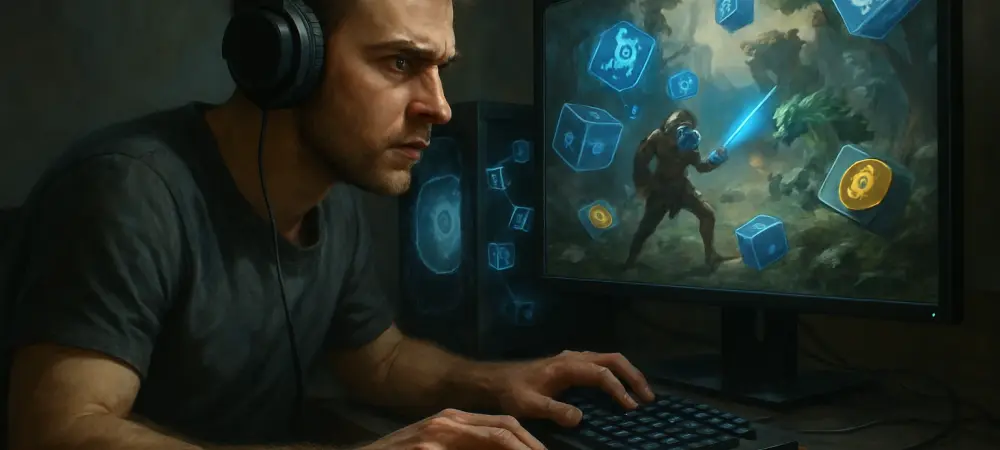
In the rapidly evolving technology space, the merging of artificial intelligence and blockchain is creating unprecedented opportunities in various sectors, most notably gaming. Among the foremost platforms championing this integration is Verse8, launched by Planetarium Labs. Designed to empower both game creators and players, Verse8 harnesses cutting-edge AI and blockchain technologies to redefine the gaming landscape. It promises to revolutionize how games are developed, played, and monetized, expanding the possibilities for user interaction and creativity on a global scale.
Revolutionizing Game Development with AI
Integrating AI in Game Design
Verse8 introduces an innovative approach to game development by allowing users to instantly create games using the Agent8 AI engine. This powerful tool eliminates the need for downloads or complex installations, offering direct and seamless access to game creation. Through utilizing CC0 3D assets and advanced generative models, creators can design immersive, massively multiplayer online role-playing games (MMORPGs) effortlessly. The ease of use inherent in Verse8’s design invites individuals across skill levels to experiment and innovate, fostering an inclusive environment that democratizes game creation. The strategic partnership with Google has further enhanced Verse8’s capabilities by leveraging its sophisticated AI technology. As a result, both novice and experienced developers alike can access powerful tools that rapidly turn their imaginative concepts into fully playable games. Moreover, the platform’s ability to generate diverse game types such as Mini Golf, Mergeverse, and Zero Strike demonstrates its flexibility and adaptability. This robust integration of AI in the gaming ecosystem highlights a shift towards tools that enhance user engagement through intuitive design and interactive experiences.
Expanding Accessibility and Creativity
With AI powering game creation, Verse8 significantly lowers the barriers to entry within the gaming industry. This opens the door for a wider array of creators to participate in developing engaging digital experiences. By prioritizing accessibility and creativity, the platform encourages a more diverse range of ideas and narratives to emerge within the game development space. This inclusivity is particularly appealing in a globalized world where varied cultural perspectives can enrich storytelling and player interaction.
Beyond just creative freedom, Verse8’s integration into the gaming space emphasizes a need for platforms that cater to both user experience and developer aspirations. The community-centric approach adopted by Planetarium Labs ensures that user feedback and engagement drive continuous enhancement of the platform. Successful games published on Verse8 prove that innovation thrives when platforms prioritize and foster a spirit of collaboration.
Blockchain Integration: Tokenizing the Gaming Experience
Merging Gaming with Blockchain
Verse8’s strategic partnership with Nexus and the CROSS platform marks an important step towards integrating gaming with blockchain technology. This collaboration allows users to build and trade games using tokens and NFTs on CROSSx, thereby incorporating elements of digital ownership and value exchange within the gaming ecosystem. Blockchain’s decentralized nature promises enhanced security, transparency, and immutability in transaction records, which can address numerous challenges within digital gaming environments. The introduction of tradeable tokens and NFTs introduces a new dimension to gaming, where players can now own, trade, and even monetize their in-game achievements and assets. This novel approach to gaming not only enriches user experience but also encourages deeper engagement by introducing financial incentives. As players participate in blockchain-enabled games, they contribute to a thriving web3 ecosystem that reshapes how games are played, shared, and valued within the digital world.
Driving Broader Participation
Blockchain’s role in gaming on platforms like Verse8 promotes broader participation and democratizes access to gaming resources. As players and creators engage with blockchain technologies, they are exposed to decentralized finance dynamics and digital asset management. This exposure fosters a more informed and technologically adept gaming community, well-versed in leveraging blockchain’s capabilities for both creative and financial gain.
Furthermore, as blockchain becomes increasingly integrated into gaming, it redefines the industry’s economic model. With entities like Planetarium Labs at the forefront, the potential for expanding revenue streams through tokenized assets opens new avenues for both small-scale developers and large gaming enterprises. As this trend continues, it emphasizes the confluence of gaming and blockchain as a transformative force capable of unlocking new creative and economic potentials within the industry.
The Future of Gaming
In the ever-changing landscape of technology, the fusion of artificial intelligence and blockchain is opening up remarkable possibilities across various industries, with gaming being a significant beneficiary. One of the prominent platforms at the forefront of this innovation is Verse8, an initiative by Planetarium Labs. Verse8 is engineered to empower game developers and players alike by leveraging advanced AI and blockchain technologies. This platform aims to transform the way games are created, played, and funded, offering new avenues for user interaction and creativity on a global stage. Through Verse8, game developers are given a robust framework to create immersive experiences that combine the intelligence of AI with the security of blockchain. This collaboration not only enhances game mechanics but also introduces more dynamic and secure ways for users to interact and transact within games. As a result, Verse8 is set to elevate the gaming experience, making it not just a form of entertainment but a comprehensive ecosystem for innovation and monetary growth.