

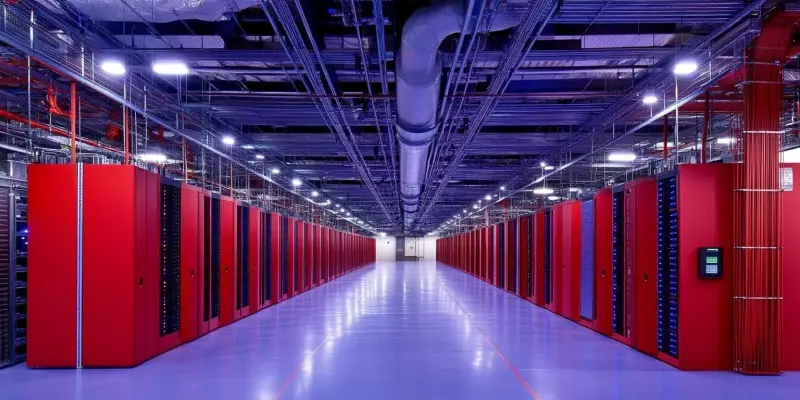
In a move that is set to significantly enhance the technology landscape and economic framework of Irving, Texas, the Irving City Council has approved incentive packages for both Microsoft Corporation and QTS Realty Trust LLC to build new data centers in the area. Microsoft plans to erect four new data centers, while QTS, a Kansas-based company, will construct three. The city has offered lucrative tax breaks as part of the deal, which aims to further cement Irving’s status as a data center hub.
Microsoft’s Expansion Plans
Microsoft’s ambitious development plans hinge on a 50 percent property tax abatement, which is contingent upon several milestones being met. The tech giant is required to enter into 15-year leases on all four data centers, with two centers operational by 2024 and the remaining two by 2026. Additionally, Microsoft must occupy at least 500,000 square feet of data center space by 2026 and increase the property value by $200 million by 2027. These developments are expected to significantly boost local infrastructure and economic activity in Irving.
The incentive package underscores the city’s commitment to fostering a robust tech ecosystem. By meeting these conditions, Microsoft not only benefits from tax relief but also plays a crucial role in advancing Irving’s reputation as a prime location for data center operations. This move is also anticipated to generate numerous jobs and foster sustained urban development in the region. With Microsoft already having a strong presence in Texas, primarily in San Antonio, this new venture further consolidates its investment in the state.
QTS Realty Trust’s Endeavors
Similar to Microsoft, QTS Realty Trust is also benefiting from substantial tax incentives to drive its development projects. QTS must utilize at least 500,000 square feet of space by 2028 and invest a minimum of $350 million by January 2029. These conditions are tied to their existing projects, which include DC3, a 415,900 square foot data center situated at their 55-acre campus, and DC1&2, which collectively span 700,000 square feet and boast significant power capabilities.
Moreover, QTS is in the midst of developing two additional facilities on Longhorn Drive, designated as DC5 and DC6. These projects are part of a broader strategy to expand its data center footprint in the region. Beth Bowman, president, and CEO of the Greater Irving-Las Colinas Chamber of Commerce, accentuated that these developments are a testament to the city’s enduring commitment to economic growth and quality of life improvements.
Both companies have extensive plans to elevate their operational capacities within Irving, thus bolstering the local tech infrastructure and economy. QTS’s current expansions in Texas, in cities such as Fort Worth and San Antonio, reflect its broader strategy to scale its data center operations across the state. Owned by Blackstone, QTS’s growth in Texas represents a pivotal step in enhancing its market position and capabilities.
Strategic Impact on Economic Fabric
In a strategic move that promises to greatly enhance the technological landscape and bolster the economic framework of Irving, Texas, the Irving City Council has approved incentive packages for two major companies: Microsoft Corporation and QTS Realty Trust LLC. These packages will facilitate the construction of new data centers in the region. Microsoft has ambitious plans to establish four new data centers, while QTS, a company based in Kansas, intends to build three. To incentivize these developments, the city has offered attractive tax breaks as part of the agreement. This initiative aims to solidify Irving’s reputation as a central hub for data centers. By attracting such significant investments, the city of Irving hopes to stimulate job creation, economic growth, and technological advancements in the area. The presence of these data centers from prominent companies like Microsoft and QTS is expected to have a long-lasting positive impact on the community, further driving its progress and development in the digital era.