

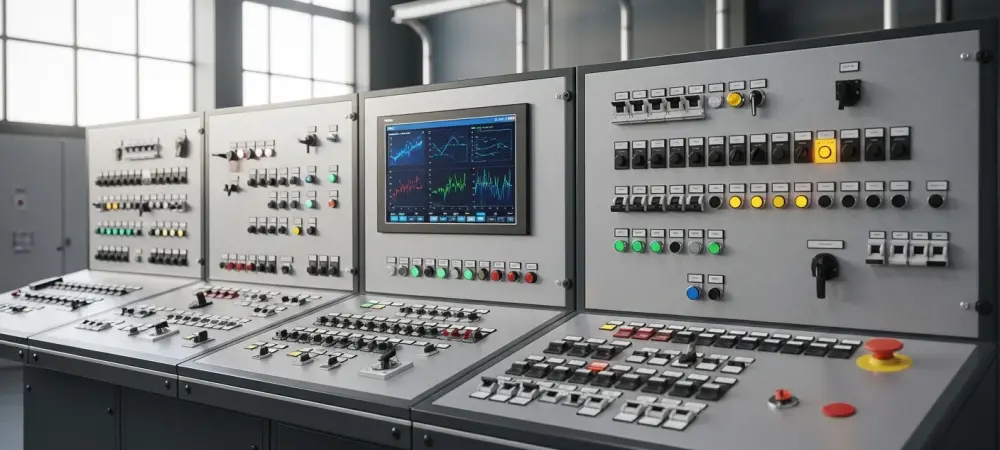
A silent war is currently being waged within the digital circuitry that keeps American cities functioning, as state-sponsored actors increasingly set their sights on the physical hardware governing our daily lives. This aggressive shift in cyber strategy moves beyond mere data theft, focusing instead on the disruption of tangible infrastructure. Specifically, Allen-Bradley programmable logic controllers (PLCs) have emerged as the primary focal point of these incursions. These devices act as the brain of industrial machinery, and their compromise could mean the difference between a functional utility and a widespread public crisis.
The Growing Vulnerability of American Industrial Control Systems
Recent investigations reveal that the systemic risks facing critical infrastructure have reached a boiling point due to persistent state-sponsored operations. Because these controllers are embedded deep within US borders, they represent a high-stakes target for foreign adversaries looking to exert geopolitical pressure. When tensions rise in the Middle East or elsewhere, the frequency and intensity of these digital probes often follow a predictable and dangerous upward trajectory. The vulnerability stems not just from the hardware itself, but from its ubiquity across the national landscape. As these systems become more integrated with the open web, the buffer between a secure facility and a remote attacker continues to shrink. This interconnectedness, while efficient for business, creates a massive surface area for those seeking to cause physical harm or economic instability.
Background on State-Sponsored Threats to Critical Infrastructure
The historical shift from traditional espionage to the direct targeting of physical machinery marks a turning point in modern warfare. Previously, hackers sought classified documents or intellectual property; today, they seek control over valves, switches, and turbines. Rockwell Automation’s significant market dominance in North America explains why a high concentration of vulnerable systems exists specifically within the United States. Maintaining industrial cybersecurity is no longer just a technical requirement for IT departments; it has become a cornerstone of national security and public safety. If a state actor can manipulate a PLC, they effectively hold the power to disrupt the water supply or the energy grid without ever setting foot on American soil. This reality necessitates a serious reevaluation of how we protect the hidden components of our modern society.
Research Methodology, Findings, and Implications
Methodology
Researchers utilized internet-wide scanning tools to map out exposed industrial assets across the globe. By analyzing device-specific metadata, the team was able to pinpoint manufacturer-specific vulnerabilities that are often overlooked by standard security audits. This process involved a granular look at how these devices are connected, specifically focusing on the rise of non-traditional entry points. The investigation paid close attention to remote deployment methods, such as cellular modems and satellite terminals like Starlink. These technologies are frequently used to manage assets in hard-to-reach areas, yet they often lack the robust security protocols found in centralized corporate networks. Mapping these connections allowed the researchers to see exactly how an attacker might bypass a traditional perimeter.
Findings
The data uncovered a staggering reality: nearly 5,000 industrial devices are currently at risk globally, with a massive 3,900 of those located within the United States. This concentration highlights a specific geographic weakness that foreign entities are actively exploiting. Many of these units were found to be accessible through insecure and outdated protocols, including Telnet, HTTP, and FTP.
Furthermore, the evidence suggests that remote deployments are a significant weak link. Because these devices often sit outside the protection of a standard corporate firewall, they are essentially “visible” to anyone with the right scanning tools. The discovery of these exposed nodes provides a clear roadmap for how state-sponsored groups have managed to gain a foothold in sensitive sectors.
Implications
The potential for catastrophic physical disruption is the most pressing implication of these findings. If an adversary gains control over water treatment or manufacturing processes, the fallout could involve both economic ruin and the loss of life. There is now an urgent need for a paradigm shift regarding how remote industrial assets are monitored and connected to the broader internet.
Private sector entities are facing increased pressure to align their internal security measures with federal standards. As the line between private industry and national defense blurs, companies can no longer afford to treat cybersecurity as a secondary concern. The research suggests that without immediate intervention, the window for securing these systems may soon close.
Reflection and Future Directions
Reflection
Securing legacy hardware remains one of the most difficult challenges in our hyper-connected world. Many of these industrial controllers were designed decades ago, long before the threat of state-sponsored hacking was a reality. Consequently, they lack the internal processing power to support modern encryption or complex security software, leaving them inherently exposed.
The difficulty is compounded by the geographic isolation of many units, making manual patching a logistical nightmare. While collaboration between government agencies and private firms has improved, the sheer scale of the problem often outpaces the resources available for mitigation. It is a race against time to shield these aging components from sophisticated modern threats.
Future Directions
Moving forward, the industry must embrace “secure by design” principles, ensuring that new hardware is built with inherent protections. Researchers are currently exploring automated detection systems that can identify the subtle signs of state-sponsored lateral movement within a network. These tools could provide the early warning necessary to stop an attack before it reaches the physical execution phase. Another promising avenue involves the implementation of zero-trust architecture for decentralized infrastructure. By requiring constant verification for every connection, regardless of its origin, organizations can neutralize the advantage hackers gain through exposed cellular or satellite links. This shift would fundamentally change the security landscape for remote assets.
Strengthening the Digital Defenses of Essential Public Services
The recent findings demonstrated a clear and immediate need to disconnect critical controllers from the public internet entirely. Experts concluded that relying on obscurity or basic passwords was no longer a viable defense against determined state actors. Instead, the move toward secure gateways and the mandatory implementation of multifactor authentication became the new baseline for industrial safety.
Organizations began to realize that digital hygiene was the most effective weapon against disruption. By utilizing robust firewalls to block unauthorized traffic and replacing hardware that could not support updates, they managed to close many of the gaps identified in earlier scans. This proactive stance was essential for ensuring that public services remained resilient in the face of evolving geopolitical threats.