
iQOO Z10 Lite 5G: Launching with Massive 6000mAh Battery

Article Highlights
Off On

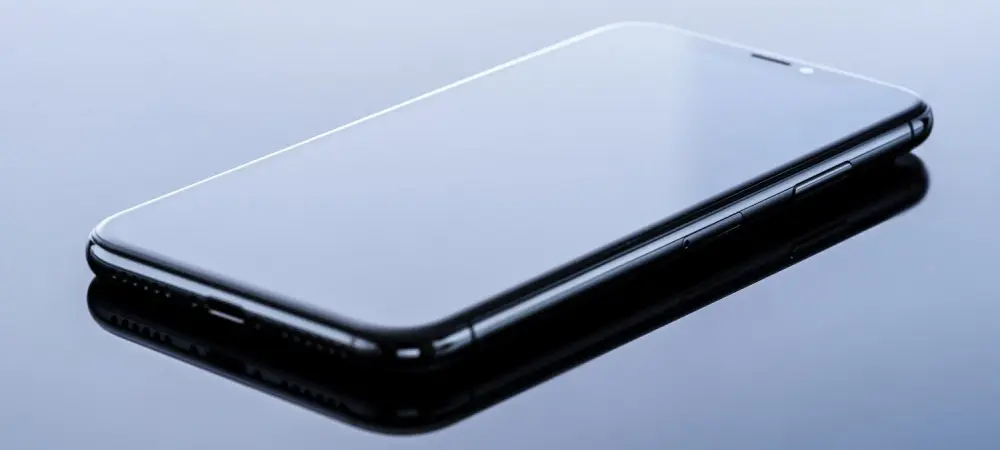
Set to make waves in the Indian smartphone market, the eagerly awaited iQOO Z10 Lite 5G prepares for its official launch on June 18. As a comprehensive blend of affordability and innovation, this model accompanies the previously released iQOO Z10 and iQOO Z10x. Notably, the iQOO Z10 Lite 5G hosts a substantial 6,000mAh battery, distinguishing it as a leader within its price range by offering a remarkable battery life under Rs. 10,000. The design demonstrates an elegant aesthetic with a dual rear camera setup, organized vertically in a pill-shaped module, while housing its volume and power controls on the right edge. This strategic release by iQOO highlights the brand’s continued focus on delivering superior battery performance at an accessible price point, striving to elevate consumer experiences in an increasingly competitive landscape.

Innovation in Affordable Smartphone Technology

The iQOO Z10 Lite 5G’s placement in the market as a budget-friendly option with comprehensive features marks a tactical move by iQOO to simultaneously captivate tech-savvy consumers and budget-conscious buyers. Its main competitors, the Z10 and Z10x, come equipped with batteries of 7,300mAh and 6,500mAh respectively, showcasing iQOO’s emphasis on significant battery capacities. Alongside the impressive battery, the Z10 series offers advanced features, including a 50-megapixel dual rear camera and an 8-megapixel front camera, catering to photography enthusiasts. Additional functionalities, such as in-display and side-mounted fingerprint sensors, enhance security and ease of use. Available through Amazon, the Z10 Lite’s streamlined purchasing process reflects a user-friendly approach. This product represents iQOO’s strategy to captivate a greater market share by bundling high value with an affordable smartphone package, driving consumer interest and fostering brand loyalty.

Explore more

Hotels Must Rethink Recruitment to Attract Top Talent

With decades of experience guiding organizations through technological and cultural transformations, HRTech expert Ling-Yi Tsai has become a vital voice in the conversation around modern talent strategy. Specializing in the integration of analytics and technology across the entire employee lifecycle, she offers a sharp, data-driven perspective on why the hospitality industry’s traditional recruitment models are failing and what it takes

Trend Analysis: AI Disruption in Hiring

In a profound paradox of the modern era, the very artificial intelligence designed to connect and streamline our world is now systematically eroding the foundational trust of the hiring process. The advent of powerful generative AI has rendered traditional application materials, such as resumes and cover letters, into increasingly unreliable artifacts, compelling a fundamental and costly overhaul of recruitment methodologies.

Is AI Sparking a Hiring Race to the Bottom?

Submitting over 900 job applications only to face a wall of algorithmic silence has become an unsettlingly common narrative in the modern professional’s quest for employment. This staggering volume, once a sign of extreme dedication, now highlights a fundamental shift in the hiring landscape. The proliferation of Artificial Intelligence in recruitment, designed to streamline and simplify the process, has instead

Is Intel About to Reclaim the Laptop Crown?

A recently surfaced benchmark report has sent tremors through the tech industry, suggesting the long-established narrative of AMD’s mobile CPU dominance might be on the verge of a dramatic rewrite. For several product generations, the market has followed a predictable script: AMD’s Ryzen processors set the bar for performance and efficiency, while Intel worked diligently to close the gap. Now,

Trend Analysis: Hybrid Chiplet Processors

The long-reigning era of the monolithic chip, where a processor’s entire identity was etched into a single piece of silicon, is definitively drawing to a close, making way for a future built on modular, interconnected components. This fundamental shift toward hybrid chiplet technology represents more than just a new design philosophy; it is the industry’s strategic answer to the slowing