

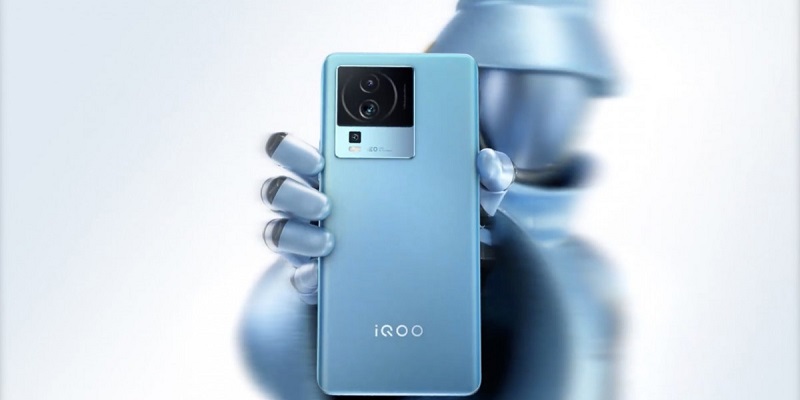
Vivo, the Chinese smartphone manufacturing giant, is all set to launch its new Neo smartphones on May 23rd. This time, Vivo is set to introduce the Pro version for the Neo phones, which has never been done before in the history of Neo phones. The new smartphone is expected to offer some of the most advanced features and specifications, making it one of the most exciting smartphone launches of the year.
Here are some highlights of the new Neo smartphone.
Pro version for the Neo phones
The new Vivo Neo smartphone will have a Pro version, which is a first for Neo phones. This Pro version is expected to come with advanced features and specifications that are not available in the standard version. It is expected to attract smartphone enthusiasts who want to try the latest technology and features available in the market.
The official teasers from Vivo reveal that the new Neo smartphones will be powered by MediaTek’s Dimensity 9200+ chipset, which is currently one of the best smartphone chipsets available in the market. Additionally, Vivo has integrated its own Vivo V1+ ISP which promises superior camera performance and image processing capabilities.
Camera Setup
One of the most impressive aspects of the new Neo smartphone is its camera setup. The phone will have three shooters, and for the first time, the camera island design is visually more pleasing than ever before. Unlike the chaotic arrangement of the previous Neo 7 series, the new design is expected to be more elegant and user-friendly. The main camera will also have Optical Image Stabilization (OIS), ensuring that the photos and videos captured by the phone will be stable and professional-looking.
Memory and storage
According to the official website, there will be a 12GB RAM and 256GB storage combination, which is more than enough to store all your important files, documents, photos, and videos.
Compatibility with Neo gadgets
The new Neo smartphone will be compatible with Neo gadgets such as a side-mounted gaming pad or an air-cooling attachment. This compatibility ensures that you can enjoy smooth and lag-free gaming without the phone overheating.
The rumors of the iQOO Neo 8 series arriving this month were confirmed when Vivo made an official announcement. This adds more credibility and excitement to the launch of the new Vivo Neo smartphone.
There are certain features that have not been confirmed yet whether they will only be available for the iQOO Neo 8 Pro or both versions. This only adds to the excitement and curiosity surrounding the new Vivo Neo smartphone, leaving enthusiasts wondering what features the Pro version will have that the standard version won’t.
Details and specifications to be revealed
The event on May 23 is expected to reveal more details, specs, and features about the upcoming Vivo smartphones. This is anticipated to unveil even more impressive features and capabilities of the new phone.
Focus on design
This time, Vivo seems to be putting more emphasis on the design of the camera setup and the back panel of the phone. The hero color for the back panel will be red leather, which is expected to provide a better grip and handling, making the phone more ergonomic and user-friendly.
The upcoming launch of the new Vivo Neo smartphone with a Pro version and impressive features has created a buzz among smartphone enthusiasts. The elegant design, advanced chipset, superior camera setup, and impressive compatibility with Neo gadgets promise to provide an unforgettable smartphone experience. There are only two weeks left until the event in which we expect Vivo to reveal more details, specs, and features. Smartphone enthusiasts are eagerly waiting for the launch to see what Vivo has in store.