

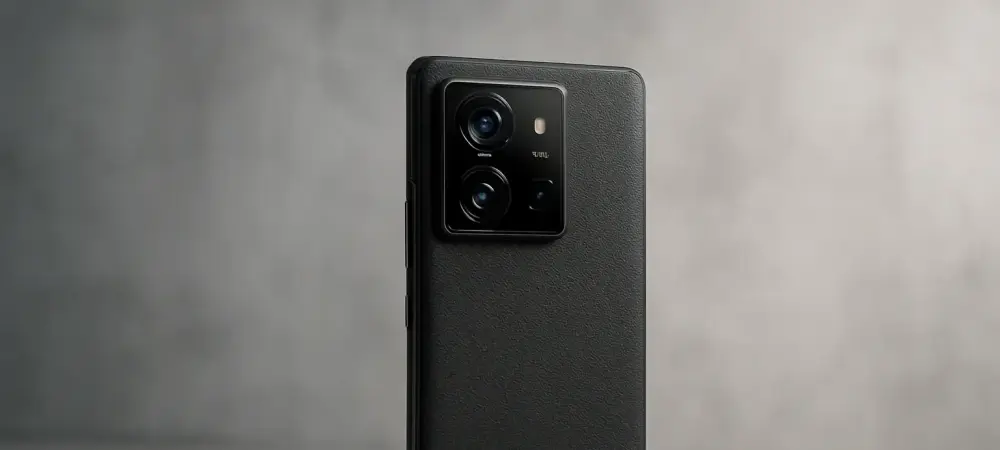
With the mobile gaming landscape becoming more competitive than ever, manufacturers are pushing the boundaries of what a smartphone can be. We sat down with Dominic Jainy, a leading analyst in consumer technology and gaming hardware, to dissect the upcoming iQOO 15 Ultra. Our conversation explores the intricate engineering behind its pro-grade shoulder triggers, the raw power suggested by its benchmark scores, and how these features combine to create a device aimed squarely at the serious gamer.
The iQOO 15 Ultra uses capacitive shoulder triggers with haptic feedback. How does this setup aim to replicate the feel of physical buttons, and what specific ergonomic considerations influenced their placement? Could you walk us through the design process for achieving that “natural rest” position?
The goal here is to bridge the gap between the sleekness of a smartphone and the tactile satisfaction of a dedicated controller. The magic is in the synergy between the capacitive surface and the linear motor. When you touch the trigger, the motor generates a precise, sharp vibration that mimics the ‘click’ of a physical button. It’s not a vague buzz; it’s a focused haptic confirmation that your input was registered. As for the placement, achieving that “natural rest” position is a meticulous process. Engineers study how gamers hold their devices during intense sessions, mapping the exact points where index fingers land without causing strain. The triggers are placed on the side edges of the frame precisely in those zones, ensuring that using them feels intuitive and comfortable, not like an awkward reach.
With a 600Hz sampling rate and dual independent chips dedicated to the shoulder triggers, what engineering challenges did you overcome to minimize input delay? Could you quantify the reduction in latency and explain how this translates into a tangible advantage for competitive gamers?
The primary challenge is processing the input signal from your finger to the game engine with virtually zero delay. A 600Hz sampling rate means the phone is checking for your touch 600 times every second, which is incredibly fast. The real innovation, however, is the use of dual independent chips. Think of it like this: instead of a single pipeline handling both left and right trigger inputs, you have two separate, dedicated pathways. This parallel processing architecture is key to minimizing input delay because the instructions are transmitted simultaneously. For a competitive gamer, this is a game-changer. It’s the difference between firing your weapon the exact instant you decide to and experiencing a micro-second of lag that gets you eliminated. It translates to a feeling of being perfectly in sync with the on-screen action.
The shoulder triggers will support custom mapping for combos and shortcuts. How deeply can users customize these functions, and what is the step-by-step process for setting them up? Also, could you explain the technology behind the “anti-sweat” algorithm and how it maintains input accuracy?
The customization is designed to be both deep and intuitive. Typically, a gamer would enter a game, bring up an overlay menu, and then simply drag and drop on-screen controls—like aiming, shooting, or using a special ability—onto the virtual representations of the left and right shoulder triggers. You can map single actions or even create macros for complex combos, turning a multi-tap sequence into a single, fluid press. The “anti-sweat” algorithm is a clever piece of software engineering that addresses a common problem for serious gamers. It constantly calibrates the touch sensitivity to differentiate between an intentional, firm press and the erratic electrical signals caused by moisture. It ensures that even when your palms get sweaty during a tense final-round showdown, the triggers won’t misfire or fail to register a command, maintaining flawless accuracy.
The device posted a preliminary AnTuTu score over 4.5 million in internal testing. Beyond these benchmarks, what specific hardware optimizations and software enhancements contribute to this level of performance, particularly in managing heat and sustaining frame rates during long gaming sessions?
A score of 4,518,403 is absolutely staggering, and while the CPU and GPU are clearly top-tier, that number is impossible to achieve without a holistic approach to performance. A powerful chipset is one thing, but sustaining that power is another. This requires an advanced thermal management system—likely a combination of vapor chambers, graphite sheets, and intelligent software—to aggressively dissipate heat away from the core components. On the software side, you’ll have a dedicated “game mode” that optimizes the system by allocating maximum CPU and GPU resources to the game, while also managing background processes to prevent interruptions. The goal is to avoid thermal throttling, ensuring that the frame rate you get in the first minute of a match is the same one you have an hour later.
What is your forecast for mobile gaming hardware?
I believe we’re moving past the era of just cramming more raw power into phones. The future is about specialization and creating a more symbiotic relationship between the hardware and the gamer. We’ll see more sophisticated and integrated controls, like these haptic shoulder triggers, becoming standard on gaming-focused devices. AI will play a huge role, with processors dedicated to predicting player needs, optimizing network latency, and dynamically adjusting performance to conserve battery without sacrificing frame rates. The focus will shift from just high benchmark scores to delivering a consistently smooth, immersive, and tactile experience that truly rivals traditional consoles.