

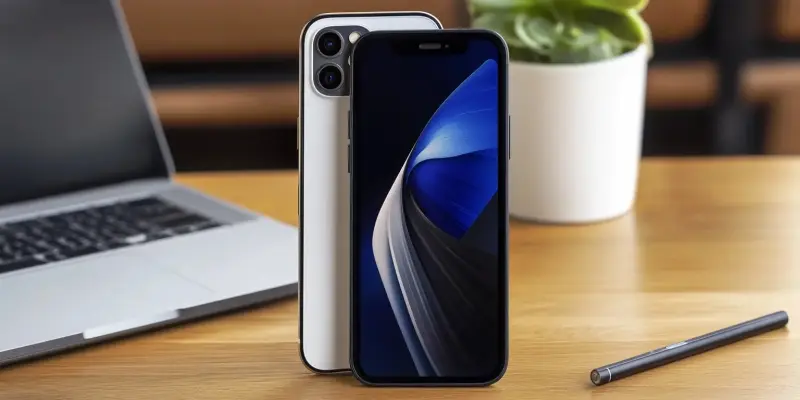
The world of tech modifications has reached a new height with the fascinating hardware project where an iPhone SE 3’s advanced internals are ingeniously transplanted into the classic body of a Nokia Lumia 1020. This hybrid creation, known as the “NokiApple LumiPhone 1020 SE,” marries the timeless design of the Lumia with the cutting-edge technology of Apple’s latest hardware. Enthusiasts were drawn to the project due to the age-old allure of the Lumia’s design while seeking the performance enhancements of a modern smartphone.
Modern Technology Meets Nostalgic Design
In terms of hardware, the project involved integrating the iPhone SE 3’s A15 Bionic chip and 128GB storage into the Lumia’s polycarbonate unibody, ensuring durability with a familiar, sleek aesthetic. For a seamless appearance, the iPhone’s LCD screen was re-laminated onto the Lumia’s front glass, making it difficult to distinguish initially between the original Lumia screen and the new modification. This transformation required complex technical skills to preserve not only the exterior design but also to provide a functional and smooth user experience with iOS running effectively within a Nokia casing.
Though the device externally retains its Lumia façade, it functions entirely on Apple’s iOS, delivering a contemporary smartphone experience. Despite the effort to maintain the Lumia’s aesthetic, some practical compromises had to be made. For instance, the Lumia’s classic shutter button was converted into a volume-down button, which highlights the adaptability of the project in coping with design limitations. Further, the Lumia’s capacitive buttons were entirely removed, emphasizing a shift in usability preferences over retaining original features.
Functional and Design Adjustments
A noteworthy alteration was replacing the Lumia’s original 41MP camera with the iPhone SE’s sophisticated 12MP shooter. While this might appear as a downgrade in megapixels, the newer iPhone technology indeed offers a superior photographic experience. The rear of the Lumia, renowned for its distinguished camera module, now houses a Touch ID sensor, contributing to an unexpected yet practical blend of aesthetics.
To align with contemporary standards, the micro USB port was also swapped out in favor of a Lightning port, though opinions remain split on the necessity of this upgrade. Indicative of additional functional modifications, the Lumia’s headphone jack was sealed off, a move that some might find controversial but understandable given the trend towards wireless audio solutions.
Conclusion: Reviving the Lumia Legacy
Tech enthusiasts have taken hardware modifications to a new level with an intriguing project that combines an iPhone SE 3’s advanced internals with the classic exterior of a Nokia Lumia 1020. This innovative hybrid, dubbed the “NokiApple LumiPhone 1020 SE,” seamlessly blends the timeless, sleek design of the Lumia with the cutting-edge performance of Apple’s latest technology. Fans are captivated by this project as it offers the perfect fusion of nostalgia and modern functionality. By transplanting the powerful, modern internals of the iPhone SE 3 into the Lumia body, this project breathes new life into the classic device. This fusion provides users with the best of both worlds: the elegant, ergonomic design of the Lumia and the powerful performance and updated features of the iPhone SE 3. This project is a testament to the creativity and ingenuity of tech enthusiasts, showcasing their ability to blend old favorites with state-of-the-art technology.