

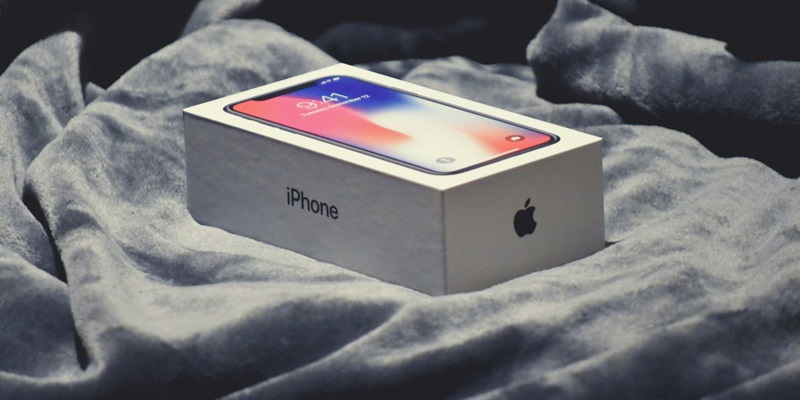
The forthcoming iPhone SE 4 is set to introduce significant upgrades to Apple’s budget-friendly lineup, according to a recent report by The Elec. With rumors suggesting an early 2025 release, the iPhone SE 4 will feature an OLED display similar to those found in the iPhone 13 and 14, marking a notable improvement over its predecessors’ 4.7-inch LCD panels.
Anticipated Upgrades Elevate the SE Series
The key upgrades for the iPhone SE 4 extend beyond the 6.06-inch OLED display. The device is rumored to include a 48 MP rear camera, Face ID, and an ‘Action Button’ similar to the one introduced with the iPhone 15 Pro series. These enhancements signal Apple’s broader trend of incorporating features from its premium models into more accessible devices, thereby expanding their appeal among budget-conscious consumers.
Another significant highlight is Apple’s partnership with LG Display as a secondary supplier for the OLED panels, alongside primary supplier BOE. This strategic decision mitigates potential supply chain issues, especially given BOE’s past struggles with meeting high-volume demands.
Early 2025 Release and Market Positioning
The iPhone SE 4’s early 2025 release is poised to bring noteworthy hardware and feature upgrades, positioning it as a strong contender in the budget smartphone market. While these advancements could significantly enhance user experience, the reception among price-sensitive consumers will heavily depend on Apple’s pricing strategy.
Notably, the iPhone SE 4 is expected to be powered by the A18 SoC, a noteworthy upgrade that will push its performance closer to current-generation iPhones. The inclusion of an advanced camera system and Face ID further underscores Apple’s dedication to enhancing security and photographic capabilities in its affordable lineup.
Democratizing Advanced Technology
Overall, the iPhone SE 4 represents a substantial step forward in Apple’s strategy to democratize advanced technology. By repurposing components from older models, Apple aims to deliver modern features at reduced costs without compromising on quality. This approach aligns the SE series closer to its flagship counterparts, offering a compelling choice for budget-conscious consumers.
Pricing and Consumer Reception
The upcoming iPhone SE 4 is gearing up to bring substantial enhancements to Apple’s more budget-conscious lineup, according to a recent report by The Elec. Rumor has it that this new model will debut in early 2025, offering several compelling features. One of the most significant changes is the transition to an OLED display, similar to those used in the iPhone 13 and iPhone 14 models. This is a major step up from the 4.7-inch LCD panels found in the earlier iPhone SE versions. The shift to OLED technology promises not only better color accuracy and contrast but also improved power efficiency, making the phone more reliable for extended use. Additionally, the new display technology could likely be accompanied by other advancements in processing power, camera capabilities, and battery life, making the iPhone SE 4 a worthy upgrade that could attract a wide array of users looking for high-quality features in a more affordable package. With these rumors circulating, anticipation is certainly building for this latest addition to the iPhone SE family.