

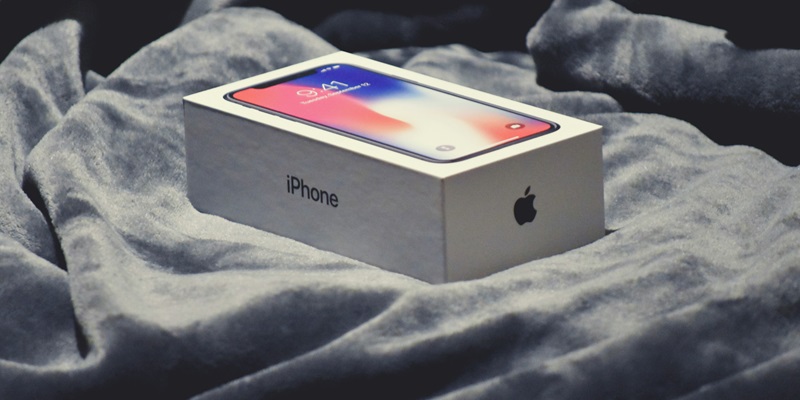
The tech world buzzes with speculation as Apple’s forthcoming iPhone SE 4 looms on the horizon, rumored to showcase significant advancements over its predecessors. According to insights from Nikkei Japan, the new iPhone SE 4 is expected to grace the market early next year, making waves for its anticipated OLED display. If confirmed, this shift would mark a significant departure from the traditional use of LCD panels in Apple’s lower-end iPhone models, thereby ending a longstanding era of LCD screens supplied by Japanese manufacturers Japan Display (JDI) and Sharp. The reduction in LCD panel shipments, which have plummeted by 90% from 2015 to 2023, underscores this potential pivot.
The Shift to OLED
Collaborations with New Display Suppliers
Apple’s rumored transition to OLED for the iPhone SE 4 also highlights changing dynamics within its supply chain. The company is reportedly in discussions with BOE Technology Group in China and LG Display in South Korea to secure these high-end screens. This strategic move aligns with Apple’s broader objective to standardize cutting-edge display technology across all its smartphone offerings. By doing so, Apple aims to elevate the visual quality and performance of even its budget-friendly devices, matching the superior standards set by its flagship models.
BOE and LG Display are renowned for their advancements in OLED technology, making them fitting partners for Apple’s envisioned future. This collaboration signifies a broader trend within the tech industry where major companies strive to integrate the best possible technology into every tier of their product lines. For Apple, the inclusion of OLED in the iPhone SE 4 would mean that users of the more affordable model would no longer have to compromise on display quality for the sake of price. This move could potentially set a new benchmark in the market for budget smartphones.
Economic and Strategic Realignments
This rumored shift also signals substantial economic and strategic realignments within Apple’s supply chains. Historically reliant on Japanese suppliers for LCD panels, Apple’s reduced orders from JDI and Sharp point toward an evolving preference for advanced display technologies. Between 2015 and 2023, shipments from these suppliers to Apple have decreased dramatically, dwindling from 200 million to just 20 million units. This decline not only highlights a shift in technological preference but also implies significant economic ramifications for these suppliers.
The potential termination of these deals indicates a clear evolution in Apple’s strategic direction. By fostering relationships with BOE and LG Display, Apple is not solely focusing on advancing its technology but is also redefining its supply chain dynamics. This move may prompt other tech giants to reassess their supply chain strategies, especially those reliant on older technologies. While the real-world implications of these changes will unfold over time, Apple’s rumored adoption of OLED across all its iPhone models underscores a pivotal shift towards more advanced, uniform technology standards.
Modernizing the SE Line
Enhanced User Experience
A key theme within the speculation surrounds the modernization of Apple’s SE line, traditionally considered budget-friendly but technologically a step behind its flagship counterparts. If the rumors hold true, the integration of OLED displays into the iPhone SE 4 would represent a major technological leap for the series. This shift would ensure that even Apple’s more affordable smartphones offer a high-standard visual experience, further blurring the lines between budget and premium categories.
Implementing OLED technology universally across all iPhone models aligns with Apple’s overarching trend of incorporating advanced features uniformly throughout its product lineup. This ensures that regardless of price point, users receive a consistent, high-quality experience. For consumers, this means accessing superior display technology at a lower cost, which could potentially broaden Apple’s market reach and appeal. The rumored enhancements in the iPhone SE 4 signify Apple’s commitment to democratizing advanced technology, making high-quality displays accessible to a wider audience.
Market Implications
The anticipated upgrades in the iPhone SE 4 not only enhance the user experience but also have notable implications for the smartphone market. By infusing the SE line with OLED technology, Apple sets a new standard for budget smartphones, potentially prompting competitors to follow suit. This could ignite a trend where advanced display technologies become a common feature across even lower-end models, thereby raising consumer expectations and industry standards.
Furthermore, the rumored changes suggest that Apple’s affordable models will no longer lag behind in crucial areas like display quality. This leveling up could position the iPhone SE 4 as a formidable competitor within the mid-range smartphone market, attracting users who previously might have opted for higher-end models. Such a development could lead to significant shifts in market dynamics, with Apple strengthening its hold on various market segments, from budget-conscious consumers to premium seekers. As these rumors continue to circulate, the tech community eagerly anticipates Apple’s official announcements and the potential transformative impact on the industry landscape.
Conclusion
The tech community is abuzz with anticipation as Apple’s upcoming iPhone SE 4 approaches its release, rumored to bring significant upgrades compared to its predecessors. According to a report from Nikkei Japan, the new iPhone SE 4 is expected to debut early next year, drawing attention due to its speculated OLED display. If this rumor proves accurate, it would mark a major shift from Apple’s traditional use of LCD panels in their budget-friendly iPhone models. This change could signify the end of an era for LCD screens provided by Japanese manufacturers Japan Display (JDI) and Sharp. The transition is underscored by a sharp decline in LCD panel shipments, which have decreased by 90% from 2015 to 2023. This expected advancement suggests that Apple is ready to adopt more advanced display technologies even in its more affordable series, raising the bar for what consumers can expect from entry-level smartphones. The future iPhone SE 4 could redefine the standard for budget phones, promising better display quality and enhanced user experience.