

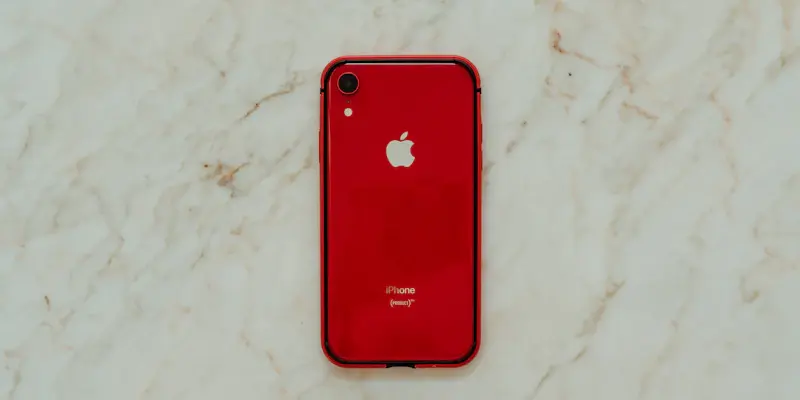
The anticipation surrounding the release of the iPhone SE 4 continues to build, with tech enthusiasts and consumers eagerly awaiting details on this next-generation budget smartphone. According to credible sources, the iPhone SE 4, slated for a March 2025 launch, is expected to start at under $500 in the US, representing a price jump of 16-17% from the iPhone SE 3’s initial $429 price. This increase has led many to speculate whether the new features and improvements justify the hike.
One of the most notable upgrades to the iPhone SE 4 is the anticipated increase in base storage capacity. Whereas the current iPhone SE 3 offers 64GB of storage, the SE 4 is expected to start at 128GB. This substantial leap in storage aligns with modern consumer needs, especially as apps, photos, and other digital assets require more space than ever before. The enhancement reflects Apple’s recognition of the increasing demand for more storage without breaking the bank.
Design and Technological Advancements
Users can also expect significant design changes with the iPhone SE 4, which may adopt a modern aesthetic closely mirroring the iPhone 14. This shift marks a departure from the traditional design elements of the SE series. The expected switch from Touch ID to Face ID underscores the advancement in security features Apple is aiming to integrate into its budget-friendly line. Additionally, the design overhaul could mean a larger, edge-to-edge display, enriching the user experience.
Another crucial improvement lies in the device’s technological components. The iPhone SE 4 is likely to feature an Apple-designed Wi-Fi and 5G chip. Not only could this integration streamline production and reduce costs, but it may also enhance performance and connectivity for users. However, it remains uncertain whether these cost reductions from production advances would be passed on to the consumer or if they will result in an improved margin for Apple.
International Pricing Variability
The impending launch also raises questions about how the iPhone SE 4’s pricing will be perceived internationally. Variables such as local currencies, economies, and import tariffs can significantly affect pricing. For instance, in South Korea, the starting price for the iPhone SE 4 could exceed 800,000 won, up from the current 650,000 won for the SE 3. These disparities underscore how economic factors can shape consumer expectations and acceptance of new tech products globally.
Despite the projected price increases, the consensus among analysts is that the iPhone SE 4 will offer a suite of modern features at a relatively affordable rate. While the initial cost may be steeper, the enhanced storage capacity, design evolution, and incorporation of advanced technology indicate a significant leap forward in what consumers can expect from a budget-friendly iPhone. The real test will lie in how well these new features are received in various markets and whether they justify the additional cost for the average consumer.