

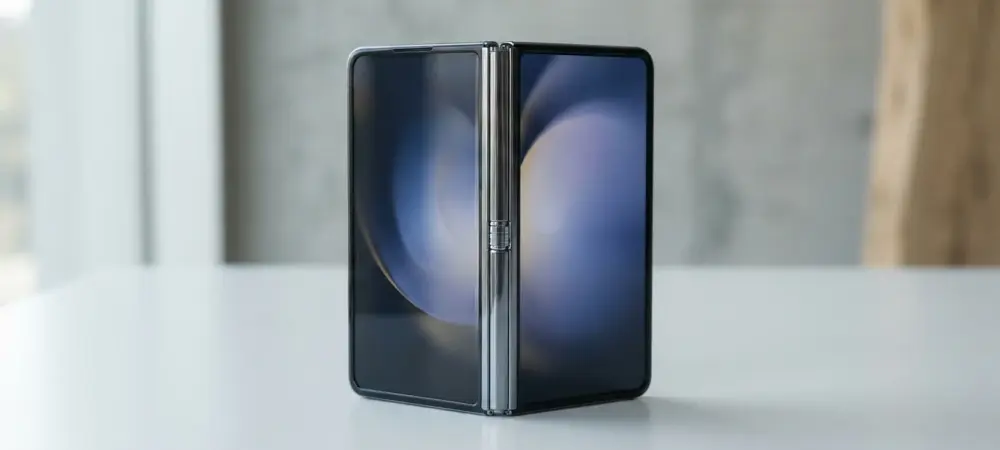
The long-awaited transition of the most iconic smartphone brand into the realm of foldable hardware was meant to redefine luxury, yet the iPhone Duo has instead sparked a high-stakes conversation regarding the physical limits of flexible materials. This entry into the market was intended to silence critics who argued that Apple had fallen behind competitors, but the debut has been overshadowed by reports of structural fragility. Instead of focusing on the fluid integration of software and hardware, the industry is now scrutinizing whether a glass-based interface can truly survive the mechanical stresses of daily use.
Introduction to Foldable Display Technology and the iPhone Duo
The move toward flexible substrates represents a significant departure from the rigid glass panels that defined the mobile industry for nearly two decades. By utilizing a plastic-reinforced OLED structure, the iPhone Duo attempts to merge the portability of a standard handset with the utility of a tablet. The branding reflects a philosophy of dual-purpose computing, aiming to eliminate the need for carrying multiple devices.
This transition involves replacing traditional glass with a polyimide-based surface that can fold thousands of times. However, maintaining the premium feel that users expect is difficult when the material must remain pliable. As a high-stakes entry in the foldable landscape, the Duo must prove that it can offer more than just a novelty factor by delivering long-term reliability.
Engineering the Foldable Experience
The High-Resolution Flexible OLED Panel
The inner panel is a marvel of material science, employing a multi-layered stack designed to bend without distorting the underlying pixel grid. Unlike previous iterations of foldable screens, this display maintains exceptional color accuracy and peak brightness levels that rival the most advanced desktop monitors. This technical achievement ensures that the crease remains virtually invisible during active content consumption.
Performance characteristics like touch sensitivity are maintained across the fold using a specialized capacitive layer. This ensures that gestures remain fluid even at the point of maximum curvature. The flexible substrate is critical here, as it must absorb the energy of a fold without causing the layers to delaminate or lose electrical connectivity over time.
The Precision Hinge and IP68 Sealing
Beneath the screen lies a complex mechanical hinge that uses a series of interlocking gears to manage the tension of the fold. Apple succeeded in achieving an IP68 rating, a feat that required innovative internal gaskets to prevent liquid and dust from compromising the moving parts. This architectural rigidity allows the device to stay open at various angles, transforming the lower half into a virtual keyboard or a control deck.
The integration of water resistance into a moving hardware architecture is a notable differentiator from many competitors. However, the hinge-driven interface introduces its own set of mechanical risks. The precision required to keep the screen perfectly flat while open, yet sufficiently loose to close without damage, represents a delicate balancing act for the internal components.
Recent Hardware Failures and Emerging Quality Trends
Despite the engineering prowess on display, reports of critical hardware failures have surfaced with alarming frequency among early adopters. Users have documented instances where the central fold develops dead pixels or physical fractures, sometimes occurring after fewer than 20 opening cycles. This trend is concerning because it suggests that the failure is not a result of wear and tear, but rather a fundamental flaw in the initial batch.
The narrative has shifted quickly from excitement over software optimization to a more serious discussion regarding hardware reliability. Consumer trust is currently at a tipping point as the “small number” of affected units grows. This shift in sentiment highlights the vulnerability of premium brands when their most expensive products fail to survive even the most basic real-world usage scenarios.
Real-World Applications and Sector Impact
When functional, the Duo’s expanded real estate significantly enhances productivity, allowing for complex multitasking like side-by-side video editing and document management. This form factor has forced the app development sector to rethink user interface design, moving away from static layouts toward dynamic geometries that respond to the screen’s physical state. The device has effectively bridged the gap between mobile convenience and professional utility.
The impact on creative workflows is particularly evident in the way the device handles split-screen environments. Professionals can now monitor a live feed on one half of the screen while taking notes or adjusting settings on the other. This capability has redefined expectations for what a mobile device can accomplish in a corporate or artistic setting, pushing competitors to refine their own productivity suites.
Technical Challenges and Structural Vulnerabilities
A deeper investigation into these failures points toward mechanical stress near the “accordion cable,” where the internal wiring must stretch the most during closure. There is also evidence that small particles might bypass the exterior seals, becoming trapped beneath the panel and puncturing it from the inside out. This “debris ingress” theory suggests that even an IP68 rating cannot fully protect the fragile OLED panel from internal friction.
In response, Apple has adjusted its service policies, transitioning many hinge-related repairs from paid occurrences to standard warranty replacements under AppleCare. This move acknowledges that the pivot rails and internal mechanical stress points are more vulnerable than originally tested. It remains to be seen if these structural vulnerabilities can be solved through software warnings or if they require a total hardware redesign.
The Future of Apple’s Foldable Architecture
Looking toward 2027 and 2028, the next iterations will likely feature reinforced hinge plates and more advanced ultra-thin glass coatings. These materials are expected to provide better resistance to the micro-fractures that currently plague the Duo line. Researchers are focusing on “self-healing” polymers that can fill in microscopic cracks before they become visible to the naked eye.
The long-term viability of the Duo line depends on solving these durability issues without sacrificing the device’s slim profile. Breakthroughs in debris-wicking materials could finally solve the ingress problem that continues to haunt foldable designs. Until these structural improvements are standardized, the foldable ecosystem remains a high-risk investment for the average consumer.
Summary and Final Assessment
The iPhone Duo demonstrated that a book-style foldable could offer a superior user experience, provided the hardware remained intact. While the integration of iOS was nearly flawless, the physical vulnerabilities of the flexible panel proved to be a significant hurdle for widespread adoption. The initial release served as an expensive proof of concept that highlighted the necessity for more durable substrate materials in the premium segment. Ultimately, the industry learned that engineering a folding screen required more than just innovative hinges; it demanded a total reimagining of material durability. Future designs will need to prioritize structural integrity over aesthetic thinness to regain consumer confidence. This release marked a turning point where the focus shifted from what a screen could do to how long it could survive doing it.