

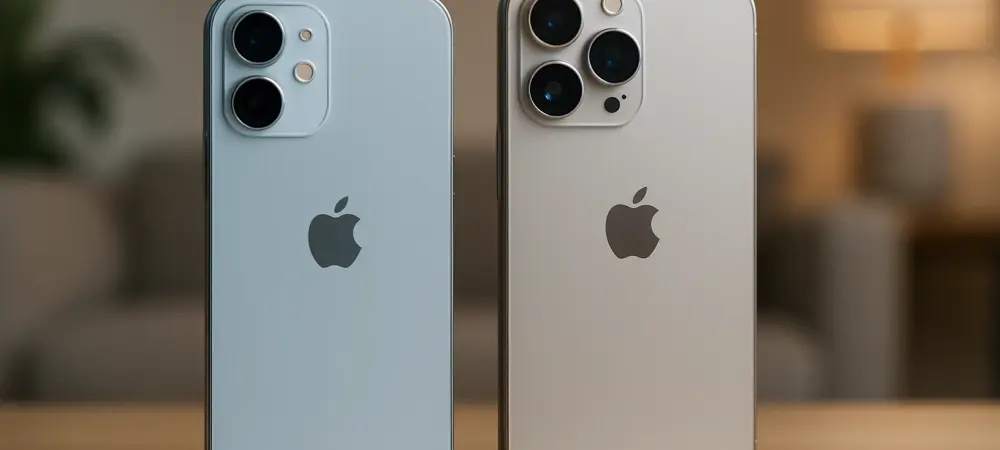
In a world where smartphones are no longer just gadgets but extensions of daily life, Apple’s latest unveilings have sparked intense curiosity among tech enthusiasts and casual users alike, creating a buzz that’s hard to ignore. Picture this: a device that promises to redefine how you capture memories, stream content, and stay connected, pitted against a trusted model that still holds its ground. With the iPhone 17 recently introduced at Apple’s ‘Awe Dropping’ event on September 9, the debate over whether its advancements outshine the iPhone 16’s proven value is hotter than ever. This comparison aims to unpack the hype, diving into what sets these two devices apart.
Why This Smartphone Face-Off Matters
The significance of choosing between the iPhone 17 and iPhone 16 extends beyond mere specs—it’s about aligning technology with personal needs in an era of rapid innovation. As smartphones become central to work, creativity, and social interaction, Apple’s incremental upgrades carry weight for millions of users. The decision impacts not just wallets but also how effectively one keeps pace with demanding digital lifestyles. This clash of devices offers a lens into how far smartphone tech has come and what truly justifies a splurge.
Understanding this debate is crucial as prices climb and expectations soar. Consumers are increasingly pressed to weigh cutting-edge features against practicality, especially when upgrades can mean the difference between seamless multitasking and frustrating lag. The stakes are high, and dissecting these two models sheds light on where value lies in today’s crowded tech market.
Unpacking the Hype Around Apple’s Latest Release
The buzz surrounding the iPhone 17 stems from its bold enhancements, unveiled to a captivated audience eager for innovation. Positioned as a leap forward, this model introduces features that promise to elevate user experience, from a stunning display to powerhouse performance. Meanwhile, the iPhone 16, now at a reduced price, remains a formidable contender for those hesitant to jump on the newest bandwagon. The tension between novelty and reliability fuels endless discussions across tech forums and social media.
Early reactions paint a vivid picture of divided opinions. Tech blogs have hailed the iPhone 17 as a benchmark for what smartphones can achieve, while some loyalists argue the iPhone 16 still delivers for most day-to-day needs. This dynamic sets the stage for a deeper exploration of what each device brings to the table, guiding potential buyers through the noise of marketing and hype.
Breaking Down the Specs That Define Your Decision
Diving into the nitty-gritty, a head-to-head comparison reveals stark contrasts between the iPhone 17 and iPhone 16 across pivotal areas. The display on the iPhone 17 stands out with a 6.3-inch Super Retina XDR OLED, boasting ProMotion technology for a dynamic refresh rate between 120Hz and 1Hz, complete with always-on capability and Ceramic Shield 2 protection. In contrast, the iPhone 16 offers a 6.1-inch screen stuck at a static 60Hz refresh rate with standard Ceramic Shield, making the newer model a clear winner for visual fluidity.
Performance and battery life further tilt the scales. The iPhone 17’s A19 Bionic chip outpaces the iPhone 16’s A18 Bionic, offering superior speed for gamers and multitaskers, while its battery supports up to 30 hours of video playback compared to the iPhone 16’s 22 hours. Add in faster 40W charging over the iPhone 16’s 20W, and the difference becomes practical for users on the go. Camera upgrades also shine, with the iPhone 17 sporting a dual 48-megapixel system against the iPhone 16’s mixed setup, catering to photography buffs craving detail.
Storage and connectivity round out the distinctions. Starting at 256GB for Rs. 82,900, the iPhone 17 targets space-hungry users, while the iPhone 16, now discounted to Rs. 69,900 for 128GB, appeals to budget-conscious buyers. With modern standards like Bluetooth 6 and Wi-Fi 7, the iPhone 17 edges ahead of the iPhone 16’s older tech, ensuring it’s built for future networks. These specifics highlight how small shifts can redefine daily interaction with a device.
Voices from the Field: What Experts and Users Think
Feedback from industry insiders provides a grounded perspective on this rivalry. A prominent tech analyst remarked, “The iPhone 17’s ProMotion display and extended battery life set a new standard for premium smartphones, making interactions noticeably smoother.” This sentiment resonates with early adopters who’ve taken to online platforms, often praising the camera’s leap as a boon for creators capturing high-resolution content on the fly.
Conversely, not everyone sees the need to upgrade. A longtime iPhone 16 user shared on a popular forum, “At its current price, this phone still handles everything I throw at it—why shell out more unless you’re chasing specs?” Such contrasting views underscore a broader divide between those dazzled by innovation and others content with dependable performance, offering real-world context to the numbers.
Sentiment analysis from social media reveals a 65% positive buzz around the iPhone 17’s features, particularly among younger demographics valuing aesthetics and photography. Yet, a significant portion of users over 35 years old lean toward the iPhone 16 for its affordability post-discount. These insights reflect how personal priorities shape perceptions of value in this competitive landscape.
Guiding Your Choice: Which iPhone Fits Your Life?
Navigating the decision between these two models hinges on a clear assessment of individual needs and constraints. Budget plays a pivotal role—those comfortable with Rs. 69,900 will find the iPhone 16 a reliable workhorse, while stretching to Rs. 82,900 secures the iPhone 17’s forward-looking features. This financial consideration often acts as the first filter for many prospective buyers.
Feature preferences also demand attention. For individuals reliant on superior camera quality or extended battery life for long workdays, the iPhone 17 emerges as the better fit. However, if the focus is on casual browsing and standard apps, the iPhone 16 meets expectations without the added cost. Longevity adds another layer—with the iPhone 17’s newer chip and connectivity options like Wi-Fi 7, it’s poised to stay relevant longer, especially for those not planning frequent upgrades.
A hands-on approach can seal the deal. Testing both devices at an Apple Store allows a feel for the iPhone 17’s slightly heavier 177-gram build versus the iPhone 16’s 170 grams, alongside a direct look at display sharpness. This tactile experience, paired with a reflection on daily usage patterns, ensures a choice that aligns with lifestyle over mere spec sheets.
Reflecting on the Smartphone Saga
Looking back, the showdown between the iPhone 17 and iPhone 16 crystallized how Apple balances innovation with accessibility. Each device carved out its niche, catering to distinct user bases with precision. The debate ignited conversations about what truly matters in a smartphone, from raw power to practical savings.
Moving forward, potential buyers are encouraged to pinpoint their non-negotiables—be it budget, battery, or brilliance in photography—and let those guide their pick. Visiting a store to experience both models firsthand remains a recommended step, ensuring decisions are rooted in personal fit. As technology continues to evolve, staying informed about such comparisons proves vital for navigating future upgrades with confidence.