

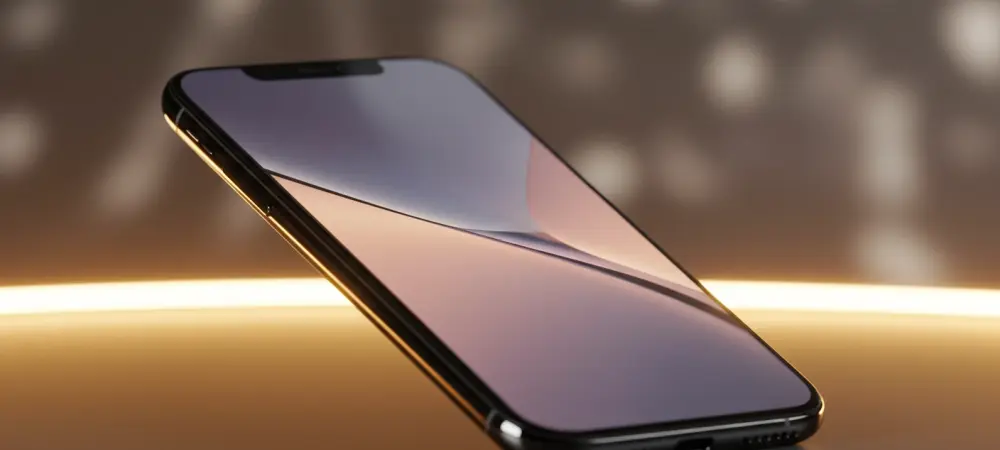
Imagine a world where your smartphone not only keeps up with your daily demands but also redefines what’s possible in mobile technology. At Apple’s much-anticipated ‘Awe Dropping’ event in California, the unveiling of the iPhone 17 series captured exactly that vision, pushing the boundaries of design and performance in the ever-competitive smartphone arena. This review delves into the nuances of the iPhone 17 and iPhone 17 Pro, exploring how these devices cater to a spectrum of users—from casual enthusiasts to hardcore professionals—while setting new benchmarks in the industry.
Unveiling Design and Display Excellence
The iPhone 17 series showcases a harmonious blend of aesthetics and durability, with both models featuring a 6.3-inch Super Retina XDR OLED display. Boasting a 120Hz refresh rate and an impressive peak brightness of 3,000 nits, the screen delivers vibrant visuals and smooth interactions, whether browsing or gaming. The upgraded Ceramic Shield 2 enhances resilience against drops and scratches, ensuring the device remains pristine even under rigorous use.
Beyond the display, Apple maintains a consistent form factor across the iPhone 17 and iPhone 17 Pro, emphasizing a sleek, premium look that feels familiar yet refined. This design uniformity not only streamlines user experience but also reinforces Apple’s commitment to a cohesive aesthetic, making the devices instantly recognizable as part of its iconic lineup. Such attention to detail in build quality sets a high standard for competitors.
Powerhouse Performance and Chipset Breakthroughs
Under the hood, the iPhone 17 series offers distinct performance tiers tailored to varied needs. The standard iPhone 17 is equipped with the A19 chipset and 8GB of RAM, providing ample power for everyday tasks like streaming, social media, and light multitasking. This configuration ensures a seamless experience for most users without overwhelming complexity.
In contrast, the iPhone 17 Pro steps up with the A19 Pro chipset, 12GB of RAM, and a vapor chamber cooling system, designed for intensive workloads such as gaming and professional app usage. This advanced setup handles demanding tasks with ease, maintaining performance during prolonged sessions. The difference highlights Apple’s intent to cater to both general consumers and power users with precision.
These performance distinctions are further complemented by the latest iOS 26, which optimizes efficiency across both models. The software integration ensures that whether a user opts for the standard or Pro variant, the experience remains fluid, secure, and packed with cutting-edge features, showcasing Apple’s knack for balancing hardware and software synergy.
Camera Capabilities: From Casual to Cinematic
Photography enthusiasts will find much to appreciate in the iPhone 17 series, starting with the standard model’s dual 48-megapixel camera system. Featuring a Fusion primary sensor and an Ultra-Wide lens, it excels in capturing detailed shots and macro photography, doubling as a 2X telephoto for added versatility. This setup suits casual users looking to document life with clarity.
The iPhone 17 Pro, however, elevates the game with a triple 48-megapixel array, incorporating primary, ultrawide, and dedicated telephoto lenses. This marks a significant milestone as all rear cameras share identical high resolution, offering unmatched flexibility for professional-grade photography and videography. It’s a clear choice for content creators needing diverse focal options.
Both models share an 18-megapixel front camera with Center Stage, ensuring consistent quality for selfies and video calls. This parity in front-facing capabilities underscores Apple’s focus on delivering a well-rounded imaging experience, regardless of the chosen variant, while the Pro model distinctly shines for those pushing creative boundaries.
Market Strategy and Industry Trends
Apple’s approach with the iPhone 17 series reflects a strategic balance between accessibility and exclusivity, evident in its pricing and feature segmentation. Starting at $799 for the base iPhone 17 (256GB) and $1,299 for the iPhone 17 Pro (256GB), the cost difference targets distinct consumer segments, from budget-conscious buyers to professionals willing to invest in premium tools.
This tiered structure aligns with broader industry trends, where high-resolution camera systems and advanced thermal management are becoming standard in flagship devices. Apple’s adoption of vapor chamber cooling in the Pro model, for instance, addresses the growing demand for sustained performance under heavy use, positioning it as a leader in tackling modern smartphone challenges.
Additionally, the color palettes—soft tones like Lavender and Mist Blue for the iPhone 17, versus bold shades like Cosmic Orange for the Pro—reinforce market positioning. These choices subtly communicate the intended audience for each model, blending style with functionality to appeal to diverse tastes in a crowded market.
Practical Applications Across User Needs
For everyday users, the iPhone 17 proves to be a reliable companion, effortlessly handling routine activities such as browsing, messaging, and casual photography. Its robust performance and high-quality display make it ideal for social media engagement and entertainment, catering to a broad audience seeking value and efficiency.
The iPhone 17 Pro, on the other hand, shines in specialized scenarios, particularly for professionals in fields like content creation and mobile gaming. With its superior processing power and versatile camera system, it supports high-resolution video editing and complex app usage, offering distinct advantages for those requiring top-tier tools on the go.
Industries such as digital media benefit immensely from the Pro model’s capabilities, where the triple camera setup and enhanced RAM enable seamless production of polished content. This targeted functionality ensures that Apple addresses niche demands while maintaining broad appeal with the standard variant, covering a wide spectrum of real-world use cases.
Navigating Challenges and Limitations
Despite its strengths, the iPhone 17 series faces hurdles, notably the significant price gap between models. The jump from the base model to the Pro variant may discourage some users, particularly those unsure if the premium features justify the additional cost, posing a decision-making challenge in a price-sensitive market.
Technical aspects like battery life also warrant scrutiny, with the iPhone 17 offering up to 30 hours of video playback and the Pro model slightly better at 31 hours. While both support fast charging, heavy users might find these durations lacking during extended sessions, raising questions about whether power efficiency meets modern expectations.
Competition from other flagship devices adds another layer of complexity, as rival brands push similar innovations at potentially lower price points. Apple counters this through consistent software updates like iOS 26, aiming to sustain user loyalty and device relevance, though maintaining a competitive edge remains an ongoing battle in this dynamic landscape.
Looking Ahead to Smartphone Evolution
The iPhone 17 series paves the way for future advancements, hinting at deeper integration of artificial intelligence to enhance user interactions over the next few years, possibly from now to 2027. Such developments could redefine how smartphones anticipate and adapt to individual needs, further personalizing the experience.
Innovations in display and battery technology also loom on the horizon, with potential for even brighter, more efficient screens and longer-lasting power sources. Apple’s current offerings suggest a foundation for these leaps, positioning the company to lead in reimagining smartphone functionality and design standards.
As a trendsetter, Apple continues to shape consumer expectations for premium devices, influencing how the industry prioritizes quality and innovation. The iPhone 17 series serves as a benchmark, likely inspiring competitors to elevate their game while reinforcing Apple’s role as a catalyst for progress in mobile technology.
Reflecting on a Groundbreaking Release
Looking back, the launch of the iPhone 17 series stood as a testament to Apple’s ability to innovate while addressing diverse user needs through thoughtful segmentation. The standard model impressed with its balance of performance and affordability, while the Pro variant captivated professionals with its unmatched capabilities. Moving forward, potential buyers should weigh their specific requirements—whether casual use or intensive tasks—against budget constraints to select the most fitting device. For those on the fence, exploring hands-on demos at authorized retailers could clarify the value each model offers. As Apple continues to refine its offerings, staying informed about upcoming software enhancements and ecosystem integrations will be key to maximizing the potential of these remarkable devices.