

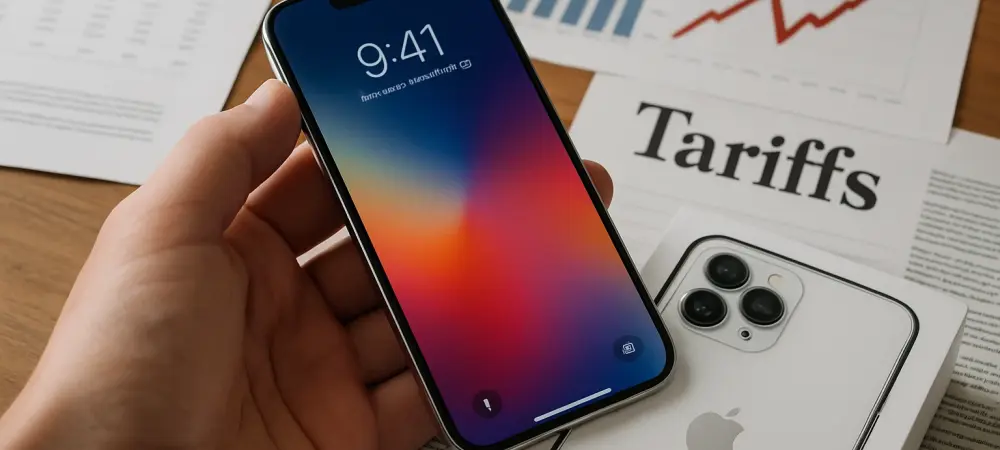
What happens when the sleek, cutting-edge device in your pocket becomes a casualty of global trade wars? As Apple unveils the iPhone 17 series this year, consumers are bracing for a jolt—not just from groundbreaking technology, but from price tags that sting more than ever. Reports suggest that tariffs imposed by the US on Chinese goods are driving costs upward, making the latest iPhones a test case for how international politics can reshape personal budgets. This isn’t just about a phone; it’s about the intersection of innovation and economics in a world of escalating tensions.
The Stakes: Why This Price Hike Matters
Beyond the glossy marketing campaigns, the reality of higher iPhone 17 prices signals a broader shift in the tech landscape. With a significant portion of Apple’s manufacturing based in China, US tariffs are increasing production expenses, and those costs are trickling down to buyers. Analyst Jeff Pu from GF Securities has identified these trade policies as the primary driver behind expected increases of $50 (about Rs. 4,400) for the base iPhone 17 and iPhone 17 Pro, and a steeper $100 (around Rs. 8,800) for the iPhone 17 Pro Max. This isn’t merely a numbers game; it’s a challenge to affordability that could sway consumer loyalty in a fiercely competitive market.
The ripple effects extend beyond individual purchases. For Apple, maintaining its premium brand image while navigating these economic pressures is a tightrope walk. The tech giant’s ability to balance innovation with accessibility will likely influence not just sales figures but also its standing against rivals like Samsung and Google. For fans, the question looms: will the allure of new features outweigh the burden of a heftier bill?
Tariffs Unpacked: A Global Trade Tug-of-War
Digging into the root cause, the US tariffs on Chinese imports—intensified under policies tied to former President Donald Trump—stand as the central culprit. These levies target a wide range of goods, including critical components for smartphones, directly impacting Apple’s bottom line. Since much of the iPhone assembly occurs in China through partners like Foxconn, the added costs are unavoidable without major supply chain overhauls.
This scenario reflects a larger struggle within the tech industry, where geopolitical friction often dictates market dynamics. Companies are caught between maintaining efficient production hubs and dodging financial penalties from trade disputes. Apple, for its part, has already begun exploring manufacturing alternatives in countries like India and Vietnam, but such transitions are neither quick nor cheap, leaving consumers to bear the interim burden.
Inside the iPhone 17 Lineup: Innovation at a Cost
Turning to the devices themselves, the iPhone 17 series—spanning the standard iPhone 17, iPhone 17 Air, iPhone 17 Pro, and iPhone 17 Pro Max—promises to push boundaries, albeit with a premium attached. The iPhone 17 Air, in particular, steals the spotlight with a rumored 5.5mm ultra-slim profile, outshining competitors like the Samsung Galaxy S25 Edge. Add to that a 6.6-inch display featuring a 120Hz ProMotion refresh rate, a 48-megapixel rear camera, and a 24-megapixel front camera, and the appeal is undeniable.
Performance specs are equally compelling, with the A19 Pro SoC expected to drive the base and Air models, while an enhanced A19 Pro chip powers the Pro and Pro Max variants. Yet, as industry watchers note, these advancements come with a caveat: tariff-driven price jumps could temper excitement. The balance between cutting-edge tech and affordability hangs in the balance, forcing buyers to weigh their priorities.
Voices from the Field: Analysts Weigh In
Industry experts are sounding the alarm on how external policies are reshaping Apple’s strategy. “The tariffs are a direct hit to production costs, and Apple has little choice but to pass some of that on to consumers,” notes Jeff Pu, an analyst with GF Securities. His assessment aligns with broader forecasts, which consistently point to specific dollar increases across the iPhone 17 lineup, underlining the tangible impact of trade barriers.
Other analysts echo this concern, highlighting a potential tipping point for Apple’s market dominance if prices climb too steeply. The consensus suggests that while the company’s innovation remains a draw, economic headwinds could test consumer tolerance. These insights paint a picture of an industry at a crossroads, where global policies might dictate purchasing decisions as much as product features do.
Apple’s Pivot and Consumer Choices: Adapting to the New Normal
On the corporate front, Apple is not standing still amid these challenges. Efforts to diversify manufacturing beyond China are accelerating, with investments in alternative production hubs aimed at reducing tariff exposure. Though this shift promises long-term stability, the immediate costs of relocation and setup are substantial, offering little short-term relief for price-conscious buyers.
For consumers, navigating this landscape requires strategic thinking. Budgeting for an extra $50 to $100 per device might be necessary, especially when factoring in taxes and add-ons like cases or chargers. Exploring older models or trade-in programs could also soften the financial blow, providing access to Apple’s ecosystem without the full sting of a new release price tag.
Ultimately, staying updated on trade policy developments and Apple’s responses will be key. If tensions ease or production shifts gain traction, pricing pressures might lessen over time. For now, though, the iPhone 17 series stands as a symbol of both technological ambition and the harsh realities of a globalized economy.
Looking Back: Lessons from a Costly Launch
Reflecting on the rollout of the iPhone 17 series, it became clear that trade tariffs had left a lasting mark on the tech industry. Apple’s push for innovation had collided with economic barriers, leaving consumers to grapple with higher costs for coveted devices. The story of this launch underscored how distant policy decisions could reshape everyday purchases.
Yet, amid the challenges, there emerged a roadmap for resilience. Apple’s steps toward diversified manufacturing hinted at a future less tethered to single-region risks, while consumers adapted by seeking value through alternatives and informed planning. Moving forward, the industry and its followers alike need to prioritize flexibility—watching policy shifts, exploring cost-saving options, and advocating for trade solutions that could ease such burdens in the years ahead.