

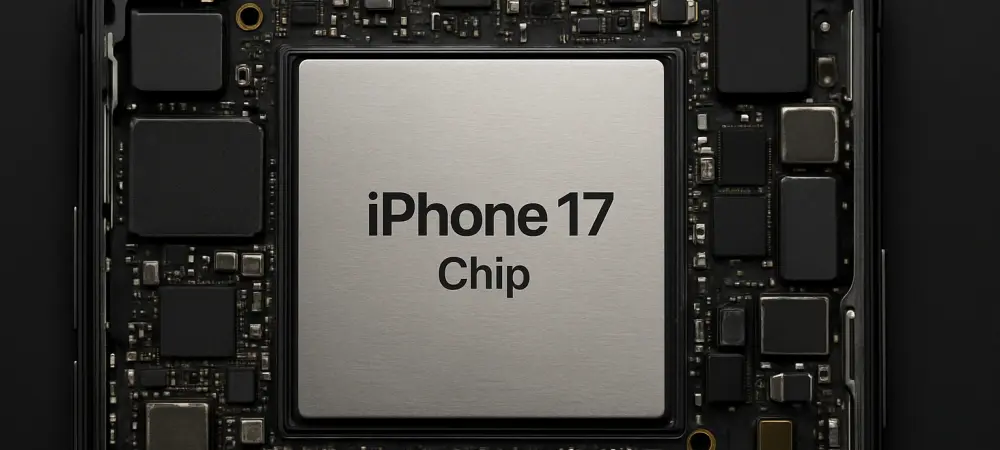
In an era where smartphone innovation is relentless, Apple continues to redefine industry benchmarks with the iPhone 17 series. As anticipation mounts, this latest release promises substantial leaps in chip technology, coupled with refined user experiences. Notably, the introduction of the A19 and A19 Pro chips signifies a shift in processing efficiency and connectivity. In the broader context of Apple’s technological progression, these advancements align with a global trend toward more powerful and efficient mobile devices.
Key Features of the iPhone 17 Series Chips
The A19 and A19 Pro Chips
The A19 and A19 Pro chips stand at the forefront of the iPhone 17’s offering. Engineered to enhance processing capabilities, these chips facilitate faster computational tasks and improved energy efficiency. The A19 chip, integrated into the iPhone 17 and iPhone 17 Air, provides solid performance gains, while the A19 Pro, reserved for the Pro and Pro Max models, amplifies processing power with a focus on high-demand applications. This differentiation underscores Apple’s strategy to cater to distinct user needs while maintaining performance across the lineup.
Apple’s New Wi-Fi 7 Innovation
Complementing the processing advancements, Apple’s introduction of a dedicated Wi-Fi 7 chip marks a considerable upgrade in connectivity capabilities. This development promises users enhanced internet speed and greater connection reliability, transcending previous limitations. With Wi-Fi 7, users can experience faster data transmission rates, reduced latency, and improved network performance, addressing growing demands for seamless connectivity in a digitally instantaneous world.
Industry Trends and Apple’s Strategic Position
As chip technology evolves, Apple remains at the helm of meeting burgeoning consumer expectations and market requirements. The transition toward more integrated and powerful chips reflects a broader industry trend where mobile devices are expected to handle increasingly complex tasks without sacrificing battery life or speed. Apple’s strategic alignment with these trends enhances its competitive edge, ensuring that the iPhone 17 series not only meets but anticipates consumer demands.
Practical Applications of Chip Enhancements
Real-world applications of these chip advancements are palpable across various scenarios. For everyday users, the augmented processing power allows for smoother multitasking, quicker app launches, and enhanced gaming experiences. On a professional level, the expanded processing capabilities support industry-specific applications, enabling professionals to complete demanding tasks on the go. Businesses can leverage these advancements for productivity tools, ensuring mobile work is both efficient and effective.
Confronting Challenges and Apple’s Mitigation Strategies
Despite its technological triumphs, the iPhone 17 series confronts several challenges. Technical hurdles, such as managing heat generation and optimizing battery consumption, persist. Market dynamics also play a critical role, with increasing competition from other manufacturers striving for similar advancements. To address these issues, Apple continues to innovate in chip design and collaborates closely with suppliers to ensure consistent quality and performance.
Future Prospects in Chip Technology
Looking ahead, chip technology is poised for further evolution, with miniaturization and integrated AI functionalities predicted to shape future innovations. These advancements hold the potential to revolutionize both societal norms and corporate ecosystems. Apple’s continuous investment in research and development positions it to capitalize on these emerging opportunities, paving the way for subsequent iPhone iterations to introduce even more groundbreaking features.
Reflecting on the iPhone 17 Chip Upgrade
The iPhone 17 series, marked by significant chip enhancements, demonstrates Apple’s sustained commitment to technological innovation. The introduction of the A19 and A19 Pro chips, along with Wi-Fi 7 connectivity, illustrates tangible improvements, promising expanded capabilities for users. Not only does it redefine processing landscapes, but it also sets the stage for future developments in mobile technology. As Apple looks to the future, its focus remains on delivering cutting-edge solutions, ensuring that each device continues to meet and set new industry standards.