

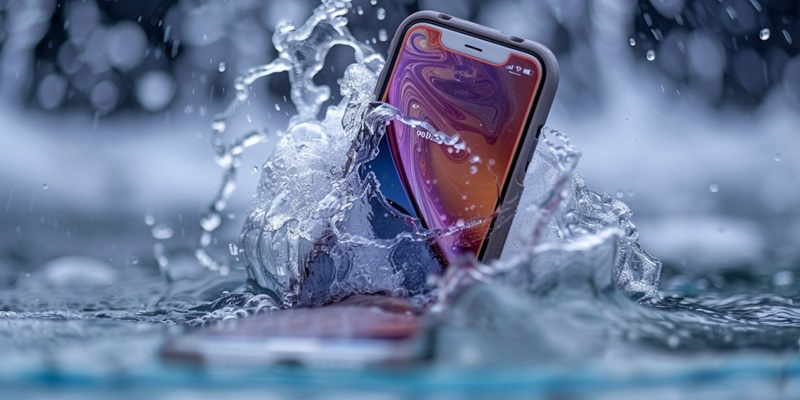
In a remarkable incident that has taken the tech community by surprise, a Reddit user named Gerodot01 shared their experience involving the underwater durability of Apple’s iPhone 15 Pro. This case centers around the phone’s ability to function after being submerged in a freshwater river at a depth of 2.5 meters for an astonishing duration of 22 hours without suffering any long-term damage. Initially discharged upon retrieval, the phone powered on and operated almost perfectly after a drying period. There were temporary issues with the speakers, but these resolved themselves shortly after.
Beyond Expectations: iPhone 15 Pro’s Robustness
An Unexpected Test of Durability
Apple has long marketed the iPhone 15 Pro with an IP68 rating under the IEC standard 60529, which guarantees water resistance up to 6 meters for 30 minutes. Nevertheless, Gerodot01’s experience stands as an extraordinary testament to the device’s durability, far exceeding the advertised specifications. This singular event underscores the phone’s resilience under conditions that are more extreme than what the specifications suggest. While the official rating sets a high bar for water resistance, surviving 22 hours underwater is a true anomaly that speaks volumes about the engineering prowess behind the iPhone 15 Pro.
Such instances provoke a broader discussion on the commitment of companies like Apple toward product durability. Users have often been skeptical about the real-world applicability of manufacturers’ claims. Gerodot01’s incident provides a compelling anecdote that may influence consumer perception positively. It demonstrates not just the waterproofing quality, but also the robust internal engineering capable of withstanding unforeseen circumstances. However, this should be viewed as an isolated incident and not a universal standard for all iPhone 15 Pro units. Variations in manufacturing and usage conditions could yield different outcomes for other users.
A Closer Look at Real-World Performance
The experience shared by Gerodot01 offers an intriguing snapshot of the real-world performance of the iPhone 15 Pro. It raises essential questions about the engineering processes and quality control mechanisms implemented by Apple. For many tech enthusiasts and potential buyers, such real-world testimonies serve as a critical point of reference. They validate not just the technical specifications but also the user experience under unplanned and adverse conditions. The phone’s ability to revive after a thorough drying period and eventually start working almost flawlessly fortifies confidence in Apple’s design and build quality.
However, it is prudent to approach these anecdotes with a balanced perspective. While Gerodot01’s iPhone 15 Pro demonstrated exceptional resilience, it is not advisable for users to subject their devices to similar risks. Electronic devices are sensitive to water damage, and prolonged exposure can lead to catastrophic failures that are beyond repair. Hence, the consensus remains that this incident is an outlier, and general caution should still be exercised. The takeaway here is not to encourage complacency but to appreciate the quality and reliability that modern engineering can achieve under unforeseen circumstances.
Apple’s Commitment to Durability
A Culture of Robust Engineering
Apple’s dedication to creating durable products is evident through various trends and innovations over the years. The incredible performance of the iPhone 15 Pro in Gerodot01’s scenario reinforces this commitment. Apple has made it a point to ensure that their devices not only meet but often exceed industry standards for quality and durability. This culture of robust engineering is embedded in Apple’s corporate philosophy and manifests in their rigorous testing protocols. Each new model undergoes extensive trials to validate the claims made in their marketing literature.
Consumers today are more informed and skeptical, demanding products that can endure the rigors of daily life. Apple’s focus on durability addresses these demands directly, potentially giving them a competitive edge in a crowded marketplace. However, while impressive individual cases like that of Gerodot01 can significantly boost market perception, they also set high expectations. It is crucial for Apple to consistently deliver on these expectations across all devices to maintain their reputation for reliability.
Implications for Future Device Care
In a surprising turn of events that has garnered significant attention within the tech community, a Reddit user named Gerodot01 shared an extraordinary account of the underwater resilience of Apple’s iPhone 15 Pro. According to Gerodot01, the incident began when the phone accidentally fell into a freshwater river. Remarkably, the iPhone 15 Pro remained submerged at a depth of 2.5 meters for a staggering 22 hours before being retrieved.
Upon retrieval, the phone’s battery was completely drained, but after a drying period, it powered on and functioned almost flawlessly. Initially, there were some minor issues with the speakers, which had been affected by the prolonged exposure to water. However, these issues resolved themselves after a short time.
This episode has sparked conversations about the iPhone 15 Pro’s impressive durability and waterproofing capabilities, leading many to praise Apple’s engineering. For a smartphone to survive such a lengthy underwater ordeal and recover so quickly is a testament to the advancements in modern technology. Such durability could influence future purchasing decisions for consumers prioritizing robust construction in their devices.