

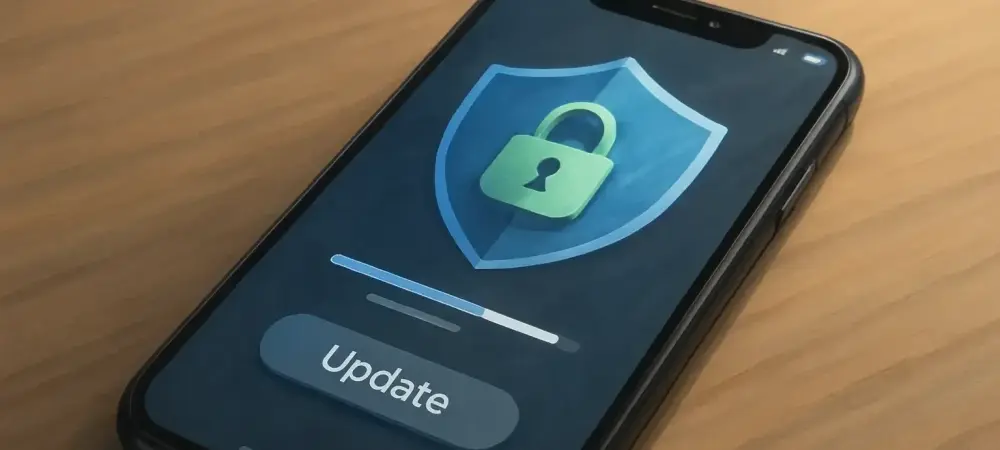
In an era where digital threats evolve at an alarming pace, Apple has taken a significant step forward with the release of iOS 26.1, delivering a robust update that addresses a staggering array of security vulnerabilities for iPhone and iPad users. This latest software iteration doesn’t just bring new features to the table; it prioritizes user safety by patching no fewer than 56 critical flaws across various system components. From browser engines to core device protections, the scope of these fixes highlights a pressing need for users to update their devices without delay. The scale of this security overhaul serves as a stark reminder of how interconnected and vulnerable modern devices can be, emphasizing that staying current with software updates is no longer optional but a fundamental aspect of digital hygiene. As cyber threats continue to target personal data and device integrity, this update stands as a crucial defense mechanism for millions of users worldwide, setting the stage for a deeper exploration of its impact.
Unveiling the Depth of Security Enhancements
The breadth of security issues tackled by iOS 26.1 reveals a comprehensive effort to fortify the iOS ecosystem against a variety of threats. Among the most concerning vulnerabilities addressed are those in WebKit, the engine behind Safari, where a severe flaw tracked as CVE-2025-43495 could potentially allow malicious apps to capture keystrokes without user knowledge, posing a grave risk to privacy. Additionally, a kernel vulnerability risked unexpected system crashes triggered by rogue applications, while a glitch in Stolen Device Protection could have enabled attackers with physical access to disable this safeguard on stolen devices. Although detailed information on these issues remains limited to prevent exploitation before widespread adoption of the update, the sheer number of patches underscores the urgency for users to act swiftly. Compatible with a wide range of devices, from iPhone 11 and later to various iPad models like the iPad Pro 12.9-inch 3rd generation, this update ensures that many can secure their devices against these critical risks.
Proactive Measures and Future-Proofing Device Safety
Beyond merely addressing existing vulnerabilities, iOS 26.1 introduces forward-thinking features aimed at sustaining long-term security for Apple users. A standout addition is the Background Security Improvements, designed to deliver real-time enhancements that protect devices against emerging threats as they arise. This proactive approach signals a shift toward continuous safeguarding, reflecting a commitment to user safety in a digital landscape fraught with evolving dangers. Notably, while this update takes center stage, there has been no parallel security patch for iOS 18 beyond its last release at version 18.7.1, hinting at a possible focus on newer iterations for supported hardware. The consensus remains clear: updating to the latest version is imperative to mitigate risks that, while not yet exploited according to current reports, carry significant potential for harm if left unaddressed. Users are strongly encouraged to navigate to Settings > General > Software Update to apply these essential protections, ensuring their devices remain resilient in the face of unseen challenges ahead.