

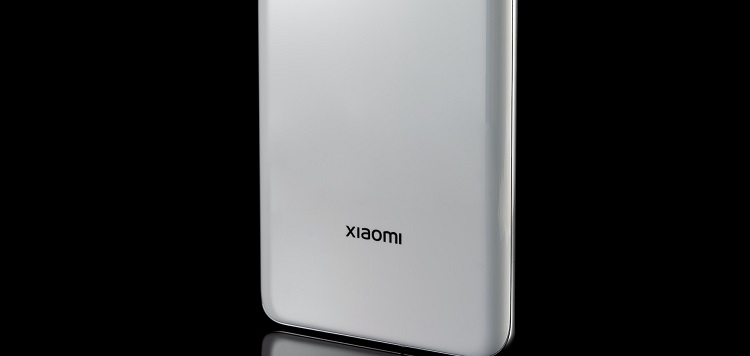
Xiaomi introduces the Redmi Note 10 Pro 4G in Indonesia
Xiaomi has been a major player in the smartphone industry, offering a range of smartphones with innovative features and affordable prices. The Redmi Note lineup has been one of the most popular smartphone series from Xiaomi, and the company has now introduced a new smartphone in this series – the Redmi Note 10 Pro 4G. This smartphone is limited to 4G speeds, but it still packs a punch with its impressive features.
The Snapdragon 732G chipset and a 108MP camera are featured
The Redmi Note 12 Pro 4G features a Snapdragon 732G chipset, which is almost one year old but still capable. It has two big CPU cores running at 2.3GHz and can handle most tasks with ease.
The smartphone also comes with an impressive 108MP main camera, which is capable of capturing stunning photos with rich details and vibrant colors. The camera island design is reminiscent of the Redmi Note 10 series and adds to the overall aesthetic appeal of the smartphone.
The chipset is limited to LTE speeds, but still capable
While the Snapdragon 732G chipset in the Redmi Note 10 Pro 4G is limited to LTE speeds, it is still a capable chipset that can handle most tasks with ease. Users can expect a smooth and lag-free experience while using this smartphone.
The 5,000 mAh battery and 120Hz screen features have been carried over from previous Redmi Note models
Xiaomi has carried over some of the most impressive features from earlier Redmi Note models to the Redmi Note 10 Pro 4G. This includes a massive 5,000mAh battery that can provide all-day battery life, even with heavy usage.
The smartphone also comes with a stunning 120Hz screen, which is a single punch-hole 6.67-inch AMOLED panel. This screen provides a smooth and responsive touch experience and makes video watching and gaming much more immersive.
Additional specs include 4K video recording, stereo speakers, and support for Dolby Vision and Atmos
The Redmi Note 10 Pro 4G also comes with some additional impressive features that make it stand out from the competition. This includes the ability to record 4K videos, allowing users to capture stunning high-quality videos.
The stereo speakers provide an immersive audio experience, making gaming and video watching much more enjoyable. Additionally, for those who prefer wired headphones, the smartphone also comes with a 3.5mm audio jack. The inclusion of Dolby Vision Atmos support enhances the overall audio-visual experience of the smartphone.
The Redmi Note 10 Pro 4G is set to go on sale in May in Indonesia
The Redmi Note 12 Pro 4G is scheduled to go on sale in May in Indonesia. Xiaomi has not announced any plans for the release of the smartphone in other markets or regions yet. However, given the popularity of the Redmi Note series and the impressive features of the Redmi Note 12 Pro 4G, it is likely that the smartphone will be released in other regions as well.
Noting the limitation of 4G speeds
While the Redmi Note 12 Pro 4G is a powerful and capable smartphone, it is important to note that it is limited to 4G speeds. This means that users will not be able to take advantage of the faster speeds offered by 5G networks.
Overall, the Redmi Note 12 Pro 4G is a powerful and impressive smartphone that packs a punch. While it may not have 5G capabilities, it still offers an impressive user experience and a range of features that make it stand out from the competition. The Snapdragon 732G chipset may be almost three years old, but it is still capable of handling most tasks with ease, making the Redmi Note 12 Pro 4G a great smartphone for those on a budget who are looking for an affordable yet powerful device.