

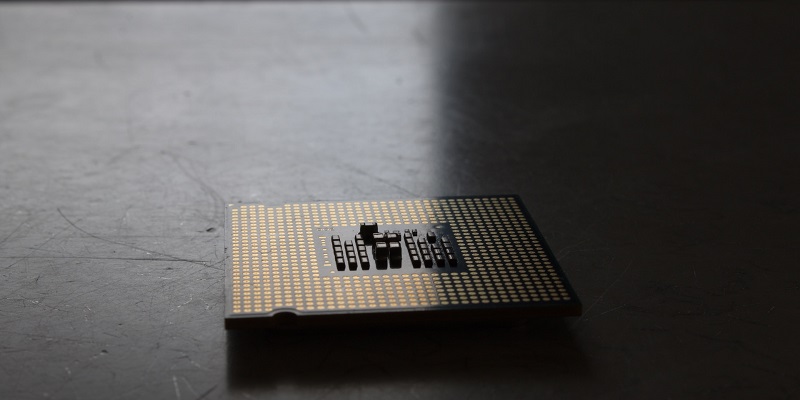
The anticipation surrounding Intel’s upcoming Core i7-14700K CPU continues to grow as enthusiasts eagerly await its release. This highly anticipated processor promises to deliver substantial improvements in multi-core performance, thanks to the addition of more E-cores. In this article, we delve into the leaked information and benchmark results to provide insights into the potential of the Core i7-14700K.
Overclocked Core i7-14700K Sets New Benchmarks
An early glimpse of the Core i7-14700K’s power has emerged through leaked Geekbench test results, showcasing an impressive overclocked variant running at 6GHz. The discovery of this overclocked configuration has only intensified excitement for Intel’s next-generation offering.
Unmatched Performance: Surpassing the Core i9-13900K
When comparing the Core i7-14700K with its predecessor, the Core i9-13900K, the former does not disappoint. In a single-core test, the 14700K outperforms the 13900K by a staggering 10%. In a multi-core test, the margin widens to an astounding 20%, further solidifying the Core i7-14700K’s dominance.
Enhanced Configuration: Upgraded Cores and Turbo Speed
To enhance its performance capabilities, the Core i7-14700K undergoes some significant changes. Notably, it transitions from an 8+8 configuration to an 8+12 arrangement, with four additional E-cores boosting its multi-threading capabilities. The processor also receives a tweak, with an extra 200MHz added to its maximum turbo clock.
Cooling the Beast: Achieving Stable 6GHz Overclocks
While the leaked overclocked results showcase the remarkable potential of the Core i7-14700K, questions arise regarding the cooling solution employed. It remains unclear whether these impressive results were achieved using an off-the-shelf cooler or a more exotic cooling system. Regardless, the ability to achieve a stable 6GHz overclock highlights the immense power of the processor.
Market Appeal: Value for Enthusiasts and Upgraders
The Core i7-14700K’s rumored price tag of around $400 makes it highly appealing to enthusiasts and upgraders alike. However, it is worth noting that Intel has been rumored to consider a 15% price hike on these chips. Nevertheless, even with a potential price increase, the Core i7-14700K would remain an attractive option, considering its exceptional performance capabilities.
Competitive Pricing Analysis: Comparing with Core i9-13900KS
Taking a closer look at pricing, the Core i7-14700K’s rumored $450 price tag is remarkably enticing. In comparison, the Core i9-13900KS, which achieves similar clock speeds of 6GHz but falls short in multi-core performance, retails for a hefty $729. With this significant price disparity, the Core i7-14700K could become the go-to chip for those seeking top-notch performance at a more accessible price point.
The Core i7-14700K: The Standout CPU in the Raptor Lake Refresh
The leaked details and benchmark results so far suggest that the Core i7-14700K may be the most remarkable CPU in Intel’s upcoming Raptor Lake refresh. While Intel is expected to offer a range of refreshed CPUs, the allure of the Core i7-14700K’s additional cores and superior performance positions it as the standout choice for tech enthusiasts.
With its enhanced multi-core performance, overclocking capabilities, and attractive pricing, the Core i7-14700K holds great promise. As Intel gears up for the official launch, enthusiasts eagerly await an in-depth analysis to affirm whether its leaked performance figures and overclocking potential translate to real-world scenarios. With the Raptor Lake refresh on the horizon, Intel’s lineup of up to 26 refreshed CPUs promises to elevate the gaming and productivity experience to new heights.