

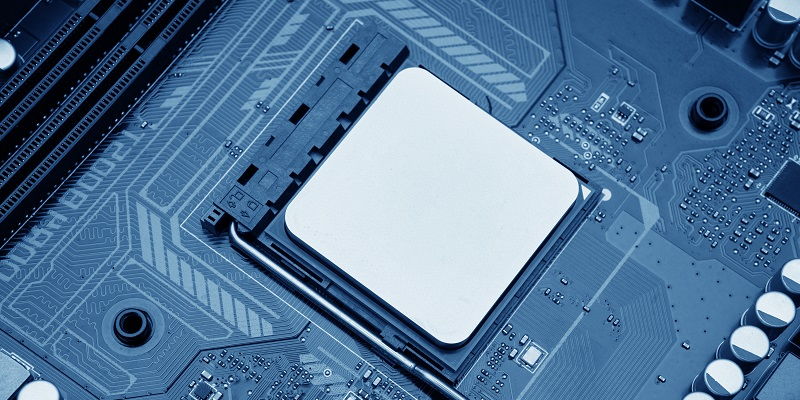
Intel’s highly-anticipated 12th Gen Alder Lake processors are expected to revolutionize the desktop PC market, introducing a wide array of cutting-edge features and improvements. These processors will deliver unprecedented power, enhanced connectivity options, and improved power efficiency, solidifying Intel’s position as a leader in the industry.
Enhanced connectivity options with Alder Lake
One of the standout features of Alder Lake processors is their integrated USB 3.2 Gen 2×2 and Intel Wireless-AC capabilities. The inclusion of USB 3.2 Gen 2×2 (20G) ensures high-speed data transfer, enabling faster file transfers and reducing latency for a smoother computing experience. Additionally, Intel Wireless-AC (Wi-Fi 6E/7 BT CNVio) with Gig+ provides reliable and fast wireless connectivity, enabling seamless streaming, gaming, and productivity.
Next-generation Intel Optane Memory support
Alder Lake processors are set to embrace the power of next-generation Intel Optane memory, a promising technology that will significantly enhance storage performance and system responsiveness. By utilizing Intel Optane memory, users can expect lightning-fast data access speeds, reduced load times, and improved multitasking capabilities, further elevating the overall computing experience.
Variable PCIe lane configuration
The number of PCIe lanes present in Alder Lake processors will vary depending on the specific model, but the highest-end variants will support up to 24 lanes running at Gen 4 speed. This configuration ensures maximum bandwidth for high-performance tasks such as gaming, content creation, and data-intensive applications, enabling users to push the boundaries of their desktop PCs effortlessly.
Versatile USB Port Options
To cater to diverse user needs, Alder Lake processors provide a range of USB port options. These include up to 5 USB 3.2 Gen 2×2 ports, which offer blisteringly fast data transfer rates, ideal for connecting external storage devices or high-resolution displays. Additionally, users can benefit from up to 10 USB 3.2 Gen 2×1 ports, offering a multitude of connectivity options for peripherals such as keyboards, mice, and printers.
Importance of Security Features
Alder Lake processors prioritize security, although specific details are not disclosed in the article. Intel has always prioritized data protection and system integrity, and it can be expected that these processors will boast advanced security features to safeguard users’ sensitive information and mitigate potential threats.
Thunderbolt 3.0 integration with DisplayPort 1.4
The integration of Thunderbolt 3.0 (Titan Ridge) with DisplayPort 1.4 is another noteworthy feature of Alder Lake processors. This integration brings forth high-speed data transfer capabilities and supports cutting-edge display technologies, enabling users to connect multiple high-resolution monitors, enjoy immersive gaming experiences, and utilize high-bandwidth peripherals without compromising performance.
Intel’s hybrid technology and power management
Power efficiency and multitasking capabilities are at the forefront of Alder Lake processors, thanks to Intel’s Hybrid Technology. This innovative approach combines high-performance cores and high-efficiency cores, offering users the best of both worlds. The high-performance cores excel at computationally intense tasks, such as gaming or video editing, while the high-efficiency cores excel in power-saving scenarios, optimizing battery life for portable devices and reducing power consumption for desktop PCs.
Manufacturing Process and Potential Challenges
Alder Lake processors are set to be manufactured using Intel’s advanced 7nm process, which promises enhanced performance and energy efficiency. However, it’s worth noting that there have been reports of potential delays and the potential utilization of external fabs for production. Intel is determined to address any manufacturing challenges and ensure the availability of these groundbreaking processors to meet consumer demand.
In conclusion, Intel’s 12th Gen Alder Lake processors are poised to unleash a new era of performance, connectivity, and power management in the desktop PC market. With features like integrated USB 3.2 Gen 2×2, Intel Wireless-AC, next-generation Intel Optane memory support, versatile USB ports, and Thunderbolt 3.0 integration, these processors are designed to meet the ever-growing demands of modern computing applications. By incorporating Intel’s Hybrid Technology for optimized power management, and the promise of future-proof connectivity options and advanced security features, Alder Lake processors have the potential to reshape the landscape of desktop computing and empower users with unmatched performance, efficiency, and connectivity.