

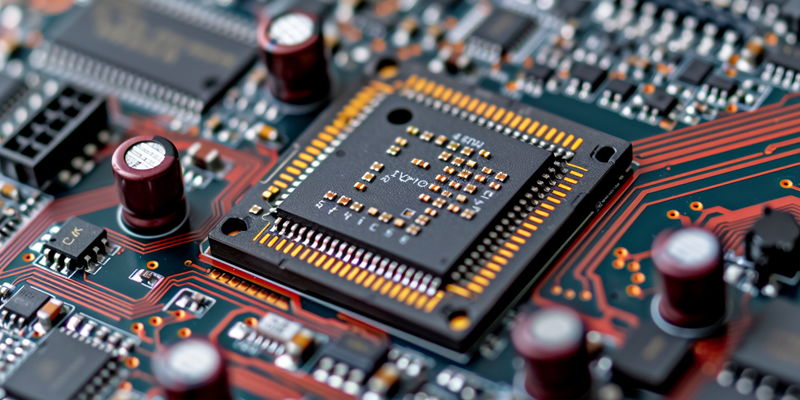
The high-end 13th-gen and 14th-gen CPUs from Intel, especially the Core i9 processors, have been at the center of a storm due to persistent stability issues leading to crashes in PC games. This has left both consumers and professionals baffled throughout the year. Many have pointed the finger at the Enhanced Thermal Velocity Boost feature, which Intel has admitted could be a contributing factor to the instability. Even though Intel has taken steps such as issuing various advisories and releasing a BIOS fix to alleviate the problem, the root cause remains somewhat elusive, causing concern across the board.
A motherboard manufacturer, who spoke anonymously to ZDNet Korea, voiced worries that if these stability issues aren’t definitively resolved, it could cause consumer trust to erode and potentially impact the sales of Intel’s next-generation Arrow Lake CPUs scheduled for release in the fourth quarter. Rising consumer distrust is a significant risk for Intel’s future product lines, with growing skepticism among users who have faced these issues. The representative emphasized that consumer confidence is paramount, and ongoing technical problems could seriously jeopardize Intel’s market position.
Performance Trade-offs and Consumer Discontent
Efforts to mitigate the stability issues have come at a cost, particularly in terms of performance trade-offs. Enthusiasts who invest significant sums in high-end CPUs expect not just optimal functionality but reliability as well. The current state of Intel’s high-end CPUs, although somewhat improved through mitigations, falls short of these high expectations. Users who are passionate about gaming and other performance-intensive tasks are unlikely to be satisfied with the compromises being made. The reduced performance undermines the very appeal of these high-end models, which are marketed as top-tier, leading consumers to question the value of their investment.
The dissatisfaction among this segment of high-demand users is palpable and has broader implications for Intel. If the promised performance can’t be delivered consistently due to ongoing stability issues, trust in the brand will inevitably wane. This is happening at a time when competition is fiercer than ever. AMD’s imminent release of the Ryzen 9000 and 9000X3D models, which promise to cater well to the gaming community, poses a significant threat. Intel’s reputation could take a serious hit if these performance detriments are not addressed promptly and effectively.
Impact on Intel’s Brand and Competitive Pressure
Technical difficulties, particularly those affecting stability, can significantly taint the public perception of a brand. Intel, once seen as the unquestioned leader in CPU performance, now faces the risk of losing consumer confidence. With the instability in high-end CPUs, the damage to Intel’s reputation could be profound. Over time, this can lead to a drop in consumer confidence and a shift towards alternatives, which are growing in number and capability. The general public’s trust in Intel’s ability to deliver reliable, high-performance CPUs is crucial for maintaining market leadership, and the current scenario presents a significant challenge to that trust.
Adding to the pressure is AMD’s robust roadmap. Consumers now have viable alternatives that promise both stability and performance. The competitive landscape in the CPU market is becoming increasingly tight, and Intel cannot afford to falter at this critical juncture. Even though Arrow Lake CPUs are projected to boast better power efficiency, unless Intel can assure that these new models will be free of the stability issues plaguing their predecessors, the improvement in power efficiency alone will not suffice to regain lost consumer trust. The narrative crafted so far suggests that Intel must address these issues comprehensively to prevent a potential exodus of its consumer base to competitors like AMD.
Summary of Findings and Industry Reactions
Intel’s high-end 13th-gen and 14th-gen CPUs, notably the Core i9 series, have faced serious stability issues, leading to crashes in PC games, baffling consumers and professionals alike. The problem has often been linked to the Enhanced Thermal Velocity Boost feature, which Intel admits might be a key factor. Despite Intel issuing advisories and a BIOS fix to mitigate the issue, the underlying cause remains unclear, sparking widespread concern.
An anonymous motherboard manufacturer expressed worries to ZDNet Korea that unresolved stability issues could erode consumer trust and negatively impact sales of Intel’s upcoming Arrow Lake CPUs, projected for release in Q4. Consumer trust is a significant concern for Intel’s future product lines, as many users experiencing these issues grow skeptical. The representative stressed that maintaining consumer confidence is critical; persistent technical problems risk undermining Intel’s market position. For Intel, resolving these stability issues is crucial not only for current products but also for safeguarding the reputation and success of future releases.