

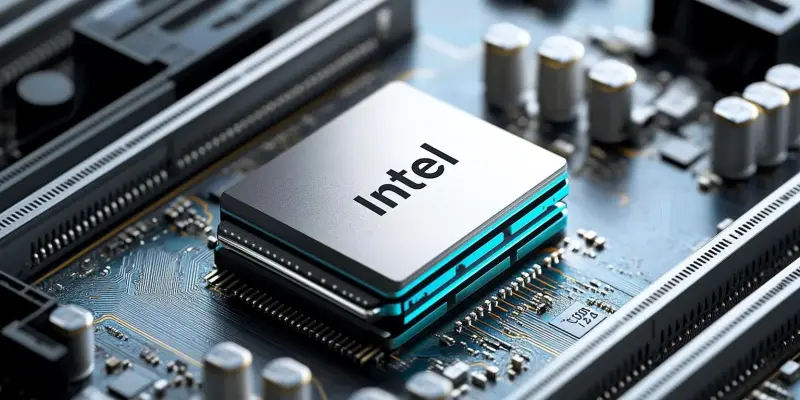
In a highly anticipated move, Intel is set to unveil its Core Ultra 200H series of mobile chips at CES 2025, capturing the keen interest of tech enthusiasts and industry observers alike. These new mid-range mobile chips, belonging to the Arrow Lake-H series, promise to bring significant advancements in mobile processing power. According to recent leaks on Weibo, the initial release will be limited to China and South Korea, with consumers in these regions getting first access to the Core Ultra 9 285H, Core Ultra 7 255H, and Core Ultra 5 235H models. However, global availability, particularly in Western markets, is forecasted to be delayed until late February 2025. This staggered release approach has stirred discussions and speculation about Intel’s strategic planning and market positioning.
Early Release in Select Markets
The decision to initially launch the Core Ultra 200H series in China and South Korea appears to underscore Intel’s recognition of these regions as vital technology hubs with enthusiastic early adopters. By rolling out the new chips in these specific markets first, Intel aims to gain valuable consumer feedback and refine any potential issues before expanding globally. Mid-range mobile chips like the Core Ultra 9 285H, Core Ultra 7 255H, and Core Ultra 5 235H are designed to cater to a broad audience, offering substantial performance improvements without the premium pricing associated with high-performance variants. Historically, China and South Korea have been critical markets for mobile computing, and their early access to these new chips will likely influence initial sales figures and provide insights into consumer reception.
Global Availability and Strategic Alignment
As Intel gradually releases its mid-range Core Ultra 200H series, the company is gearing up for a swifter global launch of its high-performance Arrow Lake-HX series chips. Aiming at gamers and professionals requiring significant computing power, Intel plans to have these top-tier processors available worldwide by mid-to-late January 2025. The demand for robust performance in gaming and productivity laptops is driving Intel to expedite the rollout of the HX series to meet market needs. In the same timeframe, NVIDIA is expected to debut its high-end RTX 50 series GPUs, likely including the RTX 5080 by February 2025. The coinciding release schedules of Intel’s and NVIDIA’s products are anticipated to lead to the synchronized introduction of high-end gaming laptops featuring both companies’ latest technologies.
Intel’s methodical release plan for both the Core Ultra 200H and Arrow Lake-HX series highlights its commitment to leading the mobile computing market while ensuring that its technology is well-tested before wider distribution. As a result, consumers can look forward to significant advancements and enhancements across gaming and productivity laptops in early 2025, thanks to the new Arrow Lake-H and HX chips.