

Introduction
Modern enterprise retail strategies now hinge on the ability to offer seamless financial flexibility, yet many organizations discover that their legacy ERP systems lack the inherent agility to support these rapidly evolving payment trends. As consumers increasingly move toward interest-free installment plans over traditional credit, the pressure on businesses using Microsoft Dynamics 365 to adapt has reached a critical point. This shift is not merely a trend in the consumer space but a fundamental change in how capital is managed at the point of sale. Integrating Buy Now, Pay Later (BNPL) solutions has therefore become a strategic priority for maintaining competitiveness and capturing higher average order values across both digital and physical storefronts.
The objective of this article is to provide a comprehensive guide to navigating the complexities of BNPL integration within the Microsoft Dynamics 365 ecosystem. By addressing key technical and operational questions, this analysis explores the various implementation pathways, the challenges of in-store deployment, and the necessity of robust financial reconciliation. Readers can expect to learn about the different provider types, the architectural requirements for a scalable setup, and the best practices for ensuring that the general ledger remains accurate amidst high-volume installment transactions. This exploration serves as a roadmap for decision-makers looking to modernize their payment stack without compromising the integrity of their core financial data.
Key Questions or Key Topics Section
Why Does Microsoft Dynamics 365 Require External Integration for BNPL?
The fundamental challenge for organizations using Dynamics 365 is that the platform’s native payment connectors are primarily engineered to facilitate traditional credit and debit card processing through established card rails. These legacy frameworks are built to communicate with acquiring banks using standardized protocols that have remained largely unchanged for decades. In contrast, BNPL providers such as Klarna, Affirm, and Afterpay operate on proprietary ecosystems that do not follow these standard merchant-acquirer pathways. Each provider maintains its own unique Application Programming Interfaces (APIs), distinct session management models, and specific logic for handling authorizations, captures, and refunds. Because Dynamics 365 does not natively support these non-card payment methods, attempting to force them into existing card-centric workflows often leads to technical failure or significant data gaps. Without external integration or a dedicated middleware layer, the system cannot effectively manage the multi-step authentication processes required by BNPL services. Moreover, adding multiple providers individually creates a multiplication of maintenance duties. Every time a provider updates its API or changes its settlement logic, the internal development team must perform manual code updates within the ERP environment. This creates a high level of technical debt that can hinder a business’s ability to remain agile in a fast-paced retail market.
What Are the Comparative Advantages of Different Implementation Pathways?
There are several distinct routes for bringing BNPL functionality into a Dynamics environment, each carrying different implications for cost, speed, and long-term scalability. Direct provider integration is often the first method considered, offering the highest degree of customization by building a bespoke link between the ERP and a specific service like Affirm. However, this approach is resource-intensive and requires a separate development project for every single provider a merchant wishes to support. This often leads to a fragmented payment architecture that is difficult to manage across different sales channels, especially if the business operates both online and in physical stores. In contrast, the payment connector model has emerged as the preferred industry standard for scalable retail operations. This approach utilizes a third-party middleware solution that integrates once with Microsoft Dynamics 365 and then provides a gateway to dozens of different BNPL and alternative payment methods through a single interface. This shifts the internal effort from complex coding to simple configuration, allowing businesses to activate or deactivate providers with minimal friction. Other alternatives, such as using standalone provider portals or relying on specific payment terminal support, may offer a faster route to market but frequently result in a lack of deep ERP integration. These methods often fail to automate the flow of transaction data, leading to significant manual work for the accounting department.
How Does In-Store BNPL Implementation Create Operational Friction?
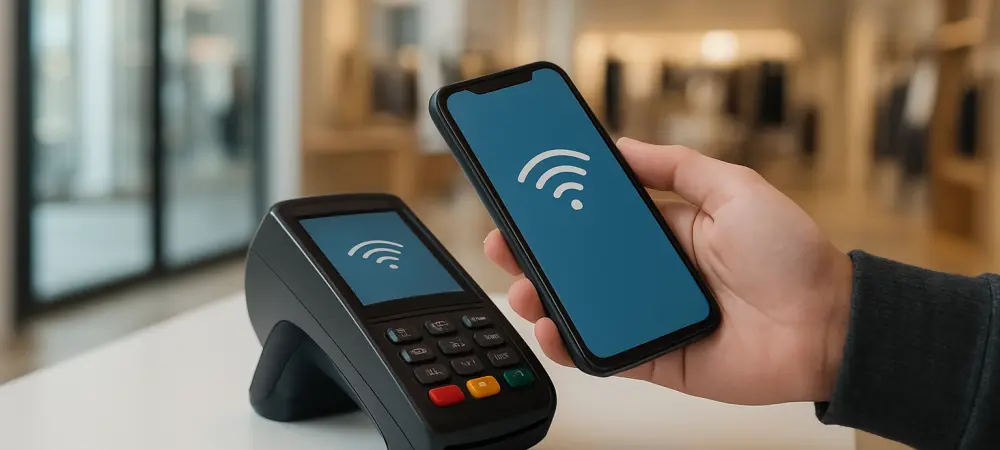
While the digital “click-to-pay” experience for BNPL is relatively seamless, bringing these options to the physical point of sale introduces a unique set of operational challenges. Most native BNPL flows require customers to perform several manual steps on their personal mobile devices while standing at the register, such as scanning QR codes, downloading proprietary apps, or navigating mobile browser redirects to secure a text-link checkout. These extra steps can significantly slow down the checkout line, creating frustration for both the customer and the sales associate. If the process is too cumbersome, the perceived benefit of financial flexibility is often overshadowed by the inconvenience of the transaction itself.
For the merchant, this friction translates into a heavy training burden for staff who must learn and troubleshoot the different procedures required by each BNPL provider. Sales associates become de facto technical support agents, which detracts from their ability to provide high-quality customer service. The most effective way to mitigate this friction is to implement a hardware-agnostic “tap-and-pay” solution that allows the customer to use their existing digital wallet. By removing the need for specialized app interactions at the counter, businesses can maintain a high throughput at the register while still offering the flexible payment terms that drive larger basket sizes.
Which BNPL Providers Best Align with Specific Business Models?
Selecting the right BNPL partner is a strategic decision that should be based on the specific demographics of the customer base and the typical price point of the products being sold. For instance, providers like Affirm are often ideal for merchants selling high-ticket items such as luxury electronics or furniture because they specialize in longer-term monthly financing options. This allows consumers to spread the cost over several months or even years, making expensive purchases more accessible. On the other hand, services like Afterpay or Sezzle are heavily utilized by younger, credit-averse demographics who prefer “pay-in-four” models for mid-range retail goods like apparel and beauty products.
The choice of provider also depends on the geographic reach of the business and the specific credit requirements of the target audience. Klarna offers a broad international footprint and a versatile mix of short-term and long-term financing, making it a strong choice for global retailers. Alternatively, Splitit offers a unique value proposition by utilizing a customer’s existing credit card line to facilitate installments without requiring a new credit check or application process. Because BNPL adoption is primarily driven by where the consumer already has an established account, the most successful merchants often provide a selection of these services to ensure they cover the maximum number of potential shoppers without forcing them to sign up for a new financial product.
Why Is Advanced Reconciliation Logic Critical for Financial Accuracy?
One of the most frequently overlooked aspects of BNPL integration is the significant impact it has on the general ledger and the reconciliation process. Unlike traditional credit card transactions where the settled amount typically matches the authorized amount minus a standard processing fee, BNPL providers often settle funds on deferred cycles and may deduct multiple types of fees or refund clawbacks before the final deposit reaches the merchant’s bank account. If the ERP system is not configured to handle these net-settlement payouts, the business will face immediate and persistent inaccuracies in its cash positioning. This makes it nearly impossible for the finance team to track the true margin on individual transactions. To maintain financial integrity, organizations must implement a sophisticated four-step reconciliation pattern within Dynamics 365. This begins with posting the gross sale amount to a dedicated clearing account at the moment of authorization, followed by the automated import of settlement batch files from the BNPL provider. Each line in the settlement file must be matched back to the original transaction to ensure that every order is accounted for. Finally, the fees deducted by the provider must be recognized as a separate expense line item. Without this level of detail, the clearing accounts quickly become cluttered with unexplained variances, leading to long and painful audit processes and a lack of visibility into the actual cost of offering these payment methods.
Summary or Recap
The integration of Buy Now, Pay Later solutions into Microsoft Dynamics 365 represents a necessary evolution for enterprises seeking to align their financial operations with modern consumer behavior. Successful deployment requires a shift away from viewing payments as a simple transactional utility toward treating them as a complex data integration challenge. By understanding the limitations of native ERP connectors and the benefits of a unified middleware layer, businesses can avoid the pitfalls of technical debt and manual maintenance. The key takeaways emphasize that the integration process must address the entire lifecycle of a transaction, from the initial customer interaction at the point of sale to the final reconciliation in the general ledger.
Furthermore, the analysis highlights that operational success depends on minimizing friction for both customers and staff, particularly in physical retail environments. Choosing the right mix of BNPL providers allows a merchant to cater to diverse consumer needs, while advanced accounting logic ensures that the financial benefits of increased sales are not lost to reconciliation errors. As the payment landscape continues to diversify, the ability to remain flexible and data-driven will be the hallmark of successful retail organizations. Organizations that prioritize a configuration-based approach over custom coding will be better positioned to adapt to new financing models as they emerge in the coming years.
Conclusion or Final Thoughts
The journey toward a fully integrated BNPL strategy within the Microsoft Dynamics 365 ecosystem was characterized by a move from rigid, legacy-bound thinking to a more modular and agile architectural philosophy. Organizations that successfully navigated this transition realized that the true value of flexible financing lay not just in the payment itself, but in the seamlessness of the data flow across the entire enterprise. This shift in perspective allowed retailers to reclaim control over their point-of-sale experience and their financial reporting accuracy. As the technology matured, it became clear that the integration was a catalyst for broader digital transformation, forcing a necessary re-evaluation of how financial systems interact with consumer-facing applications.
Looking forward, the lessons learned from these implementations suggested that the next phase of retail finance would focus even more heavily on personalization and real-time data synchronization. The infrastructure established for BNPL now serves as a foundation for even more advanced alternative payment methods and loyalty-driven financial products. Businesses that invested in a robust, connector-based integration model found themselves with a significant competitive advantage, as they were able to pivot quickly to meet new market demands without the need for extensive redevelopment. This evolution ultimately proved that a forward-thinking approach to payment technology was an essential component of sustainable growth in an increasingly complex global marketplace.