

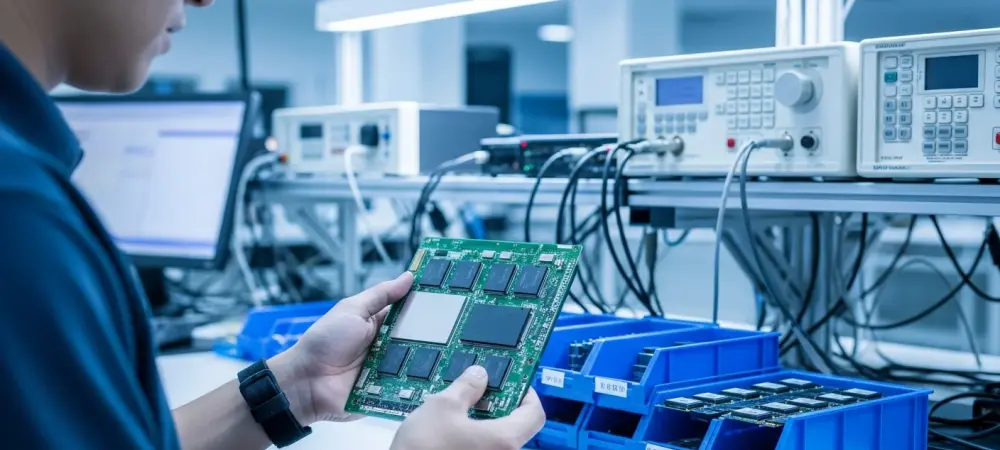
The fundamental architecture of an enterprise storage array, once a straightforward matter of capacity and speed, has now splintered into two distinct philosophical camps that dictate everything from performance density to supply chain resilience. On one side stands the integrated hardware strategy, where vendors engineer custom flash modules from the ground up. On the other is the commodity approach, which leverages market-standard solid-state drives (SSDs) and focuses innovation at the software layer. Both pathways aim to deliver the high-performance, all-flash storage modern enterprises demand, but their underlying choices create profound differences in capability and strategy.
This divergence is clearly visible among industry leaders. IBM, with its FlashSystem line and custom FlashCore Modules, and Pure Storage with its DirectFlash Modules, champion the integrated model. They argue that co-designing hardware and software unlocks unparalleled efficiency and control. In contrast, vendors like Dell with its PowerStore arrays and NetApp with its AI Data Engine have embraced the commodity SSD path, building sophisticated management platforms like CloudIQ atop third-party hardware. This analysis delves into the technical and business implications of these choices, particularly for mission-critical block storage workloads such as core banking applications and large-scale databases, where every microsecond and byte counts.
Head-to-Head: A Feature-by-Feature Comparison
Design, Density, and Performance
The integrated hardware strategy grants vendors direct control over the physical layout and engineering of their storage media, a freedom that translates into significant density and performance advantages. IBM’s approach with its new 105 TB FlashCore Modules exemplifies this. By designing a physically larger module than a standard SSD, IBM can more efficiently utilize the flash NAND on the wafer. This proactive design enables the top-tier FlashSystem 9600 to pack an astonishing 11.8 effective petabytes (PBe) into a mere 2U chassis while delivering up to 6.3 million IOPS. Pure Storage follows a similar playbook with its 150 TB DirectFlash Modules, reinforcing the principle that custom engineering can push the boundaries of physical storage density. Conversely, the commodity SSD approach is inherently reactive, constrained by the roadmaps and specifications of third-party drive manufacturers. While effective, this model limits vendors to the components available on the open market. For instance, Dell’s recent PowerStore update incorporates high-capacity 30 TB QLC SSDs, a significant achievement in its own right. However, this capacity is dictated by what the SSD market can supply, not by what an integrated system design could ideally accommodate. This reliance on off-the-shelf parts means that performance and density are benchmarked against the broader market rather than a custom-optimized internal standard.
Supply Chain Control and Economic Resilience
In an era of persistent global market volatility, control over the supply chain has become a critical competitive differentiator. By sourcing raw flash components from various suppliers and assembling its FlashCore Modules in-house, IBM exercises a high degree of vertical integration. This strategy effectively insulates the company and its customers from the brunt of global memory shortages and price fluctuations. By cutting out the SSD manufacturer as a middle layer, IBM can maintain a more predictable and cost-effective supply, ensuring that enterprise projects are not derailed by external market pressures.
Vendors relying on finished commodity SSDs face a different set of economic realities. A dependence on third-party manufacturers like Dell makes them more susceptible to the very supply chain disruptions the integrated model is designed to mitigate. When a memory shortage hits or demand spikes, these vendors are competing for a finite supply of finished drives, which can lead to price increases and fulfillment delays. This strategy places a heavy burden on external supply chain management and introduces a layer of risk that is largely absorbed by the integrated hardware approach.
Embedded Intelligence and Security
Perhaps the most sophisticated advantage of the integrated model lies in the ability to embed processing power directly onto the storage media. Each IBM FlashCore Module contains a Field-Programmable Gate Array (FPGA), distributing intelligence to the drive level. This architecture allows complex functions—such as real-time ransomware detection, data compression, and deduplication—to be offloaded from the central controller and executed directly on the hardware. This creates what analysts call a “deeper root of trust boundary,” as security monitoring and data services operate at the most fundamental layer of the system, hardening it against attack.
In systems built with commodity drives, these same advanced functions are typically managed by the centralized storage controller or the operating system. While powerful software suites like Dell’s CloudIQ and management platforms from NetApp provide robust AIOps capabilities, the architecture centralizes these tasks. This approach lacks the granular, drive-level processing and inherent security posture of the integrated model. Consequently, security and data reduction processes compete for the same central resources that serve I/O requests, and the security boundary remains at the system level rather than being distributed across every component.
Strategic Implications and Real-World Challenges
The primary challenge for vendors pursuing the integrated hardware path is the immense and continuous research and development investment required. Designing, manufacturing, and iterating on custom hardware is a capital-intensive endeavor that few can sustain. However, for those who can, like IBM, this investment yields a powerful competitive advantage. The tight co-design of hardware and software enables advanced features like IBM’s FlashSystem.ai, an AIOps platform that leverages the on-board FPGAs in FlashCore Modules to perform autonomous operations, such as predictive data placement and intelligent workload migration across entire fleets.
On the other hand, the commodity strategy’s main obstacle is a fundamental dependency on the innovation cycles and supply stability of external manufacturers. This can result in a less differentiated hardware offering and create potential supply chain vulnerabilities. The strategic benefit, however, is a significantly lower R&D overhead for hardware development. This allows vendors to redirect resources toward creating sophisticated system-level software and expansive AIOps platforms, focusing their innovation on the management and orchestration layers of the storage stack.
Conclusion: Choosing the Right Strategy for Your Workload
The analysis revealed that the integrated hardware strategy, exemplified by IBM’s FlashSystem with its FlashCore Modules, offered distinct advantages in storage density, supply chain independence, and deeply embedded, hardware-level security. This approach provided a proactive and highly optimized solution for demanding environments. In contrast, the commodity SSD approach, while perfectly viable, traded a degree of hardware innovation and control for greater market flexibility and a focus on system-level software, as seen with solutions from Dell and NetApp. Pure Storage stood as the closest competitor to IBM’s integrated model, confirming the strategic value of custom-engineered flash. For enterprises running mission-critical, structured data workloads—such as large-scale transactional databases or core banking systems—the superior performance, resilience, and security of an integrated solution like IBM FlashSystem proved highly compelling. These applications benefit directly from the density and drive-level intelligence that custom hardware provides. Conversely, for organizations whose primary focus was on file and object storage for unstructured data or deploying AI models, solutions from vendors like Dell and NetApp, which prioritized software-defined management over hardware customization, presented a potentially better fit for their specific needs.