

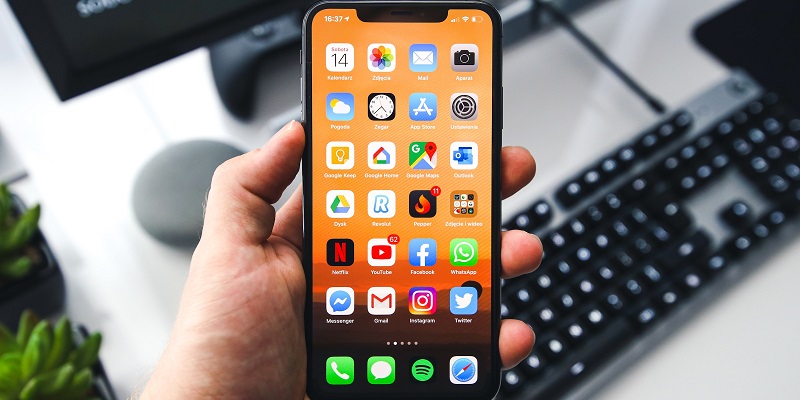
As an avid user of Samsung phones for years, I was firmly in the Android camp. However, after experiencing the seamless communication, superior photo quality, and overall benefits of owning an iPhone, I decided to make the switch. In this article, I’ll be sharing my experience of switching from Samsung to iPhone and why I have no regrets about the decision.
Trade-In: Switching from Samsung to iPhone
The first step in my journey was to trade in my trusty Samsung Galaxy S10 Plus for an iPhone 13 Pro. I admit it was a big decision, but the allure of the software and hardware innovations of an iPhone was too much to resist. And I must say, it was a smooth transition. Apple’s trade-in program made it easy to switch, and I was able to transfer all my important data seamlessly.
Seamless Communication: A Big Advantage of Owning an iPhone
As someone who works on a team where almost all of my colleagues own iPhones, I was always left out of group chats. My Android phone could never offer me a seamless way to communicate with all my friends on the iPhone. But after switching to an iPhone, I could finally integrate with the Apple ecosystem. I could easily share messages, photos, and videos with my team without any limitations.
Sending High-Resolution Files: A Challenge with Android
One of the features I really enjoy on my iPhone is the ability to send high-resolution photos and videos directly between iPhones. Unless you use a third-party app like WhatsApp, there is no easy way to send high-quality media directly between an Android phone and an iPhone. This has always been a challenge, and it’s now a relief to have a hassle-free way of sending media files.
Camera Quality: An Issue with Certain Apps on Android
Another reason why I decided to switch to iPhone was the camera quality. When using apps like TikTok, I was always frustrated with the camera quality on my Android phone. On the iPhone, the camera quality is fantastic and I can take great photos and videos with any app without having to worry about quality degradation.
The Apple Ecosystem: A Reason to Consider Switching to iPhone
As an owner of a MacBook, I decided to take the plunge and jump into the Apple ecosystem completely. I was really excited about the possibilities of the products working together seamlessly, and I have not been disappointed. Whether it’s using AirDrop to share files or syncing my photos from my iPhone to my MacBook, everything has been seamless and straightforward.
Rising Popularity: More People Opting for iPhones
I’m not alone in my decision to switch to the iPhone. A growing number of people are drawn to make the change. This shift can be attributed to the ease of use and the wide range of features offered on the iPhone. And I must say, since I switched, I have not looked back.
Future Updates: Apple Keeps Its Products and Software Enticing
One of the biggest advantages of owning an iPhone is receiving regular updates from Apple. The company continuously evolves and adds new features, and its recent announcement of iOS 15 is a testament to this commitment. The updates keep my devices running smoothly and add new functionalities that I can enjoy.
Dealing with feelings of being a sellout
As someone who was a hardcore Android user, making the switch did come with some guilt and fear of being a “sellout.” But in the end, I realized that ultimately, it is just a phone. I made the decision based on practical reasons and have no regrets.
I switched from Samsung to iPhone, and I must say it was the right decision. The seamless communication, high-resolution file sharing, fantastic camera quality, and the Apple ecosystem work so well together. With the growing popularity of iPhones and Apple’s commitment to continually improving its products and software, I know I made the right choice.
Are you thinking about making the switch to an iPhone? I hope my experience has given you the motivation to make the change. Trust me, you won’t regret it.