

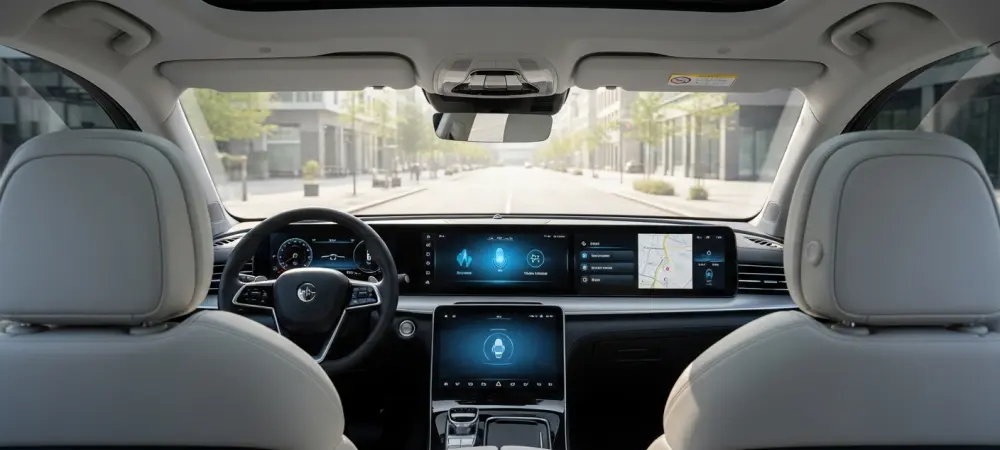
The global automotive landscape is currently undergoing a radical reorganization as manufacturers transition from traditional mechanical engineering to integrated digital ecosystems. Hyundai Motor Group has positioned itself at the forefront of this shift by aggressively integrating advanced artificial intelligence across its entire value chain, moving far beyond simple driver-assistance features. By establishing specialized research hubs like the Boston Dynamics AI Institute and leveraging internal software expertise, the organization is effectively turning vehicles into mobile data centers that learn and adapt in real-time. This comprehensive approach is not merely about staying competitive in a crowded market but rather about redefining the very nature of personal and commercial transportation for the next decade. The initiative encompasses everything from autonomous logistics robots in high-tech manufacturing plants to sophisticated large language models that serve as intuitive interfaces for global consumers.
Smart Manufacturing: The Convergence of Robotics and Intelligence
The implementation of artificial intelligence within the industrial environment has enabled a new level of precision and efficiency in production facilities located in Singapore and Georgia. These smart factories utilize a digital twin architecture that allows engineers to simulate production cycles and identify potential bottlenecks before a single component is moved on the physical floor. Artificial intelligence algorithms analyze massive datasets from thousands of sensors to predict machine failures, thereby reducing downtime and ensuring that the quality of every vehicle remains consistent. This data-driven strategy extends to the deployment of mobile robots and automated guided vehicles that navigate complex factory layouts without human intervention. By merging computer vision with real-time analytics, the manufacturing process has become more agile, allowing for the rapid reconfiguration of assembly lines to accommodate diverse vehicle models and evolving market demands while maintaining rigorous safety standards.
Beyond the assembly line, the integration of Boston Dynamics’ advanced robotics technology is revolutionizing how logistics and safety are managed within heavy industrial zones. The use of specialized quadruped robots equipped with thermal cameras and acoustic sensors allows for autonomous site inspections, detecting gas leaks or overheating equipment in areas that might be hazardous for human workers. These machines process environmental data locally using edge computing, ensuring that critical decisions are made instantaneously to prevent accidents or logistical delays. Furthermore, the collaboration between human operators and collaborative robots has been optimized through AI-driven ergonomic assessments that monitor physical strain and suggest workflow adjustments. This synergy creates a safer workplace while simultaneously boosting throughput by offloading repetitive or physically demanding tasks to intelligent systems. The resulting infrastructure is a testament to how hardware and software transform a legacy industry.
Ultimately, the systematic integration of advanced computing into every aspect of the organization laid the groundwork for a future where mobility became a proactive service. This transformation required a sustained investment in custom silicon and data infrastructure to ensure that the evolving needs of global markets were met with precision. Engineers successfully implemented decentralized processing nodes that allowed for faster decision-making in autonomous systems, significantly enhancing safety protocols across the entire fleet. The transition to a software-centric model enabled the deployment of over-the-air updates that continuously improved vehicle performance and user interaction. Moving forward, the focus shifted toward deepening the integration of quantum computing and sustainable energy management to further optimize the mobility ecosystem. These efforts solidified a position as a leader in the digital era, providing a scalable template for other industrial sectors to follow as they navigate their own technological evolutions.