

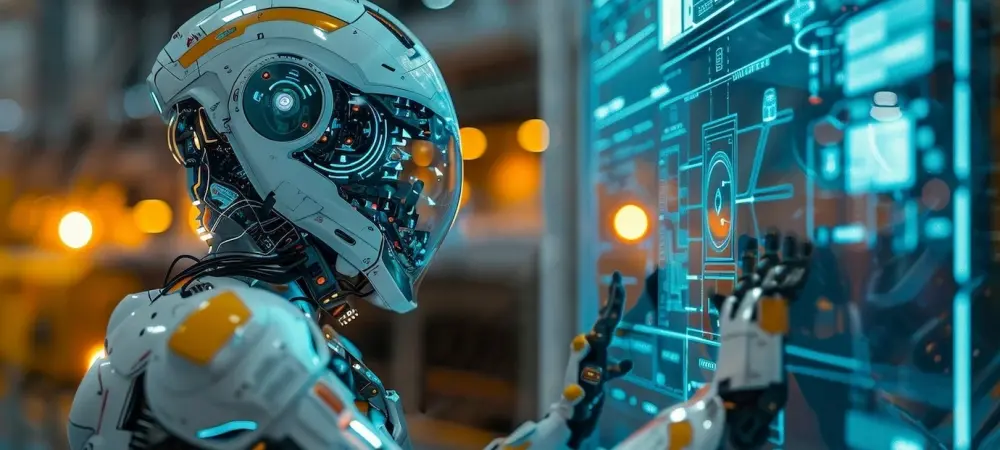
A significant shift is unfolding in the realm of artificial intelligence with Hugging Face’s recent acquisition of Pollen Robotics, marking a pioneering endeavor toward the integration of generative AI with robotics, referred to as physical AI. This bold move capitalizes on the strengths of Hugging Face’s open-source AI software expertise and Pollen Robotics’ open hardware proficiency, aiming to foster innovative solutions in the burgeoning field of robotics. This strategic acquisition, while aligning with global trends where AI is transcending digital constraints to deliver physical solutions, highlights three pivotal components: vertically integrating the AI-to-robotics stack, leveraging Hugging Face’s vast developer community, and taking advantage of the opportune advancements in foundation models for controlling physical systems.
Pollen’s Reachy 2: A Springboard for Innovation
The Role of Pollen’s Proven Platform
At the heart of Hugging Face’s ambitious strategy is Pollen Robotics’ Reachy 2 humanoid robot, a research platform renowned for its capabilities in advanced VR teleoperation and bio-inspired design. This established platform provides Hugging Face with a robust starting point in the robotics sector, circumventing the need for development from scratch. By integrating Reachy 2, Hugging Face can focus on enhancing and expanding existing capabilities rather than solving elementary robotics hurdles, thus accelerating their physical AI initiatives. The collaboration with Nvidia further validates Hugging Face’s platform, particularly with the GR00T N1 humanoid robot foundation models, emphasizing a mutually beneficial partnership that promises to amplify advancements in robotics.
Moving Beyond Traditional AI
Pollen Robotics’ contribution extends beyond the physical mechanics, presenting opportunities to refine AI models that direct robotic applications. This strategy aligns with a broader vision of integrating AI into real-world tasks, transcending digital realms, and creating tangible interactions through robotics. The inclusion of such proven models not only signifies technical robustness but also demonstrates a deliberate approach in merging AI algorithms with physical machinery. By doing so, Hugging Face is set to pioneer a future where AI seamlessly integrates with physical systems, thereby unlocking new potential and applications across various industries. This synergy not only enhances robotic capabilities but also innovates how AI can drive physical, responsive operations in real time.
Merging Minds: The Democratization of Robotics
Open-Source Philosophy Leading the Charge
The acquisition reflects a profound commitment to merging AI with robotics under an open-source philosophy, creating a unique proposition previously unattainable by standalone software or hardware entities. This marriage signifies a potential democratization of robotics similar to the open-sourcing trends in deep learning, potentially igniting a wave of innovation across multiple sectors. By making these tools widely accessible, Hugging Face encourages collaboration and exploration, enabling developers, researchers, and enthusiasts worldwide to contribute and harness the power of physical AI.
Revolutionizing Industry Standards
The amalgamation of Hugging Face’s extensive AI infrastructure with the proven robotics frameworks of Pollen heralds a new era of potential advancements in the field. This confluence is not just a business strategy but a movement toward transforming industry standards, setting a precedent for how AI and robotics can collaboratively reshape the landscape of technology. As the industry gravitates toward more integrated approaches, such developments stand to influence how future systems are designed and implemented. Such initiatives promise to redefine possibilities, offering a glimpse into how collaborative technologies can drive the next wave of innovation and impact societal advancements.
Setting the Stage for the Future
Central to Hugging Face’s visionary approach is the collaboration with Pollen Robotics, utilizing their Reachy 2 humanoid robot to serve as a sophisticated research apparatus known for its excellence in VR teleoperation and its design inspired by biological systems. This collaboration allows Hugging Face to enter the robotics domain with a solid foundation, eliminating the necessity to initiate development from the ground up. By incorporating Reachy 2, Hugging Face shifts its focus to augmenting and extending existing functionalities rather than addressing fundamental challenges in robotics, thus speeding up their progress in physical AI endeavors. Their partnership with Nvidia serves as additional credibility for Hugging Face’s platform, particularly highlighting the GR00T N1 humanoid robot foundation models. This strategic alliance is positioned to significantly advance progress in robotics, underscoring a shared effort that is expected to drive innovation in this dynamic field.