

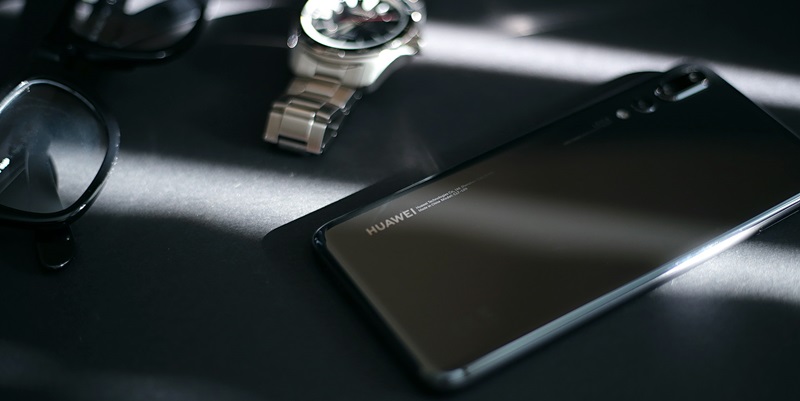
Huawei’s latest marvel in the foldable smartphone arena, the Huawei Pocket 2, has made a grand entrance. This device not only builds upon the success of its predecessor, the P50 Pocket, but also redefines the fusion of top-notch technology with sleek design. The Pocket 2 elevates the user experience with enhanced performance and compactness, while its design exudes luxury appeal that attracts both tech enthusiasts and style-conscious individuals. The new model showcases Huawei’s commitment to leading the foldable smartphone market by marrying advanced technical features with aesthetic grace. Offering a harmonious blend of form and function, the Huawei Pocket 2 sets a new benchmark for what modern-day smartphones can embody, appealing to a demographic that values innovation, style, and premium build quality.
Evolution of Elegance in Foldable Design
Huawei’s Pocket 2 continues the legacy of its predecessor with the distinctive dual-circle layout, intricately combining aesthetics with functionality. Positioned on the rear, this layout integrates an advanced camera system and an auxiliary display, providing users access to key functions and alerts even when the device is folded. This design philosophy exemplifies the perfect balance between convenience and style.
The color palette, boasting Elegant Black, Rococo White, Tahitian Gray, and Taro Purple, is indicative of the device’s premium stature. With a careful selection of materials, including metal and vegan leather, Huawei accents the luxurious quality and appeal, catering to the discerning needs of its users. The Huawei Pocket 2 stands as a beacon of design innovation, shaping the future of how foldable technology meshes with consumer lifestyles.
A Heart of Power: Kirin 9000S Processor
Embedded in the core of Huawei’s Pocket 2 is the high-performance Kirin 9000S chip, a powerhouse that ensures the smartphone operates at peak efficiency. With this chip, users can comfortably navigate through complex applications and indulge in demanding gaming sessions, all thanks to the ample 12GB of RAM that accompanies it for flawless multitasking.
The Huawei Pocket 2 doesn’t just impress with its processing power; it also offers a range of storage capacities to suit various user needs. From a substantial 256GB to an expansive 1TB, these options cater to a broad spectrum of users. Whether one is a casual smartphone user, a creative professional in need of space for multimedia files, or a business user dealing with large documents, the Pocket 2 offers a suitable choice. Its array of storage solutions ensures users can select a model that best fits their lifestyle and usage habits, thereby providing a tailored experience without the need for external compromises.
Next-Generation Displays Adapting to User Needs
Huawei’s focus on superior visual quality shines with the Pocket 2’s dual LTPO OLED display setup that promises a breathtaking and adaptive viewing experience. The main 6.94-inch display, with its variable refresh rate, provides a premium visual experience whether the user is navigating through tasks or engaging in multimedia consumption, ensuring stellar performance that adapts to user interactions.
The innovative secondary cover screen, at 1.15 inches, is designed for efficiency, providing quick access to notifications and vital information with minimal user effort. It also features an adjustable refresh rate to maximize energy efficiency. Together, these displays underline Huawei’s commitment to marrying cutting-edge technology with user-centric innovation in their foldable phone roster.
HarmonyOS 4.0: Intuitive and Customized User Interface
The Huawei Pocket 2 is a foldable marvel, running on the smooth HarmonyOS 4.0 for an interactive and adaptable user experience that blends perfectly with its unique design. The device’s longevity is commendable, not just in terms of battery life, which effortlessly supports a day’s worth of activity, but also through its fast-charging technology, providing quick power-ups for users on the go.
Accommodating active lifestyles, the smartphone’s IPX8 rating is a testament to its resilience, offering protection against water and dust. Whether faced with splashes or dust, users can trust the Huawei Pocket 2’s ability to survive the daily hustle and maintain its sophisticated allure. With these features, the Huawei Pocket 2 stands out as a reliable and stylish partner, ready to tackle the demands of dynamic, modern life with grace and technological finesse.
Photography Prowess with Penta-Camera System
The Huawei Pocket 2’s illustrious penta-camera array stakes its claim in the realm of mobile photography. The primary 50MP sensor, alongside a versatile lineup that includes an ultrawide, telephoto, and hyperspectral sensor, assembles a comprehensive suite for capturing vivid and detailed images in an array of settings and situations.
The concerted emphasis on photographic excellence demonstrates Huawei’s recognition of its significance in the smartphone arena—each snapshot and video call is engineered to deliver clarity and quality, affirming the Pocket 2’s status as a powerhouse for both professional and casual photographers alike.
Debut and Prospects in the Foldable Phone Market
The Huawei Pocket 2 has made a splash in China’s foldable smartphone market with its launch. Priced to show its serious ambitions, Huawei is positioning itself as a leader in the foldable niche, melding high-end appeal with usability. Aiming for a larger slice of the market, the tech giant is betting on its innovative approach to foldables to gain traction and potentially become a trendsetter in the industry.
Watching closely, the world is witnessing Huawei’s steadfast dedication to pushing the envelope with foldable tech. Should their strategy succeed, Huawei could secure a dominant position and influence future developments in the smartphone arena. As Huawei continues on this path, its success could have far-reaching implications for the acceptance and popularity of foldable devices globally.