

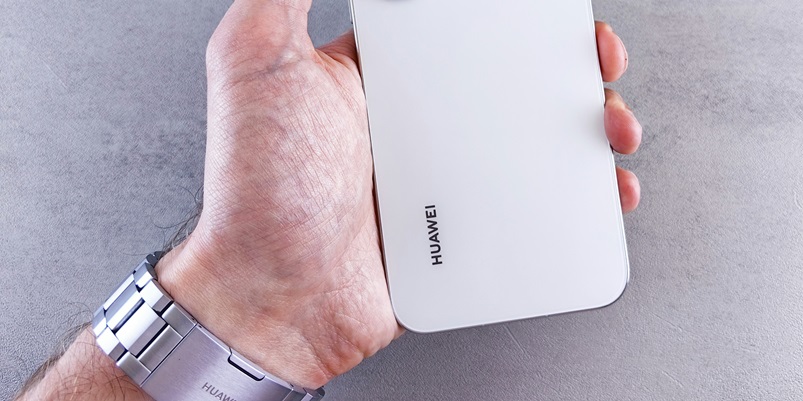
The highly anticipated release of the Huawei Mate 70 smartphone lineup has sparked considerable excitement, with pre-orders now live exclusively in China ahead of the official launch event scheduled for November 26. This new series represents Huawei’s continuing effort to push the envelope in terms of hardware performance and innovation in mobile technology.
The Mate 70 series consists of four models designed to cater to different segments of the smartphone market: the base Mate 70, Mate 70 Pro, Mate 70 Pro+, and the high-end Mate 70 RS Extraordinary Master Edition, also referred to as the Ultimate Edition in English-speaking markets. Each model boasts notable upgrades, especially in terms of memory, storage, and camera capabilities, distinguishing them from previous iterations and competitors.
Impressive Hardware Specifications
Memory and Storage
The performance of the Huawei Mate 70 lineup is underscored by its impressive memory and storage configurations. The Mate 70 and Mate 70 Pro models offer up to 12 GB of RAM and 1 TB of internal storage, catering to users who demand significant multitasking capabilities and ample space for apps, media, and documents. Meanwhile, the Mate 70 Pro+ stands at the pinnacle of the series with an exceptional 16 GB of RAM, offering a level of performance that is rarely seen in the smartphone market.
Such substantial memory options ensure that the devices can handle intensive tasks, from gaming to professional applications, without lag or slowdowns. Complementing this is the Kirin 9100 chipset, which is expected to deliver a smooth and efficient user experience. The choice of HarmonyOS Next, however, marks a significant departure from Android, posing unique challenges and opportunities for the series.
Charging and Battery Life
In today’s fast-paced world, charging speed and battery life are critical factors for smartphone users. The base Mate 70 model supports 66 W fast charging, allowing users to quickly power up their devices and stay connected on-the-go. This is ideal for everyday users who need reliable, rapid access to power throughout their busy schedules.
The higher-end models, including the Mate 70 Pro, Mate 70 Pro+, and the Ultimate Edition, take this a step further with 100 W charging capabilities. This ensures that even for those who use their devices intensively, the downtime required for charging is minimized. Such specifications are particularly attractive for professionals and heavy users who cannot afford to have their productivity hampered by a lack of power.
Advanced Camera Capabilities
Main and Telephoto Cameras
Camera quality remains a focal point for the Mate 70 series, with all models equipped with a 50 MP main camera. This lays a solid foundation for high-resolution photography, ensuring that users can capture detailed and vibrant images irrespective of the lighting conditions. However, where these models differ significantly is in the auxiliary sensors and their telephoto capabilities.
The Mate 70 base model includes a 12 MP telephoto sensor, providing a decent zooming ability without compromising on image quality. In contrast, the Mate 70 Pro enhances this feature with a 50 MP telephoto camera, which is designed to deliver sharper and more detailed zoomed-in shots. This significant upgrade is expected to attract photography enthusiasts and professionals who require advanced camera functionalities.
Infrared and Selfie Cameras
All models in the series are equipped with a 16 MP infrared camera on the back, adding another dimension to the imaging capabilities. This sensor is particularly useful for augmented reality applications and for capturing images in challenging environments where traditional sensors might struggle.
On the front, a 13 MP selfie camera caters to the needs of users who value high-quality front-facing photography. Whether for social media, video calls, or simply capturing special moments, this front camera is designed to deliver clear and detailed images, enhancing the overall attractiveness of the Mate 70 lineup to a broader audience.
Market Prospects and Global Availability
Chinese Market Focus
As pre-orders for the Mate 70 series are currently exclusive to China, it’s clear that Huawei’s initial focus is on securing a strong foothold in its home market. The brand has consistently demonstrated a strong presence in China, where its products are well-received and where it faces less competition on the software front. This strategy enables Huawei to fine-tune its offerings and address any early user feedback before potentially expanding to global markets.
Color options for these models vary, with the Mate 70 available in black, white, green, and purple, while the Pro+ comes in silver, white, black, and blue. The high-end Mate 70 RS Ultimate Edition is offered exclusively in red and black, adding a touch of exclusivity and appeal to more discerning customers. This careful attention to design and customization aligns well with consumer preferences in the Chinese market.
Global Availability and Challenges
Huawei’s strategy of focusing on its home market first allows the company to address early user feedback and optimize the product before a potential global launch. The impressive specs and features of the Mate 70 series are likely to appeal to consumers worldwide. However, the transition away from Android to HarmonyOS will require significant adaptation.
Altogether, these charging enhancements cater to diverse user needs, ensuring that all Mate 70 models meet the demands of both casual users and those with more intensive mobile requirements.