
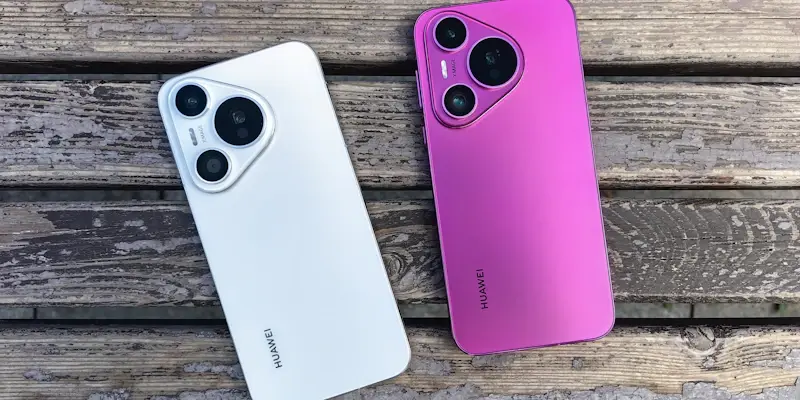
Huawei Pura X: A New Foldable Contender with HarmonyOS 5.0 Unveiled

Article Highlights
Off On

The competitive foldable smartphone market has welcomed the Huawei Pura X, distinguished by its wider form factor compared to devices such as the Galaxy Z Flip6 and Razr 50 Ultra. Engineered for tech enthusiasts, it boasts 16 GB of RAM and up to 1 TB of storage, with prices ranging from $1,250 to $1,685 to suit different budgets. The use of Huawei’s HarmonyOS 5.0 sets it apart from typical Android phones.

Currently available only in China, the Pura X has sparked global interest, with international buyers considering import options. One option for those outside China is Average Dad Tech, which starts worldwide shipping in April. The device’s 16:10 internal aspect ratio differentiates it in a market full of diverse folding designs, following Huawei’s trend of innovation, highlighted in their earlier tri-fold smartphone.

Huawei aims to compete in the high-end market by focusing on unique foldable formats and alternative operating systems. The Pura X aligns with their vision of diverse, competitive tech solutions. This addition suggests a future filled with innovative foldable designs and a more competitive market landscape.

In summary, the Huawei Pura X stands out in the foldable smartphone market, offering advanced hardware paired with Huawei’s HarmonyOS 5.0 for a seamless user experience. With its premium features and unique design, the Pura X is set to challenge existing products and capture the attention of tech enthusiasts globally, signaling a promising future for foldable smartphones fueled by continuous innovation and user-focused designs.

Explore more

AI Redefines Software Engineering as Manual Coding Fades

The rhythmic clacking of mechanical keyboards, once the heartbeat of Silicon Valley innovation, is rapidly being replaced by the silent, instantaneous pulse of automated script generation. For decades, the ability to hand-write complex logic in languages like Python, Java, or C++ served as the ultimate gatekeeper to a world of prestige and high compensation. Today, that gate is being dismantled

Is Writing Code Becoming Obsolete in the Age of AI?

The 3,000-Developer Question: What Happens When the Keyboard Goes Quiet? The rhythmic tapping of mechanical keyboards that once echoed through every software engineering hub has gradually faded into a thoughtful silence as the industry pivots toward autonomous systems. This transformation was the focal point of a recent gathering of over 3,000 developers who sought to define their roles in a

Skills-Based Hiring Ends the Self-Inflicted Talent Crisis

The persistent disconnect between a company’s inability to fill open roles and the record-breaking volume of incoming applications suggests that modern recruitment has become its own worst enemy. While 65% of HR leaders believe the hiring power dynamic has finally shifted back in their favor, a staggering 62% simultaneously claim they are trapped in a persistent talent crisis. This paradox

AI and Gen Z Are Redefining the Entry-Level Job Market

The silent hum of a server rack now performs the tasks once reserved for the bright-eyed college graduate clutching a fresh diploma and a stack of business cards. This mechanical evolution represents a fundamental dismantling of the traditional corporate hierarchy, where the entry-level role served as a primary training ground for future leaders. As of 2026, the concept of “paying

How Can Recruiters Shift From Attraction to Seduction?

The traditional recruitment funnel has transformed into a complex psychological maze where simply posting a vacancy no longer guarantees a single qualified applicant. Talent acquisition teams now face a reality where the once-reliable job boards remain silent, reflecting a fundamental shift in how professionals view career mobility. This quietude signifies the end of a passive era, as the modern talent