

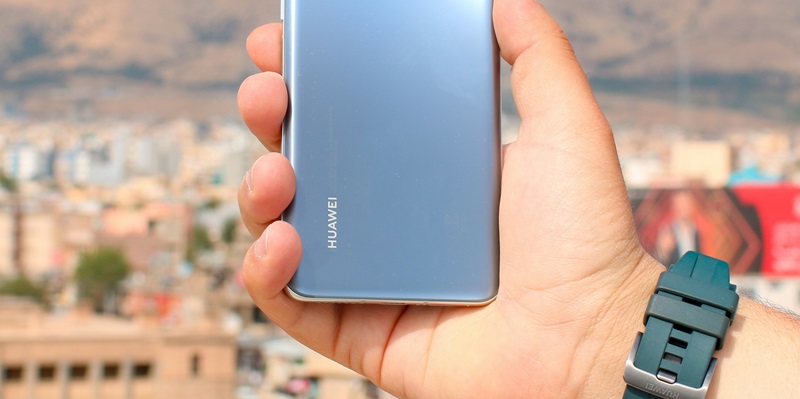
Huawei is set to revolutionize the smartphone realm with the launch of its highly anticipated P70 series, poised to deliver an unparalleled experience. Staying true to its reputation, Huawei integrates cutting-edge camera technology and robust AI capabilities into its new lineup, marking another stride in its journey of innovation. The P70 series is poised to uphold the company’s storied legacy of enhancing mobile photography. As the tech community buzzes with excitement over the rumored advanced camera features, the P70 series could well redefine the standards of mobile photography, much to the delight of shutterbugs and gadget lovers globally. Huawei’s unwavering dedication to pushing technological frontiers is evident as it gears up to unveil a product series that could set new benchmarks in the smartphone industry.
A Leap in Camera Innovation
The centerpiece of the Huawei P70 series is unquestionably its camera. By partnering with Leica, Huawei has consistently delivered industry-leading photographic capabilities, and the P70 series is expected to raise the bar even higher. Envisioned next-generation sensors paired with advanced AI algorithms suggest a superior photography experience, especially in challenging low-light conditions. Users can look forward to capturing moments with exceptional detail, color fidelity, and dynamic range, surpassing previous limits. Real-time AI-driven video editing could emerge as an entirely novel feature—an innovative boon for creators who wish to produce professional-grade content effortlessly.
As well as significant hardware upgrades, the P70’s camera system likely integrates deeply with AI to provide real-time scene recognition and optimizations that adapt to various shooting scenarios. This promises a user-friendly interface that blends technical sophistication with ease of use, all with a few taps on the screen. Whether you’re shooting landscapes or portraits, night scenes or action shots, the Huawei P70 series aims to deliver consistent quality and unparalleled creativity, fitting perfectly within the lifestyle of modern-day phone users desiring top-tier photographic prowess in a sleek, portable package.
Next-Level AI and Performance
Expected to stand out in performance, the Huawei P70 series is powered by the latest Kirin chipsets, renowned for their AI prowess. These processors not only enhance the phone’s photography capabilities but also learn from user habits, ensuring optimal battery usage, app management, and personalized interactions. It’s a device designed to evolve, becoming increasingly user-centric over time.
AI’s role extends to augmented and mixed reality features, promising a seamless blend of the real and digital realms. Whether it’s for gaming, AR-guided navigation, or virtual interactions, the P70 aims to offer a uniquely immersive experience. With its AI adaptability, the Huawei P70 series is poised to redefine the smart in smartphones, ensuring a tailored experience in a fiercely competitive market.