

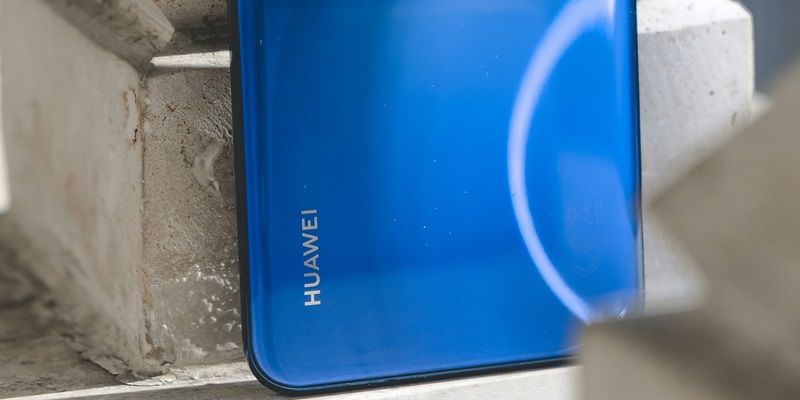
The mobile tech world is abuzz as Huawei prepares to unveil its P70 series, a set of flagship phones that could revolutionize current standards. Tantalizing strategic leaks suggest these devices will be powered by the Kirin 9 5G chip, a powerhouse promising unprecedented performance in terms of speed and connectivity for all P70 models. This lineup looks to not only enhance the user experience but also significantly extend battery life, a coveted feature amongst smartphone enthusiasts. Furthermore, the P70 series is expected to boast state-of-the-art wireless charging tech, pushing the boundaries of convenience and efficiency in premium smartphone offerings. Eager anticipation surrounds these innovations, suggesting that Huawei’s new line could redefine the upper echelons of the mobile market. With these advancements, the P70 series is positioned to challenge existing paradigms and emerge as a benchmark for luxury smartphones.
Cutting-Edge Camera Systems
The camera technology in the P70 series is expected to be exceptional, with a 50MP main rear camera serving as a standard across the lineup. While the details are scarce, the differentiation among the P70/Pro and P70 Art models seems to revolve primarily around the camera configurations. Variations in aperture sizes and the presence of periscope lenses will cater to both casual photographers and serious shutterbugs. The potential inclusion of an overclocked Kirin 9000s processor in the higher-end variants could offer an additional performance boost, further enhancing the photo and video capturing experience. The camera setups are rumored to support features such as improved low-light performance and advanced stabilization, which will help set these smartphones apart from their competitors.
Satellite Communication: A New Frontier
The upcoming Huawei P70 series is generating buzz for its potential to revolutionize mobile connectivity by incorporating satellite communication technology. While exact details are scant, the ability to utilize satellites for messaging and calls is poised to be a crucial feature, offering users a global connection even in the most isolated areas or during crises. This development could catapult Huawei to the forefront of a burgeoning segment that moves beyond standard cellular networks. There are whispers about which of the P70 models will be equipped with full satellite interaction, hinting that it might be reserved for the more premium versions in the lineup. With the P70 series, Huawei is clearly striving to redefine mobile communication, ensuring that users stay linked to the network wherever they find themselves on the globe. This cutting-edge functionality represents an exciting advancement in smartphone technology, potentially setting a new standard for staying in touch.