

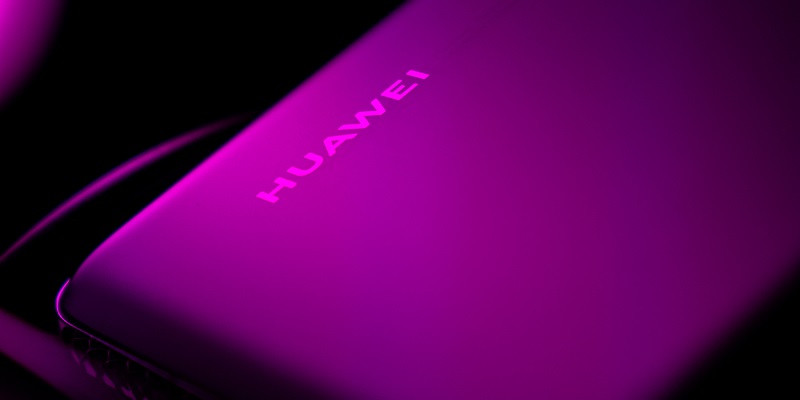
The Huawei P20 marks the start of a new era in smartphone technology with its official release date. With cutting-edge features and a focus on photography, Huawei has set a new standard in the industry.
Innovative Photography
Huawei sets a new standard for smartphone photography with the P20’s Leica triple camera system. This system combines a 40MP RGB sensor, a 20MP monochrome sensor, and an 8MP telephoto sensor, enabling users to capture stunningly detailed photos with vibrant colors and exceptional clarity. The collaboration with Leica, a renowned camera manufacturer, ensures professional-grade image quality.
Stunning Design
The Huawei P20 boasts a sleek and eye-catching design that is sure to turn heads. With a glass back panel and a metal frame, the device exudes a premium feel. The curved edges and slim profile make it comfortable to hold and use. Furthermore, the choice of colors, such as Twilight and Midnight Blue, adds a touch of elegance and sophistication.
Impressive Display
The standout feature of the Huawei P20 is its display. The 5.8-inch Full HD+ LCD screen provides sharp and vibrant visuals with excellent color reproduction. The slim bezels and notch design maximize the screen real estate, offering an immersive viewing experience. Whether you’re enjoying a movie or browsing photos, the display delivers crisp and detailed content.
Game-changing Camera
Co-engineered with Leica, the Huawei P20 camera is a true game-changer in smartphone photography. The triple camera system excels in various shooting scenarios, from landscape photography to portrait shots. With AI-powered scene recognition, the P20 identifies different subjects and adjusts the camera settings accordingly, resulting in stunning images with minimal effort.
Exceptional Low-light Photography
The Huawei P20 excels at capturing stunning photos even in challenging lighting conditions. The device features a night mode that enhances low-light photography, reducing noise, and improving image quality. Whether you’re capturing cityscapes at night or snapping photos in dimly lit environments, the P20 delivers impressive results, allowing you to preserve precious memories even in difficult lighting situations.
Impressive Performance
The Huawei P20 is equipped with the powerful Kirin 970 chipset, driving its exceptional performance. Whether you’re multitasking, gaming, or running intensive applications, the device operates smoothly without any lag. The Kirin 970 also incorporates AI capabilities, optimizing performance and enhancing the user experience.
Good Value for Money
The Huawei P20 offers a great balance between premium features and affordability. As a flagship device, it incorporates high-end specifications and cutting-edge technology, rivaling other top-tier smartphones on the market. However, unlike many competitors, the P20 comes at a relatively more affordable price point, making it an attractive option for those seeking flagship-level performance without breaking the bank.
Long-lasting Battery Life
With its impressive battery life, the Huawei P20 keeps you connected and entertained without interruption. The device is equipped with a 3400mAh battery, which provides all-day usage even for heavy users. Additionally, the device supports Huawei’s fast charging technology, allowing you to quickly recharge and get back to using your smartphone.
The Huawei P20 combines style, performance, and innovation in one remarkable smartphone package. With its Leica triple camera system, stunning design, impressive display, and exceptional performance, the P20 redefines what users can expect from a smartphone. Moreover, the device’s affordability and long-lasting battery life make it a compelling choice for both tech enthusiasts and everyday users. The Huawei P20 marks a new era in smartphone technology and solidifies Huawei’s position as a leader in the industry.