
How Will Windows 11’s Start Menu Companions Impact Users?

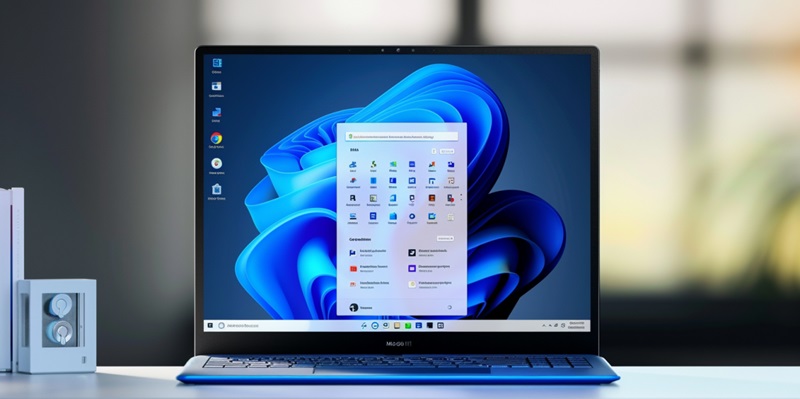
The introduction of Start Menu Companions in Windows 11 marks a bold new step in Microsoft’s ongoing evolution of its flagship operating system. Aimed at enhancing user interactivity and information accessibility, these companions expand the functionality of the Start Menu beyond mere app launching. By offering a panel for widgets and potentially third-party plugins, Microsoft is betting on users’ desire for a more personalized and informative dashboard.

However, the impact of these Companions on user experience has both promising and cautious projections. On one hand, they herald a return to the convenience of Live Tiles and Widgets, providing at-a-glance information such as weather updates, stock prices, and more. Microsoft’s attention to user preference by allowing the positioning of these companions is also commendable, potentially appeasing those critical of the previously center-aligned Start Menu.

Potential Outcomes for User Engagement

The future of Start Menu Companions hinges on their implementation. If executed well with diverse third-party plugins, these companions could revolutionize the Start Menu, turning it into a dynamic and customizable hub for various user needs. Such innovation could significantly boost user engagement with the Start Menu, reimagining its role on the desktop.

However, Microsoft must be wary of the obstacles that lie ahead. The lukewarm reception of Windows 11’s Widgets serves as a cautionary tale. Start Menu Companions risk being viewed as needless or annoying if not integrated smoothly. Poor performance or complicated customization could see users rejecting them as mere aesthetic enhancements instead of practical tools.

To prevent this, Microsoft has to perfect the companions to be user-friendly and beneficial. Such strategic refinement could secure the companions’ place as a valued enhancement to the digital user experience.

Explore more

Jenacie AI Debuts Automated Trading With 80% Returns

We’re joined by Nikolai Braiden, a distinguished FinTech expert and an early advocate for blockchain technology. With a deep understanding of how technology is reshaping digital finance, he provides invaluable insight into the innovations driving the industry forward. Today, our conversation will explore the profound shift from manual labor to full automation in financial trading. We’ll delve into the mechanics

Chronic Care Management Retains Your Best Talent

With decades of experience helping organizations navigate change through technology, HRTech expert Ling-yi Tsai offers a crucial perspective on one of today’s most pressing workplace challenges: the hidden costs of chronic illness. As companies grapple with retention and productivity, Tsai’s insights reveal how integrated health benefits are no longer a perk, but a strategic imperative. In our conversation, we explore

DianaHR Launches Autonomous AI for Employee Onboarding

With decades of experience helping organizations navigate change through technology, HRTech expert Ling-Yi Tsai is at the forefront of the AI revolution in human resources. Today, she joins us to discuss a groundbreaking development from DianaHR: a production-grade AI agent that automates the entire employee onboarding process. We’ll explore how this agent “thinks,” the synergy between AI and human specialists,

Is Your Agency Ready for AI and Global SEO?

Today we’re speaking with Aisha Amaira, a leading MarTech expert who specializes in the intricate dance between technology, marketing, and global strategy. With a deep background in CRM technology and customer data platforms, she has a unique vantage point on how innovation shapes customer insights. We’ll be exploring a significant recent acquisition in the SEO world, dissecting what it means

Trend Analysis: BNPL for Essential Spending

The persistent mismatch between rigid bill due dates and the often-variable cadence of personal income has long been a source of financial stress for households, creating a gap that innovative financial tools are now rushing to fill. Among the most prominent of these is Buy Now, Pay Later (BNPL), a payment model once synonymous with discretionary purchases like electronics and