

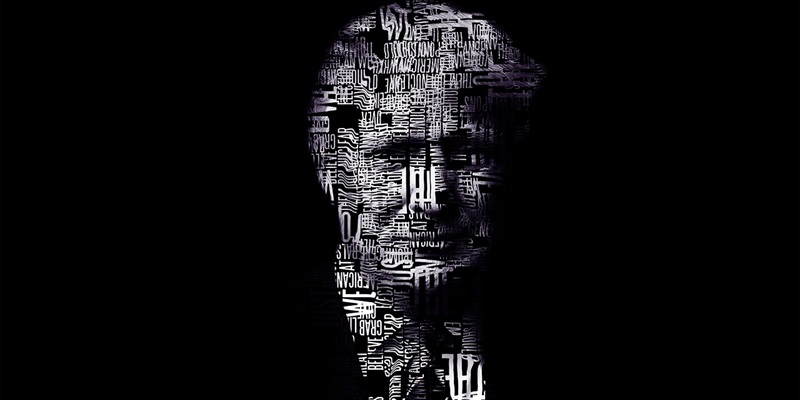
As Donald Trump gears up for a potential return to the presidency in 2024, significant shifts are expected in the United States’ approach to Artificial Intelligence (AI) policy. His tenure is poised to be marked by a continued push for deregulation and fostering innovation, echoing the objectives outlined in the American AI Initiative. This strategic move aims to enhance U.S. leadership in AI across vital sectors, including defense, health, and the economy. Trump’s inclination towards minimalist governance could, on one hand, expedite innovation due to fewer regulatory barriers. However, this could also pose risks to the public, with challenges such as privacy concerns, algorithmic bias, and job displacement becoming more prominent.
National Security Boost Through AI
AI-Driven Defense Technologies
A key focus of Trump’s AI policy is on bolstering national security by leveraging AI-driven defense technologies. The United States has always been keen to maintain its edge over global adversaries, particularly China. Under Trump’s governance, the administration is likely to greatly prioritize advancements in AI for military applications, including autonomous systems, intelligence analysis, and cyber-defense. These advancements are designed to not only enhance the military’s operational efficiency but also to ensure that the United States retains its technological supremacy.
Strategic measures, such as imposing strict regulations on foreign investments in critical technology sectors, will be implemented to safeguard national interests. By restricting adversaries’ access to U.S. technological innovations, the Trump administration aims to ensure that sensitive advancements do not fall into the wrong hands. This protective stance is expected to create a more insular technological environment where domestic innovations can thrive without the fear of espionage or intellectual property theft.
Reskilling the American Workforce
As AI and automation threaten to displace jobs, particularly in sectors reliant on routine tasks, Trump’s policies will inevitably need to address the impact of these technological advancements on the workforce. Job displacement could lead to significant economic and social challenges, necessitating proactive measures to balance technological progress with workforce stability. It’s anticipated that Trump will support reskilling and upskilling programs, which are vital to helping displaced workers transition to new roles in the evolving job market.
While the specifics of these reskilling policies remain somewhat uncertain, the necessity for them is clear. With a growing emphasis on AI and automation, there is a critical need to prepare the American workforce for the changing landscape. These programs could potentially include partnerships with private sector companies, educational institutions, and vocational training organizations to ensure that workers have access to the necessary resources to foster their career growth and adaptability in an AI-driven economy.
Ethical and Privacy Concerns
Minimal Oversight and Innovation
Trump’s administration is likely to maintain a preference for minimal oversight in the AI sector, fostering an environment where innovation can flourish relatively unrestrained. While this approach might stimulate rapid growth and development, it carries inherent risks. Issues such as data privacy, algorithmic transparency, and ethical standards could be compromised. The administration’s laissez-faire attitude might leave citizens vulnerable to abuses of power and exploitation by unscrupulous entities.
The fine balance between regulation and innovation remains a contentious debate. On one hand, minimal oversight could lead to groundbreaking AI advancements that position the U.S. as a leader in the field. On the other, the lack of stringent regulations could mean that ethical considerations take a backseat, potentially leading to public distrust and misuse of technology. This necessitates a robust dialogue among policymakers, industry leaders, and the public to ensure that while AI advances, it does so in a manner that respects individual privacy and ethical norms.
Balancing Growth and Protection
As Donald Trump prepares for a potential 2024 run for the presidency, notable changes in the United States’ approach to Artificial Intelligence (AI) policy are anticipated. If Trump returns to the Oval Office, his administration is expected to continue pushing for deregulation and innovation, aligning with the goals of the American AI Initiative. This strategy aims to bolster U.S. leadership in AI across critical areas like defense, healthcare, and the economy. Trump’s preference for limited government intervention might accelerate technological advancements by reducing regulatory hurdles. However, this could also increase risks to the public, as issues such as privacy concerns, algorithmic biases, and job displacement may become more pronounced. Balancing rapid innovation with ethical considerations and protection of civil liberties will be crucial. Addressing these challenges while maximizing AI’s potential will be a key focus if Trump wins in 2024, potentially reshaping the landscape of AI policy in America.