

The mobile industry stands at a critical juncture where the definition of a flagship device is no longer bound by a single standard, as evidenced by the bold moves being made by major manufacturers to redefine user expectations through diverse hardware configurations. With the recent debut of the Indian variants of the X300 Ultra and FE models, Vivo is now pivoting toward a more ambitious strategy for its next generation of premium smartphones. The upcoming X500 series appears to be a sophisticated recalibration of the brand’s identity, moving away from a traditional two-model launch cycle in favor of a comprehensive three-tier ecosystem. By introducing the X500, the X500 Pro, and the newly conceived X500 Pro Max, the company is signaling a clear intent to capture specific consumer niches that have historically been underserved by generic flagship releases. This expansion reflects a broader industry trend toward meticulous market segmentation where hardware is tuned for specific ergonomic and performance demands rather than a one-size-fits-all philosophy.
Revolutionary Shifts in Display Dimensions and Ergonomics
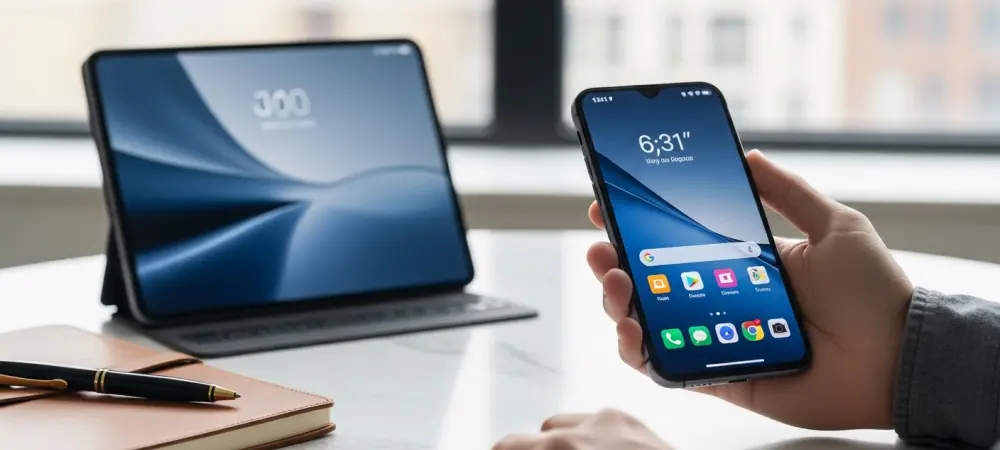
Internal reports and reputable industry leaks suggest that the most radical change in the forthcoming series involves a complete reversal of traditional display sizing. While previous iterations positioned the standard model as the compact entry, the X500 is slated to feature a significantly larger 6.59-inch panel, providing a broader canvas for media consumption and gaming. Meanwhile, the X500 Pro is rumored to undergo a surprising reduction in size to a 6.31-inch display, a move that targets the growing demographic of power users who demand top-tier specifications in a more manageable and ergonomic form factor. This deliberate shrink for the Pro model addresses a common criticism regarding the bulk of modern high-end devices. By offering a smaller Pro variant, the manufacturer is effectively challenging the notion that a more powerful device must inherently be larger, thereby carving out a unique space in a market saturated with oversized handsets that often prioritize screen real estate over daily usability. To ensure that enthusiasts who prioritize maximum screen real estate are not left behind, the brand is introducing the X500 Pro Max with a substantial 6.85-inch display. This new flagship variant serves as the ultimate expression of the series, effectively replacing the 6.78-inch panel size that served as the standard in the X300 Pro. This shift indicates a definitive departure from previous design constraints, allowing for a more logical progression across the lineup. The decision to abandon the mid-sized 6.78-inch standard suggests that consumer preferences have polarized toward either truly compact devices or massive productivity-focused displays. This strategic adjustment ensures that each model in the lineup has a distinct physical identity, preventing internal competition and providing consumers with clear choices based on their personal handling preferences. This structural change is likely to force competitors to re-evaluate their own sizing strategies to maintain relevance in an increasingly specialized premium smartphone landscape.
Performance Differentiation and Strategic Market Positioning
Beyond the physical changes, the internal architecture of the series is set to undergo a similar transformation to create clearer performance boundaries between tiers. While current models like the X300 and X300 Pro utilized the same MediaTek Dimensity 9500 chipset, the next-generation series is expected to introduce hardware differentiation to justify the price gaps. The base X500 model will likely be powered by the standard MediaTek Dimensity 9600, providing excellent efficiency and speed for everyday flagship tasks. In contrast, both the Pro and Pro Max variants are rumored to feature a more robust Dimensity 9600 Pro variant, offering enhanced graphical processing and improved artificial intelligence capabilities. This tiered approach to processing power reflects a more mature product roadmap where the “Pro” moniker signifies not just a better camera or screen, but a fundamental leap in raw computational potential. By diversifying the silicon across the range, the company can optimize thermal management and battery life specifically for the different chassis sizes and target user behaviors. The strategic realignment of the flagship lineup suggested a proactive effort to dominate the premium sector by catering to the specific nuances of user ergonomics and processing requirements. Instead of adhering to traditional industry norms, the manufacturer focused on delivering tailored experiences that prioritized functional diversity over uniform design. For consumers and industry observers, the takeaway from this development remained clear: the era of the monolithic flagship ended, replaced by a more fragmented but consumer-centric approach to mobile technology. Moving forward, buyers should have carefully evaluated their daily usage patterns to decide whether they valued the compact power of the smaller Pro model or the expansive immersive experience of the Pro Max. For the broader market, this shift necessitated a deeper focus on ergonomic innovation and chipset optimization to keep pace with these refined standards. As these devices entered the hands of users, they effectively reshaped expectations for what a comprehensive smartphone family could achieve.