

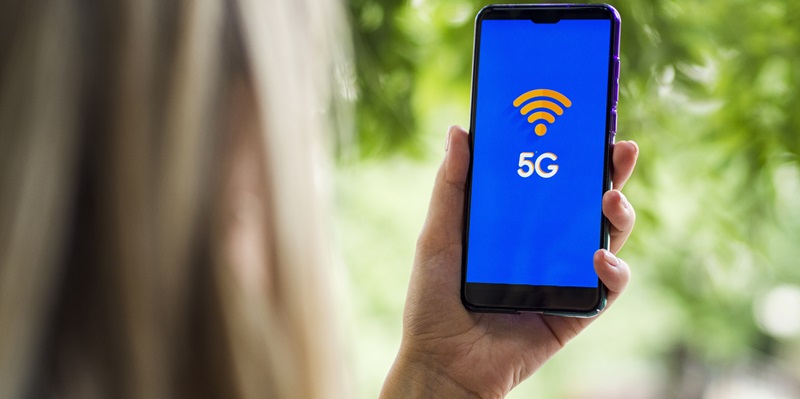
The closure of the 3G network is a significant shift in the telecommunications landscape, impacting many users who have relied on this technology for years. As the industry moves towards more advanced 4G and 5G networks, understanding the implications of this transition is crucial for maintaining seamless mobile connectivity. Many customers might find themselves suddenly without proper access to 4G or 5G, especially in areas where 3G was previously accessible. This transition necessitates both an upgrade in devices and a shift in how users approach their mobile connectivity solutions. This article delves into the key issues arising from the 3G shutdown, the common challenges faced by users, and practical solutions to ensure a smooth transition.
Device Compatibility Issues
One of the primary challenges users face with the 3G shutdown is device compatibility. Many customers still use older devices that only support 3G, such as the 3G Blue Tick device or the 3G Telstra Go repeater. These devices will no longer function properly once the 3G network is decommissioned. Upgrading to 4G or 5G-enabled devices is essential to maintain connectivity. Newer devices not only support advanced networks but also come with enhanced features like faster processors, more efficient antennas, and longer-lasting batteries, which contribute to a better overall user experience.
For those with devices that support both 3G and 4G, it is crucial to ensure that 4G is enabled in the device settings. Often, users may overlook these settings, leading to connectivity issues. Checking and adjusting these settings can help users access the 4G network more effectively. Additionally, upgrading to a device that is designed to operate seamlessly on 4G and 5G networks can prevent future disruptions. It is important to remember that the decommissioning of 3G is a clear sign that older technology is being phased out, and staying updated with compatible devices will guarantee continuous connectivity.
Impact of International Devices
Another common issue arises with devices purchased overseas or refurbished international models. These devices may not be optimized for the primary mobile network frequency (700MHz) used locally. As a result, users may experience diminished coverage and inconsistent performance. It is important to verify that your device is compatible with local network frequencies to avoid connectivity problems. When users purchase international devices without checking their compatibility with local networks, they often find themselves facing connectivity issues that were not present when using 3G networks.
Upgrading to a locally compatible device can significantly improve network performance. Newer 4G or 5G devices are designed to work efficiently with local networks, ensuring stable connections and faster internet speeds. This upgrade is particularly beneficial for users who frequently experience connectivity issues with international devices. Ensuring that one’s device is optimized for the local network not only improves service reliability but also enhances the quality of service, providing a smoother and faster mobile experience. Regularly checking for device compatibility updates through service providers can also preempt issues and keep mobile devices functioning optimally.
Importance of Device Placement
Device placement plays a crucial role in maintaining strong signal strength, especially in areas with marginal coverage. Users who previously relied on 3G devices may need to adjust the placement of their new 4G or 5G devices to ensure optimal network access. For instance, positioning the device above the vehicle dashboard or using an external antenna can enhance signal reception. Often overlooked, the physical position of a mobile device can significantly impact its performance, particularly in less densely covered regions.
Maintaining the same mounting spot as used for a 3G device can also help. This is particularly important for users in rural or remote areas where network coverage may be less robust. Proper device placement can make a significant difference in signal strength and overall connectivity. By strategically positioning the device, users can maximize signal strength and improve their connectivity experience despite being in marginal areas. Additionally, using signal boosters or repeaters can further enhance the effectiveness of 4G and 5G signals, providing a more reliable connection even in challenging environments.
Geographical Coverage Differences
The transition from 3G to 4G or 5G networks may result in changes to geographical coverage. Some users might have accessed the 3G network outside the advertised coverage footprint, benefiting from the broader, though less robust, signal spread of 3G. These areas were not depicted in coverage maps due to factors like changes in customer use, local vegetation, new buildings, and network adjustments. As a result, users might find themselves without coverage in places they previously experienced seamless 3G connectivity, emphasizing the need for adaptation and new strategies.
Moving to 4G or 5G could result in reduced or no coverage in these places unless network extenders like Blue Tick devices and Telstra Go Repeaters are utilized. These devices can help extend the reach of the network, ensuring that users in marginal areas continue to receive reliable service. By leveraging these extenders, users can mitigate the gaps in coverage that might arise from the transition to higher bandwidth networks. Understanding the specifics of geographical coverage and adjusting accordingly will be crucial for maintaining seamless connectivity during this period of change.
Misleading Signal Bars
Signal bars on devices can be misleading, as there are no universal standards for displaying signal strength. Different devices may show varying signal strength bars despite the same signal level. Additionally, 4G is engineered to work efficiently at lower signal levels compared to 3G, which may show fewer bars even when performing well or better. Understanding this nuance can help alleviate concerns over perceived signal strength, which does not always correlate directly with network performance.
Recognizing this can help users avoid unnecessary concerns about signal strength. It is important to focus on the actual performance of the network rather than the number of signal bars displayed on the device. This awareness can enhance user experience and reduce frustration. Often, network performance remains stable and strong even when signal bars are lower, a testament to the improved efficiency of newer network standards. Users should trust in the capabilities of 4G and 5G to maintain quality connections even with varying signal bar representations.
Practical Solutions and Support
The shutdown of the 3G network marks a major shift in the telecommunications industry, impacting numerous users who have depended on this technology for years. As the move toward more advanced 4G and 5G networks accelerates, it’s crucial to grasp the implications of this change to ensure continued mobile connectivity. Many customers may suddenly find themselves without adequate access to 4G or 5G, particularly in regions where 3G was the primary option. This shift not only requires an upgrade in devices but also a change in how users handle their mobile connectivity needs. Transitioning from 3G to newer networks brings several issues, such as device incompatibility, potentially higher costs, and concerns about coverage. Users must adapt by either upgrading their devices or exploring alternative solutions. This article explores the primary issues stemming from the 3G shutdown, the common challenges users encounter, and practical strategies to facilitate a smooth transition for all affected individuals.